Leave Your Message

China Best Rare Earth Magnet Recycling Suppliers?

China has become a major base for rare earth magnet recovery, especially for neodymium-iron-boron magnets. Yet choosing the best supplier requires more than comparing price lists. Reliable evaluation should examine collection capacity, separation technology, recovery data, and environmental controls. This introduction explores leading Chinese suppliers in the Rare Earth Magnet Recycling industry and explains how buyers can assess their real capabilities.

Professor Markus A. Reuter, a respected metallurgical engineer and recycling researcher, has stated, “Waste does not exist; it is a resource in the wrong place.” His view reflects the practical value of discarded motors, hard-drive magnets, speakers, and factory grinding dust. Experienced suppliers should show how they sort materials, remove coatings, demagnetize components, and recover valuable elements such as neodymium and dysprosium. Clear records matter. So do laboratory results.

Look beyond polished websites.

A dependable supplier should provide batch traceability, sample testing, safety documentation, and realistic recovery figures. Certifications such as ISO 9001 or ISO 14001 can support confidence, but they should not replace independent verification. Site visits, third-party assays, and small pilot orders may reveal weaknesses hidden by marketing language. No supplier is perfect. Some companies have advanced equipment but limited export experience. Others offer strong logistics but depend on outside processors.

The following guide compares China-based suppliers through technical expertise, processing consistency, communication, and responsible operations. It also recognizes an uncomfortable point: recovery rates may vary with magnet composition, contamination, and feedstock quality. A fair assessment must include those uncertainties. That is where professional judgment becomes essential.
China Best Rare Earth Magnet Recycling Suppliers?

What Are Rare Earth Magnets and Why Should They Be Recycled?

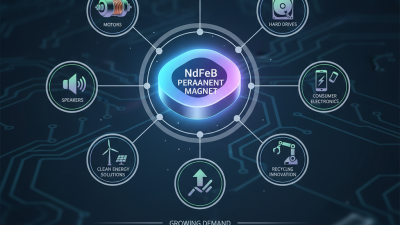
Rare earth magnets are compact, powerful permanent magnets made mainly from neodymium, iron, and boron, or samarium and cobalt. Their strength comes from a carefully engineered crystal structure, not their size. You may find them in hard drives, electric motors, speakers, sensors, and some medical devices. A small silver-coated block can lift far more than expected. That convenience creates a disposal problem. When devices are discarded, valuable magnet material can disappear into mixed metal waste.

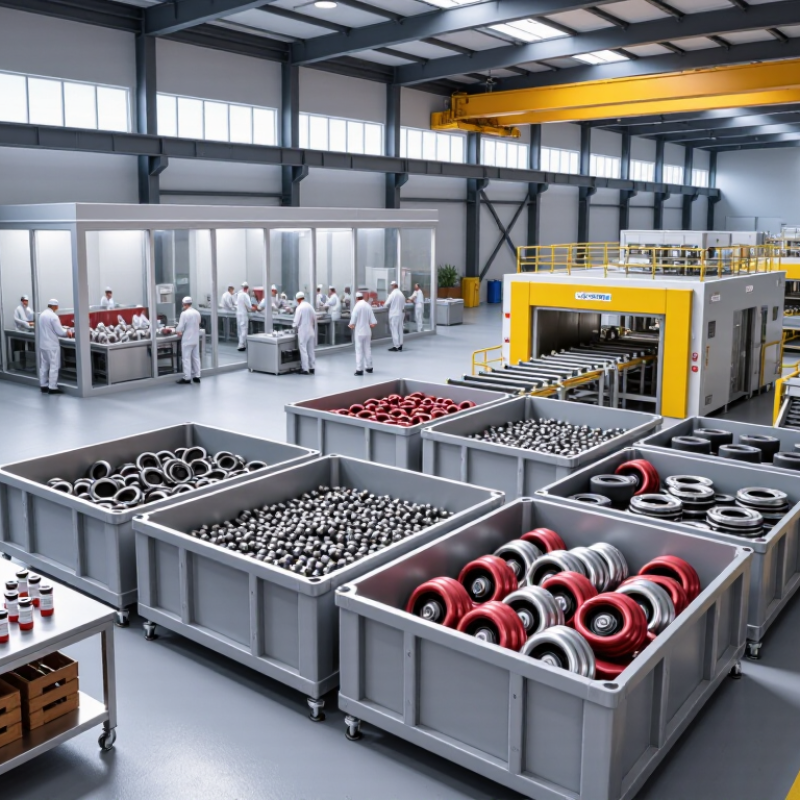
Recycling matters because rare earth extraction requires energy, land, water, and careful chemical processing. Recovering magnets can reduce pressure on new mining and preserve materials already in circulation. The practical route begins with sorting, safe disassembly, demagnetization, and removal of coatings or attached metals. Specialized recyclers may then reuse intact magnets or process them into separated rare earth compounds. Clean feedstock matters. A magnet mixed with oil, plastic, or steel takes more effort to recover. Reliable suppliers should provide traceable handling records, testing data, and clear acceptance criteria.

From a buyer’s perspective, ask how magnets are collected, graded, stored, and measured before shipment. Look for documented composition analysis and contamination controls, not impressive claims alone. A useful supplier can explain recovery yields without hiding normal losses. Perfect recovery is unrealistic. Some designs are glued, corroded, or too small for economical separation. That limitation deserves honest discussion, because recycling plans often fail when every magnet is treated as equally recoverable.

How Does Rare Earth Magnet Recycling Work in China?

How Does Rare Earth Magnet Recycling Work in China?

China’s rare earth magnet recycling system begins with collection and sorting. Used magnets come from electric motors, wind turbines, hard drives, speakers, and factory scrap. Workers identify magnet grades, remove steel housings, and separate contaminated parts. The International Energy Agency reported that China supplied about 90% of global refined rare earth materials and over 90% of permanent magnets in 2023. This concentration supports large-scale recycling infrastructure, but it also creates pressure to manage waste responsibly.

The magnets are usually demagnetized before processing. Some facilities use controlled heating, while others apply hydrogen decrepitation. Hydrogen enters the alloy and breaks it into a brittle powder. This powder can support direct magnet regeneration, reducing several chemical steps. Alternative plants dissolve the material with acids, then separate neodymium, praseodymium, dysprosium, and terbium through solvent extraction or precipitation. Industry studies commonly report recovery rates above 90% for selected, clean feedstock, though mixed waste performs less consistently. The process is not perfectly closed-loop. Coatings, adhesives, oil, and oxidation can lower yield. China’s recycling suppliers therefore rely on laboratory testing, traceable sampling, and strict wastewater controls. A practical weakness remains: small magnets are still difficult to collect economically. Better product design and standardized dismantling could improve this chain. Industry reports from the China Rare Earth Industry Association and the IEA support continued investment in these methods.

China Rare Earth Magnet Recycling: Typical NdFeB Magnet Composition

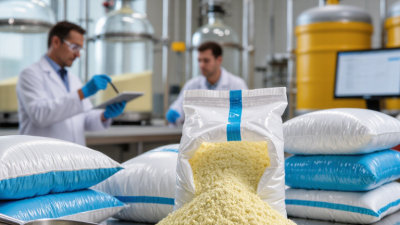
A typical sintered NdFeB magnet contains approximately 68% iron, 30% neodymium, 1% boron, and about 1% other rare-earth elements such as dysprosium or terbium. In China, recycling commonly involves collection and demagnetization, hydrogen decrepitation or mechanical processing, followed by hydrometallurgical separation to recover neodymium, praseodymium, dysprosium, and other valuable materials.

What Criteria Define the Best Chinese Recycling Suppliers?

The best Chinese rare earth magnet recycling suppliers should prove performance with records, not promises. The IEA’s Global Critical Minerals Outlook 2024 reports that China handles about 91% of refined magnet rare earth production. This concentration makes supplier selection especially important. Buyers should request documented experience with neodymium-iron-boron magnets, including coated scrap, mixed grades, and production residues. A capable recycler can show monthly input volumes, recovery rates, laboratory assays, and contamination controls.

Traceability is a practical test. Each shipment should have weight records, origin details, sampling procedures, and certificates for neodymium, praseodymium, dysprosium, and terbium. Independent testing matters. USGS Mineral Commodity Summaries 2025 estimated China’s 2024 rare earth mine production at 270,000 metric tons, while global production reached about 390,000 tons. Recycling suppliers should explain how secondary material supports supply without confusing mined and recovered content.

Environmental controls define serious operators. Look for closed-loop water systems, documented residue treatment, energy monitoring, and external audits such as ISO 14001 verification. Ask to inspect the sorting line. Magnets should not disappear into an unexplained black box. A supplier may report a 95% recovery rate, but the figure needs a clear basis: mass recovery, individual element recovery, or payable product output. This distinction is easy to miss. Perfect data is rare, and some reports remain inconsistent. Therefore, the strongest suppliers disclose limitations, retest disputed batches, and provide corrective-action records instead of hiding weak results.

China Best Rare Earth Magnet Recycling Suppliers? - What Criteria Define the Best Chinese Recycling Suppliers?

Evaluation Dimension What the Best Suppliers Should Demonstrate Indicative Technical Benchmark Verification Documents or Data Importance
Feedstock Acceptance Ability to handle sintered NdFeB magnets, production scrap, machining swarf, coated magnets, and end-of-life assemblies through a documented sorting system. Separate magnetic material from steel, aluminum, copper, plastics, adhesives, and electronic components before processing. Accepted-material list, incoming inspection procedure, photographs of sorting lines, and representative feedstock analysis. High
Rare-Earth Recovery Performance A measurable process for recovering neodymium, praseodymium, dysprosium, and terbium where present, rather than only recovering bulk iron-bearing residues. Qualified hydrometallurgical or combined processes commonly target documented rare-earth recoveries in the approximate 90–98% range, depending on feedstock and process route. Third-party assay reports, mass-balance records, batch recovery results, and clearly defined calculation methods. Critical
Process Technology Use of an appropriate combination of demagnetization, hydrogen processing, mechanical separation, roasting, leaching, solvent extraction, precipitation, or direct regeneration. The process should be selected according to magnet type, coating, contamination level, and required recovered product instead of using one route for every feedstock. Process flow diagram, equipment list, operating controls, pilot-trial report, and technical explanation of impurity removal. Critical
Recovered Product Quality Ability to supply a defined product such as mixed rare-earth carbonate, oxide, oxalate, separated rare-earth compounds, or regenerated magnet powder. Product specifications should identify rare-earth content, iron, boron, cobalt, nickel, copper, calcium, sodium, chloride, moisture, and particle-size requirements where applicable. Certificate of analysis for multiple production batches, laboratory test methods, sample approval procedure, and non-conformance policy. Critical
Environmental Compliance Controlled management of acidic or alkaline wastewater, fluorides, heavy metals, solvent residues, dust, and solid waste generated during recycling. Closed-loop or well-controlled water systems, effective fume capture, hazardous-waste traceability, and documented emergency response procedures. Environmental permits, wastewater and emission monitoring records, hazardous-waste transfer records, and environmental management certification such as ISO 14001 where applicable. Critical
Traceability and Chain of Custody A traceable record from collection and weighing through sorting, processing, testing, packaging, and shipment. Batch identification should connect input weight, composition, process date, recovered output, yield, losses, and final test results. Batch records, weighbridge tickets, inventory logs, barcode or ERP records, and customer-facing recycling certificates. High
Quality Management Consistent incoming inspection, process control, laboratory testing, corrective action, and customer complaint management. A documented quality system aligned with ISO 9001 principles, supported by calibrated analytical instruments and controlled test methods. Quality certificate, calibration records, internal audit results, laboratory capability statement, and corrective-action reports. High
Capacity and Delivery Reliability Sufficient permitted capacity, stable raw-material sourcing, backup equipment, and realistic production and shipping schedules. Capacity should be stated separately for feedstock intake, intermediate processing, recovered product output, and laboratory throughput rather than as one combined figure. Monthly capacity statement, recent utilization data, lead-time history, contingency plan, and shipment performance records. High
Commercial Transparency Clear pricing based on feedstock composition, moisture, contamination, recoverable rare-earth content, treatment costs, testing, packaging, and logistics. A professional quotation should define sampling rules, payable elements, recovery deductions, minimum order quantity, Incoterms, payment terms, and rejection conditions. Formal quotation, contract template, sampling protocol, settlement formula, and clearly stated responsibilities for regulatory documentation. High
Export and Regulatory Readiness Ability to prepare accurate customs, transport, safety, waste-classification, and product documentation for cross-border transactions. Documentation should address applicable Chinese environmental requirements and the destination market’s chemical, waste-shipment, and product regulations. Safety Data Sheet, classification statement, packing information, export records, customs documents, and compliance declarations where required. High
Assessment note: The benchmarks above are buyer-screening references, not guaranteed performance claims for any individual recycler. Final qualification should be based on a representative sample test, verified mass balance, product analysis, environmental documentation, and a written commercial agreement.

Which Chinese Suppliers Recycle Rare Earth Magnets?

Which Chinese Suppliers Recycle Rare Earth Magnets?

Chinese rare earth magnet recycling suppliers generally fall into three groups: licensed dismantling firms, industrial scrap processors, and hydrometallurgical refiners. Dismantling firms collect motors, hard drives, speakers, and factory offcuts. Scrap processors usually demagnetize, sort, and inspect materials before shipment. Refiners then recover neodymium, praseodymium, dysprosium, and terbium through controlled chemical processes.

China produced about 270,000 metric tons of rare-earth mine production in 2024, according to the U.S. Geological Survey’s Mineral Commodity Summaries 2025. This large supply base supports nearby recycling capacity. However, recycling is still uneven. The United Nations Environment Programme reported that many rare earth elements had end-of-life recycling rates below 1%.

Buyers should therefore examine actual recovery records, not only capacity claims. Ask for monthly input volumes, recovery yields, residue handling documents, and batch-level assay results. Important details include whether magnets arrive as clean production scrap or mixed electronic waste. The difference is substantial.


Reliable suppliers should provide traceable collection records and independent laboratory testing. They should also explain how coatings, adhesives, and steel backing are removed. A supplier may quote high theoretical recovery, yet deliver inconsistent material. That happens.

Site audits, sample trials, and clear payment terms reduce this risk. Chinese suppliers with regional collection networks may offer stronger continuity than small traders, but location alone proves little. The recycling chain remains technically promising, though imperfect and still developing.

How Can Buyers Evaluate and Select a Reliable Supplier?

China Best Rare Earth Magnet Recycling Suppliers?

How Can Buyers Evaluate and Select a Reliable Supplier?

A reliable supplier should explain how it handles neodymium-iron-boron and samarium-cobalt magnets. Ask where incoming materials come from and how each batch is recorded. Clear records matter more than impressive marketing claims. Request sample test reports showing rare earth content, contamination levels, and recovery results. Independent laboratory testing can confirm whether the data is accurate.

Visit the facility when possible. Observe storage areas, sorting lines, dust controls, and demagnetization equipment. Strong suppliers separate coated magnets, mixed scrap, and non-magnetic materials before processing. Ask about worker safety, wastewater treatment, and legal environmental permits. These details reveal operational discipline. A polished website proves very little.

Commercial terms also deserve close attention. Compare minimum order quantities, inspection procedures, delivery schedules, and payment protection. A dependable supplier should accept a small trial shipment before a long contract. Check whether the final material meets your required specifications, not merely the supplier’s standard grade. I have seen buyers focus on price and overlook inconsistent composition. That mistake becomes expensive during production. No supplier is perfect. A thoughtful buyer should document weaknesses, discuss corrective actions, and review performance after every shipment.