Leave Your Message

China Top 10 Cerium Oxide Manufacturers?

Choosing a reliable Cerium Oxide manufacturer in China takes more than comparing prices or reading a company profile. Buyers often need to match purity, particle-size distribution, application, and packaging with their own process. A powder used for glass polishing, for example, may require different specifications from material intended for catalysts or ceramics. Small differences matter.

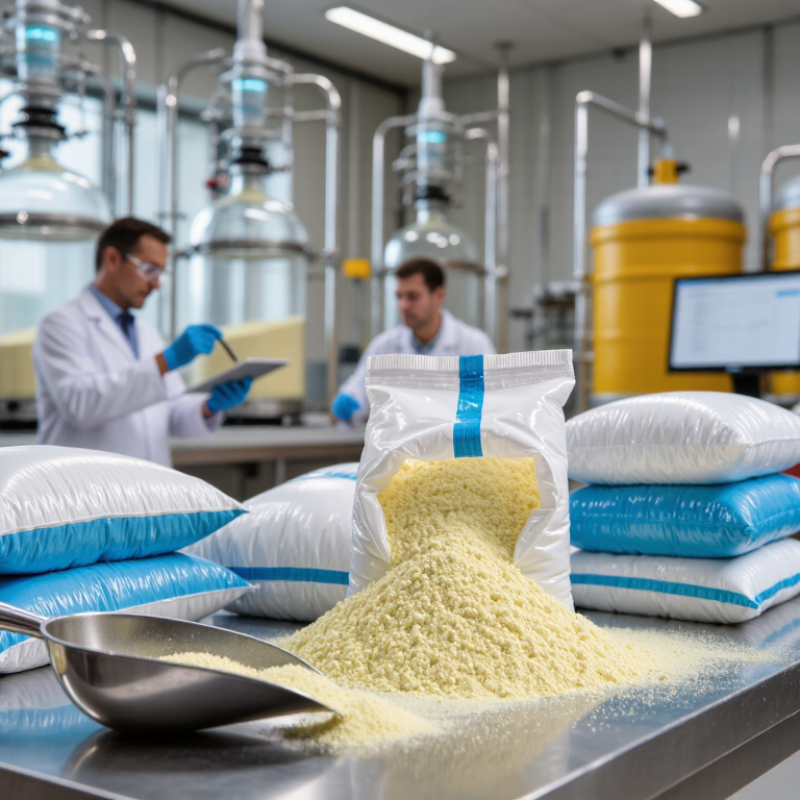
This guide to China’s top 10 Cerium Oxide manufacturers is intended as a practical starting point, not a universal ranking. Company capabilities, product lines, and export services can change, and public information may not show every limitation. Details vary. The comparison should therefore consider verifiable factors such as available grades, production capacity, quality-control practices, technical support, and experience serving relevant industries. Ask for a current specification sheet and certificate of analysis, then confirm that the stated values match the batch offered. When possible, test a sample under your actual operating conditions. Check how the material is packed, too: a clear label and intact moisture-resistant bag can prevent avoidable confusion during storage and handling. Not a guarantee. A polished website cannot replace a technical conversation or independent checks. Even a supplier with strong credentials may not suit a specific process, while a less visible producer may offer a better fit. Use the profiles to build a shortlist, ask precise questions, and verify claims before placing an order.
China Top 10 Cerium Oxide Manufacturers?

What Cerium Oxide Is and How It Is Produced

Cerium oxide, or ceria, is a pale yellow-white compound with the formula CeO2. It occurs in rare-earth minerals and is valued for its ability to shift between cerium’s +3 and +4 oxidation states. That chemistry matters. Ceria can store and release oxygen, while its hardness makes it useful in precision polishing. In a workshop, the material may look like fine, dry powder, but its particle size and surface condition influence how it performs.

Production
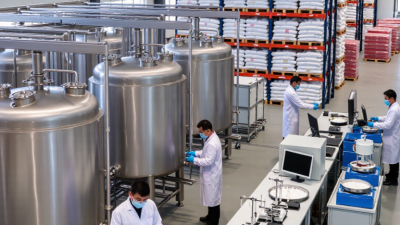
Production begins with rare-earth ore, which is concentrated and processed to separate cerium from other elements. The cerium-bearing solution is then purified, often followed by precipitation as a carbonate, hydroxide, or oxalate. After filtering and washing, the solid is dried and heated. This calcination step converts it into cerium oxide. The route is not perfectly uniform; ore composition and process conditions can change the powder’s properties. Manufacturers may mill and classify the product, then check chemical purity and particle-size distribution. Small differences matter. A powder suited to polishing may not be ideal for a ceramic or catalyst application.
How China’s Cerium Oxide Manufacturing Industry Is Organized

China’s cerium oxide industry is organized across several linked stages, rather than around a single type of manufacturer. Miners and concentrators supply mixed rare-earth material. Separation plants then isolate cerium-bearing streams, which are converted into oxide powders with different purity and particle-size specifications. Some producers focus on bulk industrial grades; others serve polishing, glass, catalysts, or technical ceramics.

The scale of the wider supply chain matters. The USGS Mineral Commodity Summaries 2025 estimates China’s 2024 rare-earth mine production at 270,000 metric tons of rare-earth-oxide equivalent, out of 390,000 metric tons globally. This is not cerium oxide output; it measures the broader rare-earth sector. The International Energy Agency’s Global Critical Minerals Outlook 2024 also describes rare-earth processing as highly concentrated in China, helping explain why separation capacity influences oxide availability.

Downstream buyers often assess more than the quoted purity. They may check particle distribution, moisture, trace impurities, and consistency between batches. A fine powder can look uniform in a sample jar, yet behave differently in a polishing slurry. The picture is not perfectly tidy. Public data rarely separates cerium oxide production from other rare-earth products, so rankings based on company output can be hard to verify. Industry structure is clearer: upstream separation, oxide conversion, grade control, and customer-specific processing.

Criteria for Comparing Cerium Oxide Manufacturers in China

China Top 10 Cerium Oxide Manufacturers? Criteria for Comparing Cerium Oxide Manufacturers in China

Comparing cerium oxide manufacturers requires more than checking a quoted price or headline purity. Ask for a recent certificate of analysis and verify its lot number against the delivered material. Compare cerium oxide content, moisture, and reported impurities, including iron and lead. Particle size matters too. A polishing powder for glass may need a different size distribution from a catalyst-grade material. Request the test method and measurement basis; “99.9%” alone tells you little about how a batch will perform.

Supply-chain scale provides useful context, but it is not a quality score. The USGS Mineral Commodity Summaries 2025 estimates China produced 270,000 metric tons of rare-earth-oxide equivalent in 2024, out of 390,000 metric tons worldwide. These figures cover rare earths overall, not cerium oxide alone. A manufacturer’s own production capacity and consistency therefore need separate evidence. Review sample results across multiple lots, packaging controls, and lead times. Ask how the supplier handles particle-size variation between batches. ISO 9001 certification can indicate documented quality processes, but it does not prove that a specific powder suits your application. One sample is not enough. Admittedly, comparing suppliers takes time, and test results may not be directly comparable when methods differ.

China Cerium Oxide Manufacturers: Comparison Criteria

Suggested procurement weighting for evaluating suppliers—not a measured ranking or market survey.

How to use: Compare suppliers against the same criteria and adjust the weights to match the intended application. Verify purity, particle-size specifications, consistency, and documentation using current product data and test reports.

Profiles of Ten Chinese Cerium Oxide Manufacturers

Profiles of ten Chinese cerium oxide manufacturers are most useful when they reveal process controls, not just catalog grades. Ceria serves glass polishing, catalysts, ceramics, and precision finishing, where particle size and impurities affect results. Ask for lot-specific certificates, test methods, and retained-sample policies. Small details matter.

Supply context matters. The USGS Mineral Commodity Summaries 2025 estimates China mined 270,000 tonnes of rare-earth-oxide equivalent in 2024, out of 390,000 tonnes worldwide. This is mine output, not cerium oxide production, so it should not be treated as ceria market share. The IEA’s Global Critical Minerals Outlook 2024 also highlights China’s dominant role in rare-earth refining, making traceability and process consistency important checks.

Compare each profile against application fit: polishing-grade products need consistent particle distributions, while catalyst users may prioritize surface area and chemistry. Record stated capacity separately from verified shipments; they are not interchangeable. Some public supplier information omits test conditions, weakening comparisons. A careful shortlist should flag missing data rather than smooth it over.

China Top 10 Cerium Oxide Manufacturers? – Profiles of Ten Chinese Cerium Oxide Manufacturers

Non-ranked overview. To avoid presenting unverified company-specific claims, the entries below are anonymized product-profile types, not confirmed profiles of ten individual manufacturers. Product specifications vary by supplier and should be checked against current technical data sheets and certificates of analysis.

No. Anonymized Product Profile Typical Product Focus Common Applications Key Information to Verify
1 Glass-polishing powder profile Cerium oxide abrasive powder formulated for glass polishing General glass finishing and polishing Particle-size distribution, polishing rate, suspension behavior, and suitability for the glass type
2 Precision-optics polishing profile Polishing grades intended for controlled surface finishing Optical glass and precision components Particle-size consistency, scratch performance, surface-finish data, and process recommendations
3 Display-glass polishing profile Polishing powders for flat glass and display-related glass processing Display panels and other flat-glass applications Contamination limits, defect control, slurry compatibility, and batch-to-batch consistency
4 High-purity ceria profile Cerium oxide sold with a stated chemical-purity specification Specialty materials and applications requiring controlled impurities Purity basis, impurity analysis, moisture content, test method, and certificate of analysis
5 Nano-ceria profile Fine-particle cerium oxide powders marketed at nanoscale Research and selected catalytic, polishing, or functional-material uses Primary particle size versus agglomerate size, measurement method, dispersion, and safety documentation
6 Catalyst-material profile Ceria powders or materials designed for catalyst-related applications Catalyst research and industrial catalyst formulations Surface area, thermal stability, composition, and application-specific performance data
7 Ceria-zirconia mixed-oxide profile Mixed cerium- and zirconium-oxide materials, rather than pure cerium oxide Catalyst and other functional-oxide applications Cerium-to-zirconium ratio, other additives, phase/composition data, and intended use
8 Ceramic and functional-material profile Cerium oxide powder supplied as a ceramic or functional-material ingredient Ceramics and specialized oxide-material formulations Chemical composition, particle characteristics, loss on ignition, and processing compatibility
9 Rare-earth oxide blend profile Ceria-containing mixed rare-earth oxide products Applications where a mixed rare-earth composition is specified Full oxide composition and confirmation that the material is a blend, not pure CeO2
10 Custom-specification profile Ceria products offered to buyer-defined particle-size, purity, or packaging requirements Applications requiring tailored material specifications Written specification, sample approval, production tolerances, lead time, and batch traceability

Cerium oxide is CeO2 (CAS No. 1306-38-3; molar mass 172.11 g/mol). These general reference facts do not establish the specifications or capabilities of any particular supplier.

Product Grades, Applications, and Key Sourcing Factors

China’s cerium oxide suppliers may offer polishing, catalyst, and ceramic grades, but grade labels alone reveal little. For glass polishing, ask for particle-size distribution, D50, and dispersion behavior; coarse particles can leave visible scratches on a glass surface. Catalyst and ceramic buyers should also check impurity limits, moisture, and batch consistency. Small details matter.

The USGS Mineral Commodity Summaries 2025 estimates global rare-earth mine production at 390,000 metric tons of rare-earth-oxide equivalent in 2024, with China accounting for 270,000 metric tons. These figures describe rare-earth production, not cerium oxide output specifically—a distinction worth keeping clear. When assessing manufacturers, request a current certificate of analysis, test methods, representative samples, packaging details, and realistic lead times. A comparison based only on headline purity is imperfect; particle size and trace impurities may matter more for the final process. Check whether specifications are consistent across batches, not just on one sample. That takes extra work. It can prevent costly production surprises.