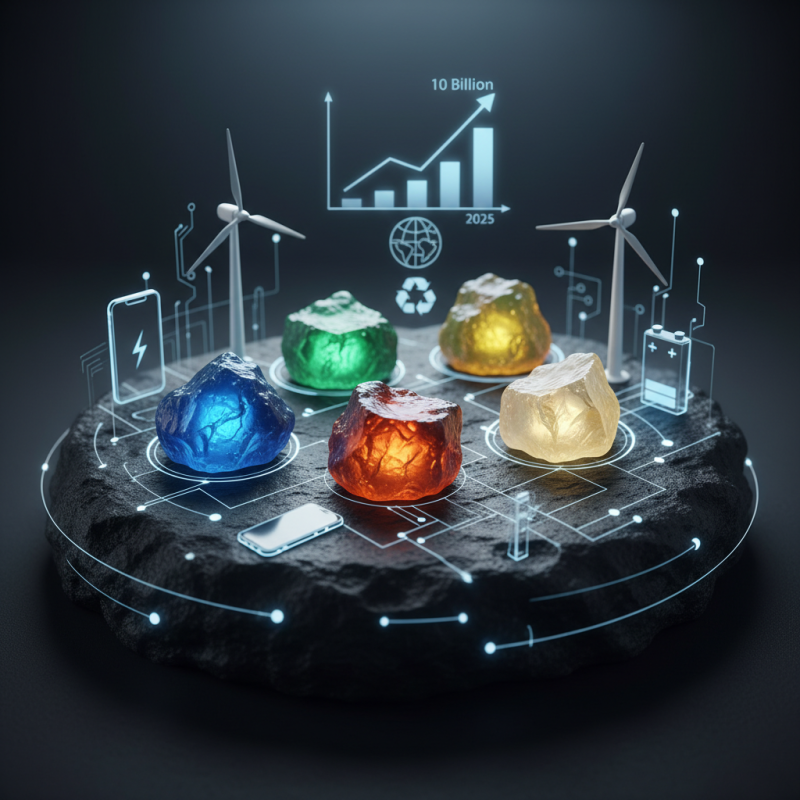
Rare Earth Materials play a crucial role in modern technology. These elements are essential for everything from smartphones to renewable energy sources. According to a 2023 industry report, the global market for rare earths is projected to reach $10 billion by 2025.
Understanding these materials is not straightforward. Despite their name, they are neither particularly rare nor easy to extract. Mining and processing them can cause significant environmental harm. This fact highlights the need for responsible sourcing practices. Many companies are now focusing on sustainable methods to reduce their impact.
Gaining insight into rare earth materials can enhance decision-making. With increasing demand, the race for supply is intensifying. Businesses must navigate the complexities of the market. Knowledge about these materials is essential for anyone involved in high-tech industries. Yet, confusion often prevails; misinterpretations can lead to poor investment decisions. Exploring this topic further can provide clarity.
Rare earth materials have unique properties that make them essential for modern technology. These elements, often found in small quantities, play a vital role in electronics and renewable energy. They possess remarkable magnetic, luminescent, and structural qualities. For instance, neodymium is crucial for powerful magnets. These magnets are smaller but more efficient than traditional ones.
Understanding these materials requires acknowledging their complexity. Extracting rare earth elements can lead to environmental issues. The mining process often harms local ecosystems. Additionally, the supply chain can be vulnerable, as these materials are often concentrated in specific regions. Some elements are more abundant than others, yet their extraction remains challenging.
Education on rare earth properties is key. Scientists continually research new applications and alternatives. However, misconceptions persist about their ease of sourcing. Awareness of both the potential and limitations of these materials is important. The balance between innovation and sustainability is delicate. As we navigate this landscape, reflection on our choices is crucial.
| Tip Number | Tip | Explanation | Applications |
|---|---|---|---|
| 1 | Know the Elements | Understand the 17 rare earth elements and their properties. | Used in magnets and phosphors |
| 2 | Recognize their Importance | Learn why rare earth materials are crucial for modern technology. | Electronics and green technologies |
| 3 | Understand Mining Processes | Familiarize yourself with how rare earth materials are extracted. | Mining operations |
| 4 | Study Separation Techniques | Learn about the techniques used to separate rare earth elements. | Material recovery |
| 5 | Explore Recycling Methods | Understand how rare earth materials can be recycled. | Sustainable practices |
| 6 | Keep Up with Market Trends | Stay informed about supply and demand dynamics. | Investment and trade |
| 7 | Understand Regulation Issues | Learn about the regulations surrounding rare earth materials. | Compliance and policy |
| 8 | Investigate New Technologies | Explore advancements in the use of rare earth materials. | Innovative applications |
| 9 | Attend Industry Conferences | Network and learn from industry professionals. | Knowledge exchange |
| 10 | Follow Environmental Impact | Understand the environmental concerns related to mining. | Sustainable development |

Rare earth elements (REEs) play a critical role in modern technology. These materials are essential for producing high-performance magnets, catalysts, and phosphors. They are found in many everyday devices, from smartphones to electric vehicles. The unique properties of REEs enable innovations in renewable energy and aerospace technologies.
Despite their importance, the supply chain for rare earth materials can be complex and fragile. Environmental concerns surrounding mining practices cannot be ignored. The extraction process may lead to soil and water contamination. Some argue for more sustainable methods, but progress is slow.
As technologies evolve, the demand for rare earth elements continues to rise. However, recycling and alternative resources are gaining attention. Yet, these approaches require innovative strategies and investment. The global reliance on REEs must prompt more discussions about responsible sourcing and environmental impact. Balancing technological advancement with sustainability remains a challenge.
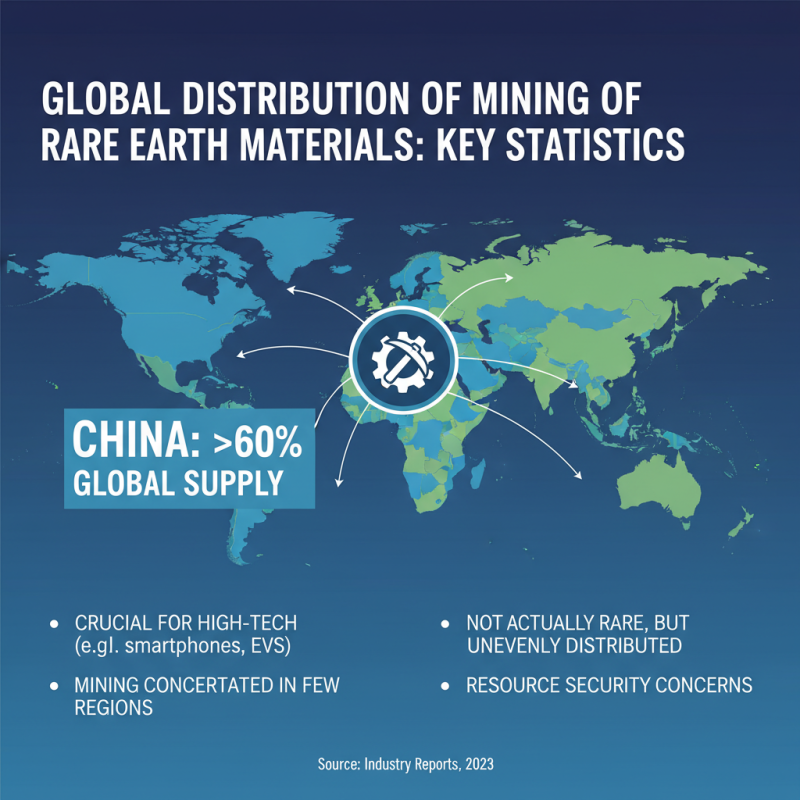
Understanding rare earth materials begins with their global distribution. These elements are crucial for various high-tech applications. They are not as rare as the name suggests, but their mining is concentrated in few regions. China dominates the market, accounting for over 60% of the global supply. This centralization raises concerns about resource security for other countries.
When considering mining locations, remember that environmental impacts can be severe. Communities may face pollution and health issues. Responsible mining practices are essential. Exploring sustainable methods is necessary for future generations. One tip is to pay attention to local regulations. These can affect mining activities and environmental protections.
Another crucial point is the raw material's journey. It starts from extraction to processing. Each step has its own set of challenges. The logistics of moving these materials can be complex. Supply chain disruptions can occur, impacting availability. Keeping informed about global trade issues is vital. Balancing supply and demand is key to managing these precious resources effectively.
The extraction of rare earth elements (REEs) poses significant environmental challenges. Mining activities can lead to soil erosion and loss of biodiversity. The process often involves toxic chemicals, causing pollution in surrounding ecosystems. For instance, sulfuric acid may be used to separate valuable minerals, contaminating local water supplies. This can impact both wildlife and communities reliant on these resources.
Moreover, waste produced during extraction is usually stored in tailings ponds. These ponds pose a risk of leaks, which can lead to catastrophic spills. Such events may cause long-term damage to ecosystems. The balance between resource demand and environmental protection is delicate. While REEs are crucial for technology, their extraction should not compromise our natural world. The industry often lacks transparency, raising ethical concerns about environmental stewardship.
Efforts to improve practices are ongoing, yet challenges remain. The push for sustainable mining is essential. Innovations in recycling rare earth elements from electronic waste may offer a solution. However, this field is still developing. We must reflect on our consumption patterns and the impact they have on our planet. Responsible sourcing and alternative materials may play a key role in addressing these pressing issues.
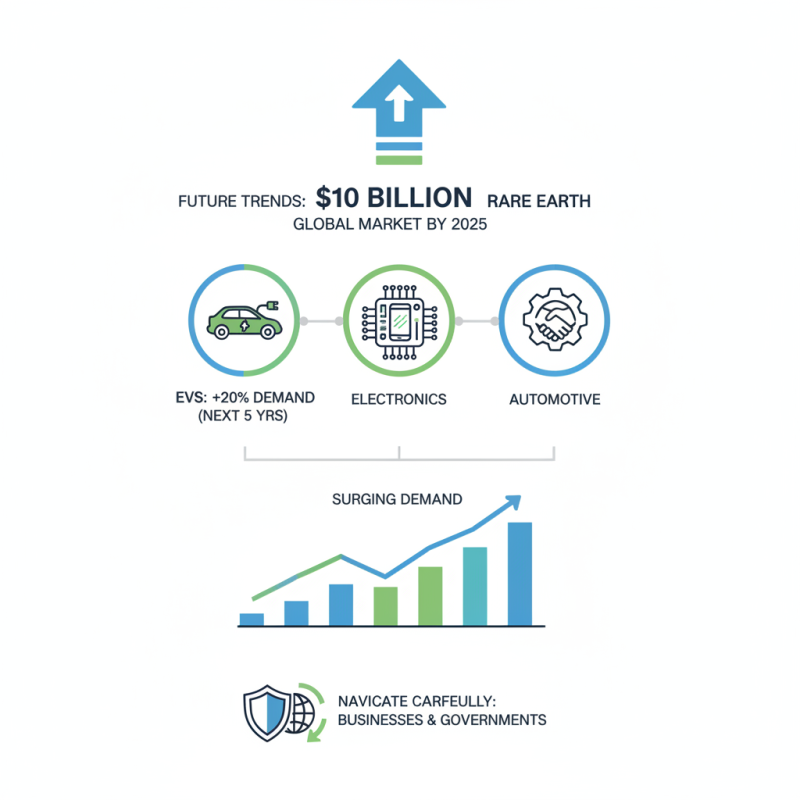
The demand for rare earth materials is surging. Reports indicate that the global market size is anticipated to surpass $10 billion by 2025. This growth largely stems from the automotive and electronics industries. Electric vehicles (EVs) alone could consume up to 20% more rare earth materials in the next five years. Businesses and governments must navigate these changes carefully.
Emerging technologies bring both promises and challenges. Wind turbines and renewable energy solutions are key areas of growth. However, the supply chain is vulnerable. Current geopolitical tensions can disrupt sourcing. For instance, a 2022 study revealed significant risks linked to over-reliance on a few suppliers. This situation demands strategic diversification. Companies are exploring recycling to reduce dependence.
The future may also witness innovation in alternative materials. Researchers are investigating substitutes that could ease the strain on rare earth supply. Yet, transitioning to alternatives is complex and time-consuming. It requires substantial investment in R&D. The path forward is not straightforward, and the industry must remain vigilant about potential pitfalls. Proactive measures are essential to ensure sustainability in rare earth material usage.