Why Are Rare Earth Alloys Important in Modern Technology?
Rare Earth Alloys play a crucial role in modern technology. These unique materials possess exceptional properties. They are essential in various applications, including electronics, renewable energy, and defense systems.
The demand for Rare Earth Alloys has surged in recent years. Devices like smartphones and electric vehicles rely heavily on these materials. Their ability to enhance performance is unmatched. However, the supply chain is complex and often problematic. Many wonder about the sustainability of these alloys.
Challenges remain in accessing and recycling Rare Earth Alloys. Not all countries have easy access to these resources. Their procurement raises concerns about environmental impact and ethical sourcing. Thus, while Rare Earth Alloys are vital, we must reflect on their life cycle and associated challenges.
The Role of Rare Earth Alloys in High-Performance Magnets
Rare earth alloys play a crucial role in modern technology, especially in the production of
high-performance magnets. These magnets are essential components in electric vehicles, wind turbines,
and various consumer electronics. According to a recent study, the global demand for rare earth magnets is expected to reach
$25 billion by 2027. This surge highlights their significance in powering innovations that require
strong and efficient magnets.
High-performance magnets made from rare earth elements exhibit remarkable magnetic properties. For instance,
neodymium-iron-boron (NdFeB) magnets are among the strongest available. They can lift heavy loads while being relatively small. However, sourcing these
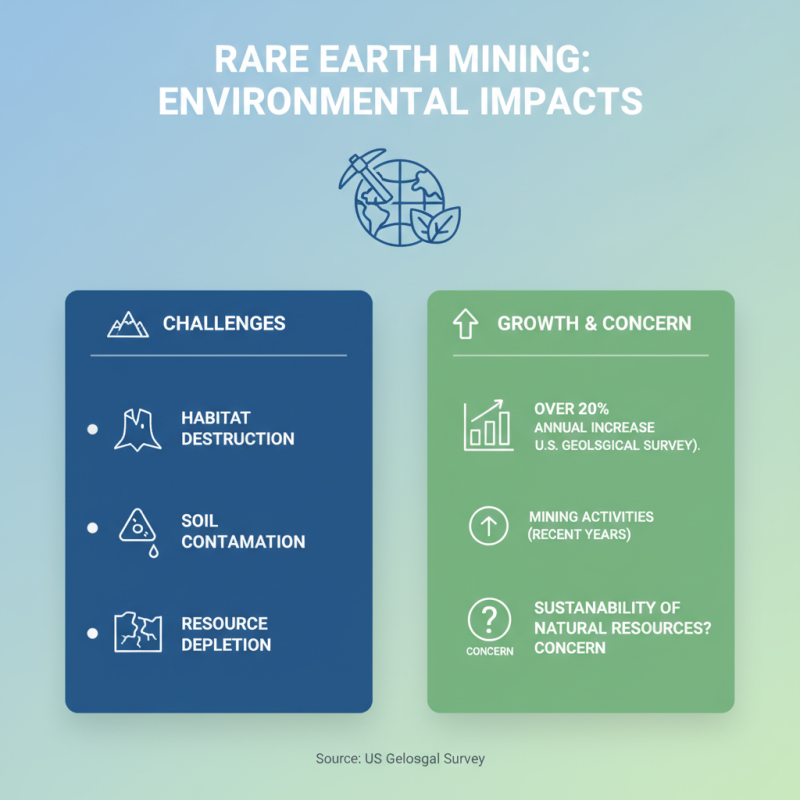
alloys presents challenges. The extraction process is often environmentally damaging, and the supply can be unstable. This creates a tension between
technological advancement and environmental sustainability.
Tip: Always consider the environmental impact of rare earth sourcing. Opt for recycling programs to recover rare materials from old devices.
This approach not only benefits the planet but also reduces dependence on newly mined resources.
The future of rare earth alloys holds promise, yet it requires careful balance. As demand rises, innovations in extraction and recycling need to
keep pace. Prioritizing sustainable practices can help ensure that the technological revolution
does not come at the planet's expense.
Applications of Rare Earth Alloys in Renewable Energy Technologies
Rare earth alloys play a vital role in renewable energy technologies. These materials enable advancements in various applications. Wind turbines, for example, utilize rare earth magnets to enhance efficiency. The stronger these magnets, the more energy can be captured. This efficiency is crucial as we strive to harness clean energy from nature.
In solar energy, rare earth alloys improve the performance of photovoltaic cells. These cells transform sunlight into electricity with greater effectiveness. However, the extraction of rare earth elements raises concerns. Environmental impacts are significant and often overlooked. Mining practices can damage ecosystems, leading to a call for more sustainable approaches.
Battery technology also benefits from rare earth elements. They enhance the energy density and longevity of rechargeable batteries. Yet, dependence on rare earth alloys raises questions about resource availability. Balancing demand with responsible sourcing is imperative for the future of renewable energy. This ongoing challenge requires constant reflection and innovation in material science.
Applications of Rare Earth Alloys in Renewable Energy Technologies
Critical Properties of Rare Earth Alloys for Electronic Components
Rare earth alloys play a critical role in modern technology. They provide unique properties essential for electronic components. These materials enhance conductivity and thermal stability. For example, neodymium alloys are known for their magnetic strength. This makes them crucial in creating efficient motors and generators.
In the realm of electronics, these alloys improve the reliability of devices. Recent studies indicate that rare earth elements can boost the lifespan of batteries. They also enhance the performance of semiconductors. Data shows that using rare earth alloys can increase energy efficiency by up to
30%. This is vital in reducing overall energy consumption.
Tips: Consider exploring advancements in alloy combinations. Innovative research can lead to better performance. Also, think about environmental impacts. Mining rare earth materials can be harmful. Sustainable practices should be prioritized.
Understanding the properties of rare earth alloys is essential. They are not just materials; they are the backbone of technological progress. However, there is still room for improvement. The supply chain remains a challenge. Solutions must focus on recycling and alternative sourcing. Balancing performance with sustainability is key for future innovations.
Market Trends and Supply Chains of Rare Earth Elements in Industry
The market for rare earth elements is complex and constantly evolving. These materials are vital for many industries, from electronics to renewable energy. The demand for rare earth alloys is growing due to their unique properties. In electric vehicles, for instance, these alloys enhance the efficiency of motors and batteries. This surge in demand has created a significant impact on supply chains.
The supply of rare earth elements often faces challenges. Mining and processing these materials require advanced technology and resources. Many countries have started to explore local sources, but accessibility remains an issue. Political factors can also disrupt supply chains. Transporting rare earth elements across borders adds layers of complexity. Shipping delays and regulatory hurdles are common.
As industries push for sustainable solutions, the quest for rare earth elements intensifies. Companies must find ways to balance ethical sourcing with production needs. The pressure to innovate continues to grow, pressing the industry to adapt quickly. Reflection on these challenges brings awareness to the fragility of the supply chain. Future advances may focus on recycling and efficient use. Striking a balance between demand and sustainability is crucial.
Why Are Rare Earth Alloys Important in Modern Technology? - Market Trends and Supply Chains of Rare Earth Elements in Industry
| Element |
Symbol |
Uses |
Current Market Price (USD/kg) |
Supply Chain Challenges |
| Neodymium |
Nd |
Magnets, lasers, batteries |
75 |
Supply disruption due to geopolitical tensions |
| Dysprosium |
Dy |
High-performance magnets |
300 |
Limited production locations |
| Terbium |
Tb |
Green phosphors, magnets |
150 |
Environmental regulations on mining |
| Lanthanum |
La |
Camera lenses, batteries |
40 |
Market fluctuations impact production costs |
| Cerium |
Ce |
Catalysts, abrasives |
60 |
Overproduction leading to price drop |