Rare Earth Elements Recycling Strategies for Global Buyers?
In recent years, Rare Earth Elements (REEs) have gained significant attention due to their critical role in advanced technologies. Global demand for REEs is projected to grow by over 7% annually, reaching approximately $15 billion by 2027. However, extraction and processing pose environmental challenges. This creates a pressing need for effective Rare Earth Elements Recycling strategies.
Recycling REEs presents a viable solution to address supply chain issues. An estimated 50% of the world's REE demand could potentially be met through recycling by 2030, according to industry reports. This shift not only reduces reliance on mining but also minimizes environmental impact, a crucial factor for sustainable development. Yet, challenges remain in the efficiency of existing recycling processes and the economic feasibility of large-scale operations.
Despite advances in technology, the recycling of REEs is still underutilized. Many industries remain uncertain about the benefits. Developing robust recycling infrastructures and fostering collaboration among stakeholders is essential. As the market evolves, buyers must weigh both opportunities and limitations in Rare Earth Elements Recycling. Only then can we create a sustainable, secure future for these vital resources.

Overview of Rare Earth Elements and Their Importance
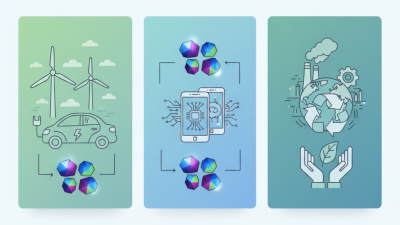
Rare earth elements (REEs) play a crucial role in modern technology. These materials are essential for manufacturing electronics, batteries, and renewable energy systems. Their unique properties enable the production of high-performance magnets and catalysts, driving innovation in various industries.
Despite their significance, the extraction of REEs poses environmental and social challenges. Mining processes can lead to habitat destruction and pollution. Additionally, many countries face resource depletion issues. Sustainable solutions are needed to address these concerns. Recycling strategies present a valuable opportunity.
By reclaiming rare earth elements from used products, we can reduce waste and lessen the demand for new mining operations. Innovative recycling technologies are being developed to extract REEs from electronic waste. However, the current recycling rates remain low. Increasing public awareness and investment in recycling facilities are necessary steps.
Current Global Demand and Supply Trends for Rare Earth Elements
The global demand for rare earth elements (REEs) continues to rise, driven by technological advancements. These materials are essential for smartphones, electric vehicles, and renewable energy systems. As industries ramp up production, concerns about supply chain disruptions grow. Many countries rely heavily on imports, making them vulnerable to market fluctuations.
The current supply trends highlight a complex landscape. Mining and refining REEs are environmentally challenging. Many nations are exploring recycling strategies to mitigate reliance on virgin materials. Innovative solutions are emerging, focusing on extracting REEs from electronic waste. Yet, the recycling process often faces logistical hurdles and technological limitations.
A challenge for global buyers is ensuring a stable supply. Partnerships in recycling can provide a more sustainable source. However, many companies still lack the infrastructure for efficient recovery. This gap in capability raises questions about long-term sustainability practices. Without significant investment in recycling technology, the growing demand may outpace available supply. The need for robust solutions remains critical, urging stakeholders to rethink traditional sourcing strategies.
Recycling Technologies Used in Rare Earth Elements Recovery
Recycling technologies play a crucial role in the recovery of rare earth elements (REEs). These elements are vital for various high-tech applications. However, traditional mining processes can be harmful to the environment. This calls for innovation in recycling methods.
One effective approach involves hydrometallurgy, which uses aqueous solutions to extract REEs from waste materials. This technique can recover elements from old electronics, batteries, and magnets. The process often employs leaching agents that dissolve the target metals for collection. Recent studies highlight its efficiency but also stress the need for reducing chemical waste.
Another promising method is pyrometallurgy. This high-temperature technique can separate mixed materials effectively. It involves melting components to extract valuable metals. However, the energy consumption can be significant, leading to criticism regarding its sustainability. As industries face environmental regulations, developing greener pyrolysis methods is essential.
Investing in sophisticated recycling technologies benefits global buyers. It promotes resource circularity, potentially lowering dependency on new mining. Nevertheless, the implementation of these strategies requires significant research and adaptation. The journey toward sustainable REE recycling is still ongoing.
Challenges in Implementing Recycling Strategies for Rare Earth Elements
Recycling rare earth elements (REEs) poses significant challenges for global buyers. The complexity of separating these elements from various materials is a considerable barrier. The processes are often energy-intensive and require advanced technology. Many facilities lack the necessary equipment and expertise. This gap in capability can lead to inefficient recycling practices, ultimately affecting supply chains.
Limited awareness and understanding of REE recycling are also hurdles. Businesses may not prioritize such initiatives due to perceived costs. The investment in recycling infrastructure often seems daunting. Additionally, fluctuating market prices create uncertainty. Companies may hesitate, unsure of the long-term benefits versus immediate expenses. This variability can result in inconsistent recycling efforts.
Environmental concerns further complicate the situation. Improper disposal of REEs can harm ecosystems. Some buyers may overlook this when considering recycling options. The lack of comprehensive policies or regulations amplifies these issues. Industry-wide collaboration is essential for developing effective recycling strategies. However, achieving this requires a collective mindset focused on sustainability and responsibility.
Future Perspectives on Rare Earth Element Recycling for Global Buyers
The recycling of rare earth elements (REEs) is gaining momentum among global buyers. According to a 2023 report from the International Energy Agency, nearly 85% of REEs used in electronics could be recycled. This shift could significantly reduce the need for mining new materials. While the technology is available, adoption remains uneven across industries.
China currently dominates the REE market, with over 60% of global production. However, with rising environmental concerns, many nations are investing in local recycling capabilities. A 2022 study noted that recycling can lower carbon emissions by up to 40%. This is substantial, yet many companies are hesitant to invest due to high upfront costs.
Challenges persist in establishing efficient recycling systems. Current methods can extract only a fraction of valuable materials. Additionally, the inconsistency in quality and supply makes it difficult for recyclers to compete with traditional mining. As market demand for sustainable practices grows, global buyers must embrace innovative recycling solutions. This ongoing evolution reflects both a need for change and an opportunity for sustainable development in the rare earth sector.