Top 10 Rare Earth Elements Recycling Methods You Need to Know?
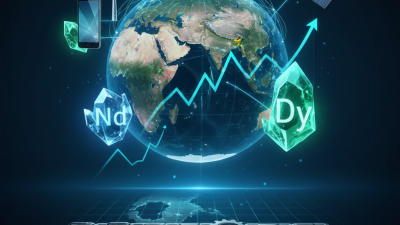
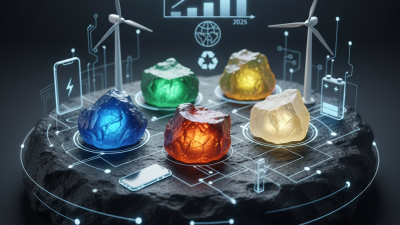
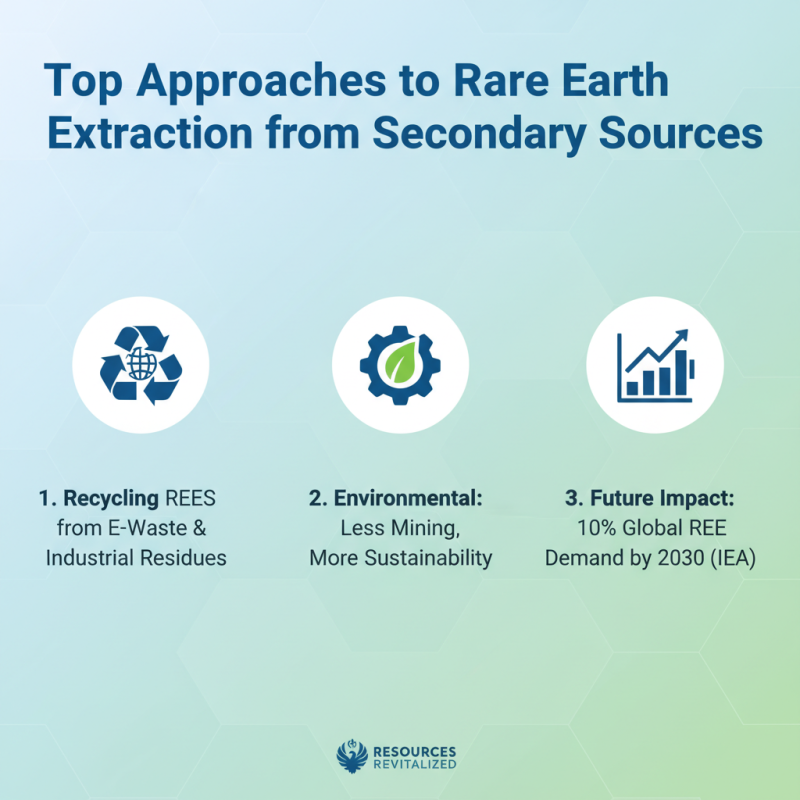
In the landscape of modern technology, Rare Earth Elements (REEs) play a critical role. These materials are essential for manufacturing electronics, renewable energy systems, and advanced military applications. According to a report by the International Energy Agency, the global demand for REEs is expected to rise by over 25% by 2030. Thus, exploring methods for Rare Earth Elements Recycling is not just necessary but urgent.
Dr. Emily Chen, a leading expert in materials science, emphasizes the importance of recycling these materials. She states, "Effective recycling of rare earth elements can significantly reduce both environmental impact and reliance on newly mined resources." This powerful statement underscores the need for innovative recycling techniques. Current recycling methods have not kept pace with demand, and many end-of-life products are discarded instead of recycled.
The recycling process is complex and often inefficient. Many existing methods face technical and economic limitations. However, the potential for improvement is significant. By leveraging new technologies and improving public awareness, we can enhance Rare Earth Elements Recycling efforts. This industry shows promise but also faces challenges that require critical reflection and proactive solutions.

Overview of Rare Earth Elements and Their Importance in Modern Technology
Rare earth elements (REEs) play a critical role in modern technology. They are essential in manufacturing
smartphones, electric vehicles, wind turbines, and military equipment.
These metals enhance performance, efficiency, and functionality. Their unique magnetic and phosphorescent properties are vital for various applications.
Tips: Proper recycling methods ensure a sustainable approach. Recycling REEs can reduce reliance on mining and lower environmental impacts.
Familiarize yourself with local recycling programs that accept electronic waste.
The process of extracting rare earth elements from used products is complex. It requires careful handling and specialized knowledge. Many individuals are unaware of the sheer volume of
rare earths in discarded electronics. This oversight contributes to unnecessary resource depletion.
Tips: Always check for recycling options before discarding electronics. Local collection drives or special drop-off events
can help you contribute to the circular economy. Educating others about the importance of recycling rare earths creates a ripple effect in your community.
Common Sources of Rare Earth Elements in Electronic Waste and Other Products
Rare earth elements (REEs) are crucial for various electronic devices. They can be found in smartphones, laptops, and electric vehicles. Many consumers are unaware of how these elements are hidden in their gadgets. When these devices reach their end of life, they become a rich source of REEs.
Old electronics often contain valuable materials like neodymium and dysprosium. These elements are used in powerful magnets and batteries. Extracting REEs from e-waste is vital for recycling efforts. Efficient methods can significantly reduce environmental impacts. However, the process isn't without challenges. The technology for recovering these elements is still developing.
There is also a knowledge gap among technicians. Not everyone is trained in rare earth recycling techniques. This can lead to waste and missed opportunities. As interest grows, education on REE recycling must improve. Understanding sources in electronic waste is key to responsible usage and recycling.
Top 10 Rare Earth Elements Recycling Methods
Innovative Technologies in Rare Earth Recycling: Processes and Efficiency
Innovative recycling technologies for rare earth elements (REEs) are gaining attention due to increasing demand and supply challenges. According to the U.S. Geological Survey, global neodymium production alone reached over 120,000 metric tons in 2022, highlighting the pressure on resource availability. Advanced methods such as hydrometallurgical processes are being explored for their efficiency and sustainability. These methods typically involve leaching, precipitation, and solvent extraction to reclaim valuable elements from electronic waste and industrial by-products.
Some recent studies indicate that hydrometallurgical techniques can recover up to 95% of rare earths from e-waste. This is significant; however, challenges remain. Often, the processes can be energy-intensive and require careful management of toxic by-products. There is also a need for further innovations to reduce operational costs and enhance yield. Furthermore, developing efficient separation techniques for various rare earth elements is still a work in progress.
Emerging technologies such as bioleaching are being researched for less energy consumption and a reduced environmental footprint. Reports suggest that microbial methods show promise in dissolving rare earths efficiently. These developments reflect the industry's push towards more sustainable practices. However, questions about scalability and economic viability linger. As the sector evolves, continuous evaluation of these methods will be necessary to ensure they meet both environmental and economic goals.
Environmental Impact and Sustainability of Rare Earth Elements Recycling Methods
Recycling rare earth elements (REEs) holds great potential for enhancing environmental sustainability. The extraction of these elements from natural sources often causes significant ecological damage. This includes habitat destruction and pollution. However, efficient recycling methods can mitigate these impacts.
Various recycling techniques exist, including hydrometallurgical and pyrometallurgical processes. These methods can reclaim valuable elements from discarded electronics, magnets, and batteries. Yet, not all methods are equally sustainable. Some processes generate hazardous waste. Others consume high energy levels, counteracting environmental benefits.
Research indicates that closed-loop recycling can significantly lower carbon footprints. This approach reduces the need for mining, which contributes to soil and water degradation. However, challenges remain. For instance, the technology for efficiently processing certain mixed materials is not fully developed. Hence, the journey toward a more sustainable future in REE recycling requires ongoing innovation and critical reflection.