Top Rare Earth Ndfeb Permanent Magnet Suppliers Worldwide?
In today's technologically advanced landscape, the demand for Rare Earth Ndfeb Permanent Magnets is surging. These magnets are crucial in various applications, from electric vehicles to wind turbines. According to Dr. Emily Chen, a leading expert in the field, "The efficiency and strength of Rare Earth Ndfeb Permanent Magnets make them essential for modern innovations."
As industries pursue greener solutions, the suppliers of these magnets are being closely scrutinized. The competition is fierce, and not all suppliers meet the required standards. A few companies have emerged as leaders in this niche market, but questions about sourcing ethics and the environmental impact remain. Transparency is vital.
In exploring the top suppliers, it's essential to consider their reliability and manufacturing practices. While some companies boast high performance metrics, others may lack the necessary certifications. This inconsistency raises concerns about the overall quality and sustainability of Rare Earth Ndfeb Permanent Magnets. Engaging with reputable providers is imperative for long-term success.

Overview of Global NdFeB Permanent Magnet Market Trends in 2023
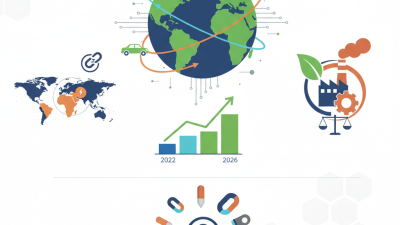
The global NdFeB permanent magnet market is evolving rapidly in 2023. Factors driving this growth include rising demand in electric vehicles (EVs) and renewable energy applications. According to industry reports, the market is projected to grow at a compound annual growth rate (CAGR) of over 8% from 2023 to 2028. This growth is significant, reflecting increasing adoption of high-performance magnets in various industrial sectors.
Regions like Asia-Pacific dominate the market, led by China, which produces a considerable share of global NdFeB magnets. However, concerns about supply chain stability and material sourcing remain. The ongoing geopolitical tensions and environmental regulations can impact future production. Companies are exploring alternatives and considering vertical integration to mitigate these risks.
Tips: When investing in NdFeB magnets, consider potential supply chain disruptions. Awareness of geopolitical factors is crucial. Evaluating suppliers based on sustainability practices can also be beneficial.
Top Rare Earth Suppliers: Market Share and Production Capacities
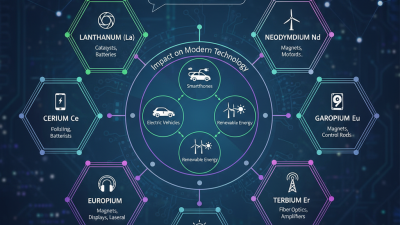
The rare earth magnet market is critical for modern technology. Neodymium iron boron (NdFeB) magnets are especially sought after. Their unique properties make them ideal for electric motors, wind turbines, and consumer electronics. Understanding the landscape of suppliers in this niche sector is essential for various industries.
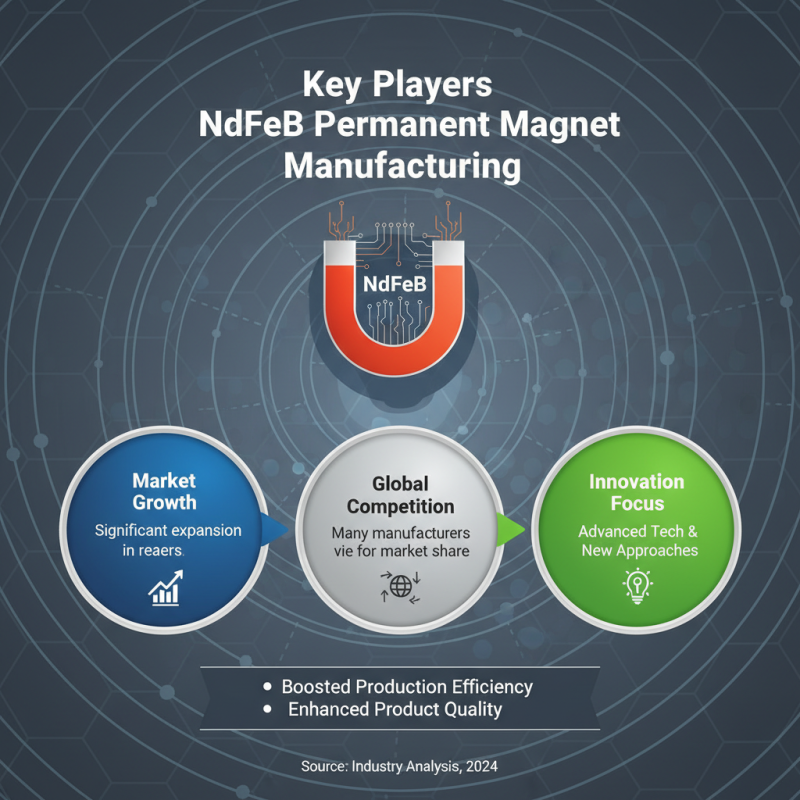
Market share and production capacities of top suppliers play a significant role. Many suppliers are concentrated in a few regions. For instance, certain countries lead in mining and refining. This creates a captive market that can influence prices. Moreover, competition among global suppliers can affect innovation in production processes. Some suppliers may struggle to scale operations or meet demand, raising questions about sustainability and future supply.
Establishing reliable supply chains remains a challenge. Geopolitical tensions can disrupt operations. This raises concerns for industries reliant on these magnets. Efforts must focus on diversifying sources to ensure stability. Without a comprehensive strategy, risks can escalate, impacting technology development across multiple sectors.
Emerging Technologies Impacting NdFeB Magnet Supply Chains
Emerging technologies are reshaping the supply chains of NdFeB permanent magnets. Innovative applications in renewable energy, electric vehicles, and consumer electronics are driving demand. As industries evolve, the need for efficient sourcing becomes critical. Understanding these dynamics is essential for stakeholders.
New manufacturing processes are gaining traction. Techniques like additive manufacturing and recycling are being explored. These methods can reduce reliance on traditional supply chains and decrease environmental impacts. However, challenges remain in scaling these technologies for widespread use. There are still uncertainties in material availability and quality control.
Increased competition is emerging in this sector. Various players are positioning themselves strategically, but many face obstacles. For example, sourcing ethical raw materials is complex. Fluctuating prices and geopolitical factors add further complications. A robust understanding of these supply chain intricacies can empower businesses to navigate future trends effectively.
Top Rare Earth NdFeB Permanent Magnet Suppliers Worldwide
The chart above illustrates the annual production volume of NdFeB permanent magnets across the leading producing countries. China leads the market by a substantial margin, followed by the USA and Japan, showing the global dynamics of the rare earth magnet supply chain.
Sustainability Challenges in Rare Earth Extraction and Magnet Production
The extraction of rare earth elements, essential for producing Neodymium-Iron-Boron (Ndfeb) magnets, poses significant sustainability challenges. Mining these resources often leads to considerable environmental degradation, including soil erosion and water contamination. Toxic byproducts from the extraction process can disrupt local ecosystems.
Additionally, the energy-intensive nature of refining rare earth elements further exacerbates carbon emissions. This issue calls for innovative techniques to reduce the environmental impact. Some companies explore alternative methods to recycle existing magnets, which may lessen the demand for new raw materials.
The entire supply chain, from mining to magnet production, requires scrutiny. There are gaps in sustainable practices that can lead to long-term damage. Society must actively seek solutions that balance the need for technology with environmental stewardship. Only then can we hope to create a more sustainable future for rare earth magnet production.