Exploring the Future of Rare Earth Elements Recycling in 2026 Top Trends?
The future of Rare Earth Elements Recycling is pivotal for both technology and sustainability. In 2026, we envision major strides in this sector. Industry expert Dr. Emily Johnson emphasizes, "Recycling rare earth elements is not just an option; it's a necessity for our green future." Her words resonate as global demand for these materials climbs.
As we explore this trend, challenges remain. The recycling process is complicated and costly. Innovations are needed to optimize efficiency. For example, separating rare earth elements from complex waste streams can be time-consuming. Additionally, some technologies are still in their infancy, which can deter investments.
Nonetheless, collaboration between businesses and researchers holds promise. With the right strategies, we could see significant progress in Rare Earth Elements Recycling. As we look ahead, it's crucial to reflect on how our choices today shape the future of this industry. The balance between resource recovery and environmental impact requires thoughtfulness and action.
Trends in Rare Earth Elements Demand and Supply Chains by 2026
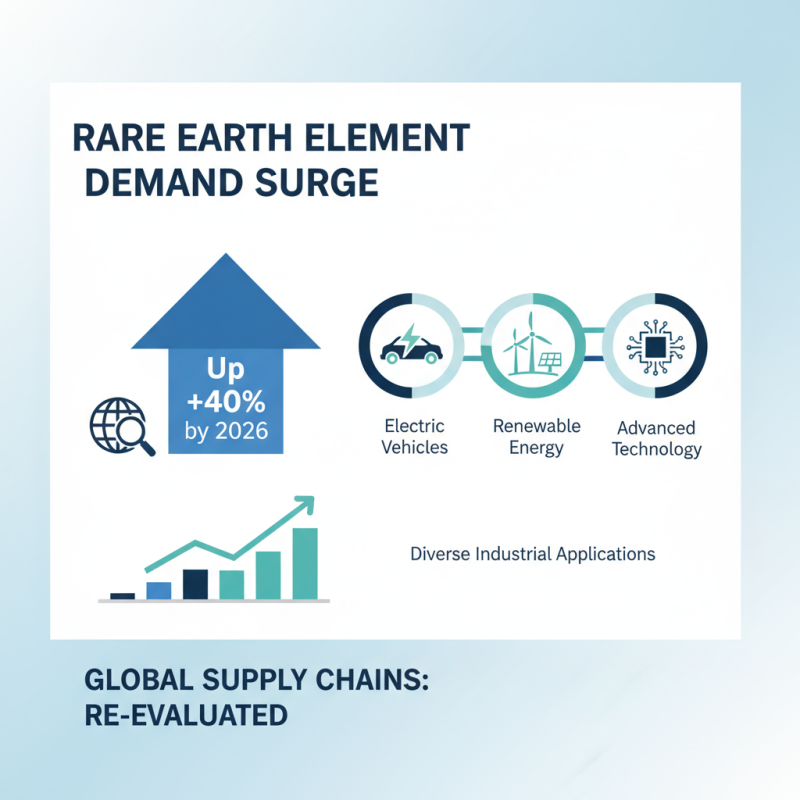
The demand for rare earth elements (REE) is set to grow significantly by 2026. As technology advances, so does the need for these vital materials. From electric vehicles to renewable energy systems, the applications are vast. Many industries will require more REEs for manufacturing. This escalated demand pressure will force a reevaluation of existing supply chains.
Recycling of rare earth elements is becoming crucial. Today, extracting them from e-waste is gaining attention. This method can recover valuable materials without depleting natural resources. However, challenges remain. Current recycling processes can be inefficient. Furthermore, public awareness about recycling remains low. Education and innovation in recycling technologies are necessary. Engagement from various stakeholders will be essential for change.
Sustainability is a critical aspect of the future supply chain. Companies must work together to establish better practices. This cooperation may lead to coordinating efforts for recycling initiatives. The next few years will test the industry's commitment to responsible sourcing. Reevaluation of strategies is vital. Balancing demand with sustainable practices will shape the future of REE recycling.
Current Recycling Technologies and Their Efficiency in Rare Earth Elements
Recycling rare earth elements (REEs) is gaining attention due to environmental concerns. Current technologies focus on efficiency but often fall short. For example, hydrometallurgical processes are common. They can recover around 70-90% of certain elements. However, the use of toxic chemicals raises environmental questions.
Another method is pyrometallurgy, which involves high temperatures. This technique can be effective for extracting REEs from metal alloys. Yet, it often requires significant energy, which can negate its benefits. Some facilities report recovery rates as low as 50%. There’s also a shift towards bioleaching. It uses microbes to extract metals from ores. While it’s environmentally friendly, the process is slow and less predictable.
Challenges exist in the recycling landscape. Many materials still go unprocessed. This highlights the need for better infrastructure and technology. As we approach 2026, innovation in recycling methods will be crucial. It’s clear that while we have made strides, much work remains to be done. We must reflect on how to make these processes more efficient and sustainable.
Economic Impact of Rare Earth Elements Recycling on Global Markets
The recycling of rare earth elements (REEs) is becoming crucial in the global market. In 2026, the market size for REE recycling could reach $8 billion. This figure reflects the increasing demand for sustainable practices in various industries. High-tech sectors, including electronics and renewable energy, heavily rely on these materials. Growing awareness drives companies to adopt recycling processes.
The economic impact of REE recycling extends beyond mere revenue. It reduces the dependency on mining, which can be both costly and environmentally damaging. The World Economic Forum reports that shifting to recycled materials can cut production costs by 20%. However, challenges remain. The current technology for recycling REEs is often insufficient. Many facilities aren't equipped for efficient processing. The industry must evaluate these weaknesses to avoid stagnation.
Investment in new technologies is essential for future growth. Improved methods will enhance recovery rates and lower costs. While optimism exists, the sector must grapple with underdeveloped infrastructures in many regions. This gap poses a barrier to achieving the potential benefits of recycling. Balancing economic growth and environmental responsibility is vital for long-term success.
Government Policies Influencing Rare Earth Elements Recycling Initiatives
Government policies play a pivotal role in shaping the future of rare earth elements (REE) recycling. As the demand for these critical materials increases, sustainability has become a key focus. According to a 2023 report by the International Energy Agency, global production of REEs is projected to grow by 30% by 2026. This surge requires robust recycling frameworks.
Several nations are implementing strict regulations to boost REE recycling. For instance, the European Union has launched initiatives aimed at increasing the recycling rate of these materials from around 1% to 30% by 2030. Their policies encourage manufacturers to incorporate recycled materials into their supply chains. The United States is also tightening policies, aiming for a 50% reduction in reliance on imported REEs through enhanced recycling strategies.
However, challenges remain. Current recycling technologies are often inefficient and costly. Reports indicate that recycling processes can recover only 20-30% of rare earth elements from scrap materials. This leaves significant quantities unrecycled. Additionally, some countries struggle with inconsistent regulations that hinder international cooperation in recycling efforts. Addressing these issues is crucial for achieving sustainable recycling goals.
Future of Rare Earth Elements Recycling in 2026: Influence of Government Policies
Environmental Benefits of Rare Earth Elements Recycling in 2026
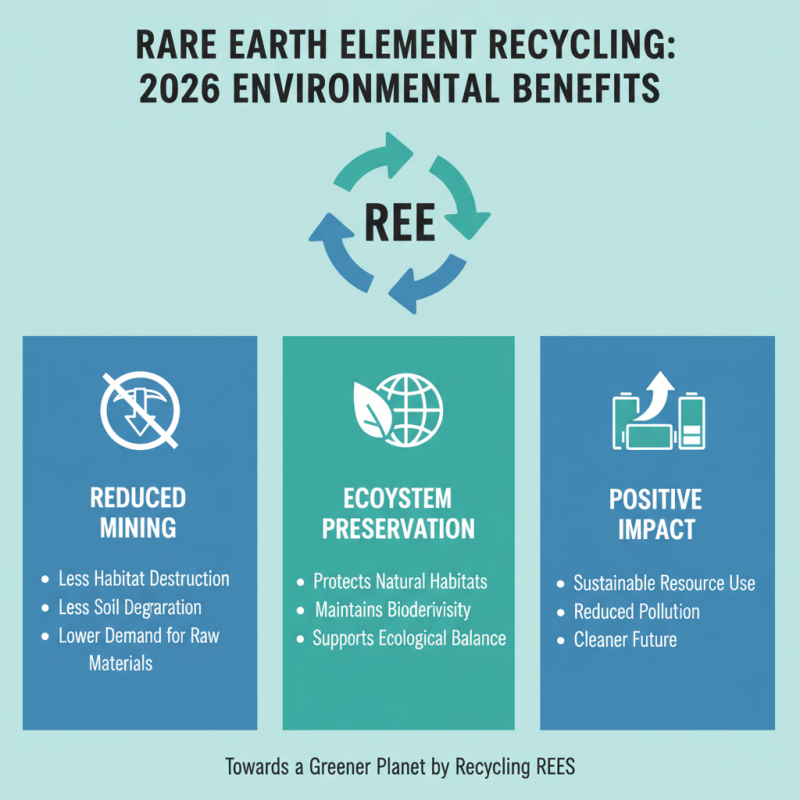
The recycling of rare earth elements (REEs) in 2026 promises significant environmental benefits. One key advantage is the reduction in mining activities. Mining often leads to habitat destruction and soil degradation. By recycling REEs, we can diminish the demand for new raw materials. This shift can preserve ecosystems and maintain biodiversity.
Another important aspect lies in energy consumption. Recycling REEs usually requires less energy than mining and refining new materials. Less energy use translates to lower carbon emissions. This is critical in the fight against climate change. However, the recycling process still has its challenges. Efficiency varies, and not all REEs are easily recoverable. Innovations in recycling technologies must prioritize overcoming these hurdles.
Waste management is also a concern. While recycling minimizes landfill waste, the process generates some byproducts. These must be managed properly to avoid pollution. Developing better recycling protocols will be essential. Overall, pursuing REE recycling not only helps the environment but also fuels a sustainable economy. Progress will require collaboration and commitment.