10 Best Rare Earth Alloy Applications You Should Know About in 2023
In the rapidly evolving landscape of technology and manufacturing, Rare Earth Alloys have emerged as critical components that enhance the performance and efficiency of a wide range of applications. According to Dr. Emily Tran, a leading expert in materials science, "Rare Earth Alloys are the unsung heroes of modern technology, providing strength and stability where conventional materials fall short." This insight underscores the significance of these alloys, which are increasingly finding their way into sectors such as renewable energy, electronics, and advanced manufacturing.
As we explore the 10 best applications of Rare Earth Alloys in 2023, it becomes evident that their unique properties—such as enhanced magnetic performance, improved thermal stability, and resistance to corrosion—make them indispensable. From high-performance magnets used in electric vehicles to specialized tools in aerospace engineering, these alloys are shaping the future of industries in ways that were once unimaginable. Understanding these applications not only highlights the versatility of Rare Earth Alloys but also their pivotal role in driving innovation and sustainability in today's world.

Overview of Rare Earth Alloys and Their Importance
Rare earth alloys are a distinct category of materials primarily composed of rare earth elements, which are known for their unique physical and chemical properties. These alloys are significant due to their ability to withstand high temperatures, resist corrosion, and deliver exceptional strength. As modern technology continues to evolve, the importance of rare earth alloys has risen dramatically, making them integral to various industries, including aerospace, electronics, and energy production.
The versatility of rare earth alloys stems from their magnetic, luminescent, and catalytic properties. In the aerospace sector, for instance, these alloys are utilized to enhance the performance of jet engines and turbines, leading to increased fuel efficiency and reduced emissions. In the electronics field, they play a crucial role in the manufacturing of high-performance magnets used in motors, speakers, and hard drives. Additionally, rare earth alloys are increasingly employed in renewable energy technologies, such as wind turbines and electric vehicle batteries, proving essential for advancing sustainable practices and reducing reliance on fossil fuels. Their significance as a foundational material in cutting-edge technology underscores the pivotal role they will continue to play in shaping the future of multiple industries.
10 Best Rare Earth Alloy Applications You Should Know About in 2023
| Application |
Description |
Key Benefits |
Common Alloys Used |
| Electric Motors |
Used in electric vehicles and industrial motors for high efficiency. |
Increased torque, improved energy density. |
Neodymium-Iron-Boron (NdFeB) |
| Batteries |
Used in lithium-ion batteries to enhance performance. |
Longer life, faster charging times. |
Lanthanum, Cerium |
| Magnets |
Used in a variety of applications, from speakers to hard drives. |
High magnetic strength, compact size. |
SmCo, NdFeB |
| Phosphors |
Enhancing the color and brightness in displays. |
Improved image quality, energy efficiency. |
Europium, Terbium |
| Catalysts |
Used in refining processes to improve conversion rates. |
Increased efficiency, reduced waste. |
Cerium compounds |
| Aerospace Components |
Used in lightweight alloys for aircraft. |
Weight reduction, enhanced strength. |
Yttrium, Hafnium |
| Medical Imaging |
Used in MRI machines for improved imaging fidelity. |
Better image clarity, enhanced diagnostics. |
Gadolinium |
| Glass Production |
Used to improve the properties of glass. |
Enhanced color, durability. |
Lanthanum, Cerium |
| Nuclear Technologies |
Used in various reactors and nuclear applications. |
Enhanced safety, efficacy in energy generation. |
Neodymium, Yttrium |
| Renewable Energy Technologies |
Used in equipment that harnesses solar and wind energy. |
Increased efficiency, better energy output. |
Samarium, Neodymium |
Key Properties of Rare Earth Alloys Driving Modern Applications
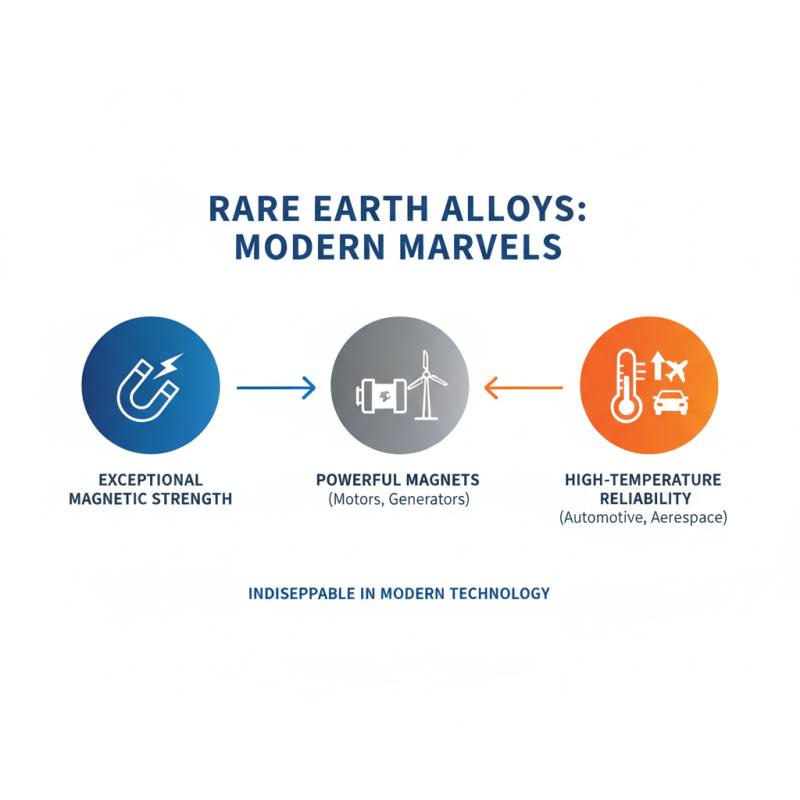
Rare earth alloys possess unique properties that make them indispensable in various modern applications. One of their most significant characteristics is their exceptional magnetic strength. This property enables the creation of powerful magnets used in electric motors, generators, and various consumer electronics. The ability to maintain magnetic performance at high temperatures also enhances their utility in automotive and aerospace industries, where reliability under extreme conditions is crucial.
Another key property of rare earth alloys is their resistance to corrosion and oxidation. This durability allows these materials to endure harsh environments, making them ideal for applications in marine engineering and other settings where exposure to water and air can lead to material degradation. Additionally, rare earth alloys exhibit excellent thermal stability, which is essential for high-performance applications, such as in nuclear reactors and advanced electronic components. These combined characteristics not only drive their usage in cutting-edge technologies but also position rare earth alloys as critical materials for innovation across multiple sectors in the modern economy.
Top Industries Utilizing Rare Earth Alloys in 2023
In 2023, various industries are increasingly turning to rare earth alloys due to their unique properties that enhance performance and efficiency. One of the most prominent sectors utilizing these alloys is the automotive industry. With the ongoing shift towards electric vehicles, rare earth alloys play a crucial role in manufacturing components like motors and batteries, improving energy density and driving range. These advanced materials contribute to lightweight, durable structures that are vital for modern car designs, ensuring safety and sustainability.
Another significant application can be seen in the renewable energy sector. Wind turbines and solar panels benefit from rare earth alloys in their magnets and conductive materials, leading to improved energy conversion and efficiency. As the world pushes for greener energy solutions, these alloys enable the development of more efficient technology that harnesses and converts natural energy sources effectively. The aerospace industry is also leveraging rare earth alloys, particularly in lightweight structural components that withstand extreme conditions, ensuring both performance and safety in flight.
Innovative Technologies Leveraging Rare Earth Alloys
Rare earth alloys have increasingly become a cornerstone in various high-tech industries, thanks to their unique properties that enhance performance and efficiency.
In the field of renewable energy, for instance, rare earth elements are crucial in the production of powerful magnets used in wind turbines and electric motors.
According to a report by the International Energy Agency (IEA), the integration of rare earth alloy-based components can improve the energy efficiency of wind turbines by up to 20%, significantly amplifying their output and reducing the overall material waste.
Another innovative application of rare earth alloys is found in the aerospace sector, where lightweight and high-strength materials are paramount.
Recent studies indicate that the implementation of rare earth alloys can reduce aircraft weight by approximately 10%, leading to lower fuel consumption and emissions.
This reduction is particularly vital, considering that the aerospace industry accounts for nearly 2-3% of global carbon emissions.
Furthermore, the use of rare earth alloys in the manufacturing of advanced batteries plays a pivotal role in enhancing energy density and charge cycles, thereby contributing to the growing demand for electric vehicles and portable electronics.
Data from the U.S. Geological Survey highlights that rare earth compounds are critical in developing next-generation battery technologies, paving the way for a more sustainable future.
Future Trends and Developments in Rare Earth Alloy Applications
The future of rare earth alloy applications is poised for significant advancements, driven by ongoing research and technological innovations. As industries increasingly seek efficient and sustainable solutions, rare earth alloys are becoming integral in sectors such as renewable energy, automotive, and electronics. The push towards electric vehicles, for instance, has spurred the development of high-performance magnets made from rare earth materials, which enhance efficiency and reduce energy consumption.
Moreover, the demand for lightweight and durable materials in aerospace is likely to drive further exploration of rare earth alloys, enabling manufacturers to create components that withstand extreme conditions while minimizing weight.
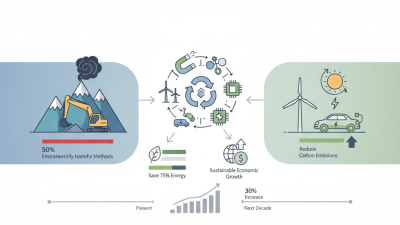
In addition to existing applications, emerging trends in recycling and material recovery are essential for the future of rare earth alloys. As awareness of resource scarcity grows, companies are investing in technologies to reclaim rare earth elements from end-of-life products and industrial waste. This recycling not only reduces dependence on mining but also addresses environmental concerns associated with rare earth extraction. Furthermore, collaborative efforts among industries and researchers aim to optimize the alloy compositions for specific applications, enhancing both performance and sustainability. These developments signal a promising trajectory for rare earth alloys, fostering innovation while promoting responsible resource use in a rapidly evolving market.