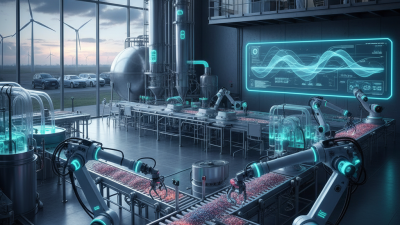
The importance of Rare Earth Elements (REEs) recycling is increasingly recognized in today's business environment. According to a report by the International Energy Agency, the demand for REEs is projected to grow significantly, driven by their critical role in technology and renewable energy sectors. This growth presents both an opportunity and a challenge for businesses.
Rare Earth Elements Recycling can significantly reduce costs associated with raw material extraction. Mining REEs is often environmentally damaging and pricey. The World Bank highlights that recycling can decrease energy consumption by up to 90%. This shift not only benefits the planet but also companies' bottom lines. However, many firms lack the infrastructure for effective recycling practices. This gap leads to lost potential and profit.
The recycling process helps establish a circular economy, fostering sustainability while minimizing waste. Despite the clear advantages, some businesses remain hesitant. They might be unsure of the reliability and quality of recycled materials. Embracing Rare Earth Elements Recycling is essential for staying competitive in an evolving market. Ultimately, the successful integration of recycling practices will require a mindset shift across industries.

Rare earth elements (REEs) are critical in many modern industries. These elements are vital for producing electronics, batteries, and magnets. Their unique properties enhance performance in various applications, from smartphones to renewable energy technologies. Mining these elements is resource-intensive and environmentally damaging. This raises the importance of recycling REEs.
Businesses can benefit significantly from recycling rare earth elements. By reusing existing materials, companies can reduce waste and conserve natural resources. This practice also lowers production costs over time. Investing in recycling technologies increases resource efficiency. More efficient processes lead to better product sustainability, increasing brand reputation.
Tip: Consider establishing partnerships with recycling firms specializing in rare earth elements. This collaboration can create a network that improves overall resource management. Check for local recycling programs that accept electronics containing REEs. These small steps can lead to significant change.
Recycling REEs is not without challenges. The technology for efficient recovery is still developing. Companies might find it difficult to implement these practices at scale. Awareness and education are crucial in overcoming these barriers. Emphasizing the environmental impact of continued mining can motivate businesses to invest in recycling initiatives.
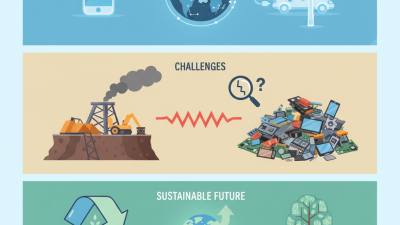
The recycling of rare earth elements (REEs) involves distinct steps that help recover valuable materials. This process starts with collection. Discarded electronics, like smartphones and laptops, serve as primary sources. These devices contain neodymium, dysprosium, and many other crucial elements. Sorting these materials can be challenging. Identification of specific metals requires advanced techniques.
After sorting, the extraction phase begins. This often includes chemical treatments to separate the REEs from unwanted substances. Methods like hydrometallurgical extraction are common. However, these techniques may have limitations. They can produce toxic waste, which raises environmental concerns. Businesses must weigh the benefits of recycling against potential environmental impacts.
Post-extraction, purification follows. This stage is vital for ensuring the quality of recycled elements. Impurities can affect the performance of new products. Yet, achieving high purity is not always guaranteed. Ongoing research aims to refine these processes. Improvement is needed to enhance efficiency. Each step in REE recycling presents both opportunities and challenges for businesses. Emphasizing sustainable practices is crucial for future advancements in this sector.
Recycling rare earth elements offers significant economic benefits for businesses. These elements are critical in technology, renewable energy, and electronics. By investing in recycling, companies tap into a sustainable resource pool. This reduces reliance on mining, which can be costly and environmentally damaging.
Businesses can save on material costs. Recycling rare earth elements allows companies to reclaim valuable materials. These materials can then be repurposed for production. In turn, this leads to lower expenses and increased profit margins. Additionally, recycling supports job creation in specialized fields. Companies often require skilled workers to manage recycling processes, boosting local economies.
Tip: Implement a recycling program. Start small but be consistent. Track your savings. This can motivate your team to participate fully.
Exploring partnerships with recycling firms is beneficial. Such collaborations can enhance efficiency and ensure compliance with regulations. Companies gain expertise and resources that might be unavailable in-house. This approach can streamline operations. It often leads to innovative solutions. Keep an open mind. Remember, exploration in recycling can reveal unexpected advantages.
Recycling rare earth elements (REE) offers significant environmental benefits. As industries increasingly embrace sustainability, the importance of managing electronic waste grows. According to the United Nations, around 50 million metric tons of e-waste is generated each year. Much of this waste contains rare earth elements. By recycling these materials, businesses help reduce landfill contributions.
Moreover, recycling REEs minimizes resource depletion. For example, extracting just one ton of rare earths from virgin materials can require over 200 tons of ore. This process not only depletes natural resources but also has environmental repercussions, such as habitat destruction and increased carbon emissions. A study by the International Journal of Environmental Science indicated that recycling can cut greenhouse gas emissions by up to 90% compared to traditional mining.
However, challenges remain. The recycling process can be complex and inefficient. Businesses may face high initial costs or lack access to advanced recycling technologies. Despite this, the potential environmental benefits are immense. Maximizing the recycling of rare earth elements can lead to a more sustainable industry. Companies that prioritize this practice commit to reducing waste while conserving precious resources.
| Benefit | Description | Environmental Impact | Economic Impact |
|---|---|---|---|
| Waste Reduction | Minimizes landfill waste by recycling existing materials. | Decreases environmental pollution. | Lowers disposal costs. |
| Resource Conservation | Reduces the need for new resource extraction. | Preserves natural habitats. | Decreases supply chain risks. |
| Energy Savings | Recycling uses less energy than mining new materials. | Reduces carbon footprint. | Lowers production costs over time. |
| Job Creation | Increases demand for recycling services. | Encourages local economic stability. | Potential growth in green technologies. |
| Reduced Toxic Waste | Minimizes hazardous materials in the environment. | Protects ecosystems from harmful effects. | Potential reduction in regulatory costs. |
| Sustainable Development | Supports a circular economy model. | Encourages responsible resource use. | Enhances brand reputation. |
| Innovation Opportunities | Fosters new technologies for recovery and processing. | Improves recycling efficiency. | Creates potentially profitable ventures. |
| Supply Chain Security | Reduces reliance on foreign materials. | Enhances national security in resource availability. | Stabilizes costs and availability of inputs. |
| Regulatory Compliance | Helps meet environmental regulations. | Lowers risk of fines and penalties. | Enhances operational efficiencies. |
| Consumer Demand | Increases appeal to environmentally-conscious consumers. | Supports sustainable brand initiatives. | Potentially boosts sales and customer loyalty. |
Corporate responsibility increasingly emphasizes sustainable practices, especially in rare earth elements (REE) recycling. Businesses that adopt effective recycling methods can enhance regulatory compliance. Reports indicate that the global REE recycling market was valued at approximately $3 billion in 2020 and is projected to grow significantly. Meeting environmental regulations can mitigate financial penalties and improve public perception.
In the face of stringent regulations, companies must take proactive measures to align with sustainability goals. Effective recycling reduces the need for virgin material extraction, which often leads to environmental degradation. A study by the U.S. Environmental Protection Agency highlights that recycling saves up to 95% of the energy required for new production. Companies engaged in meaningful recycling efforts are better positioned to gain trust from stakeholders.
However, challenges remain. For many businesses, establishing efficient recycling programs can seem daunting. There are also costs associated with implementing these initiatives. Companies may struggle with ensuring compliance without sacrificing operational efficiency. Despite these obstacles, the long-term benefits of enhanced corporate responsibility and compliance are substantial.