Top 10 China Rare Earth Ndfeb Permanent Magnet Suppliers?
Rare Earth Ndfeb Permanent Magnets have become pivotal in various industries, from electronics to renewable energy. Their unique magnetic properties arise from the advanced materials involved in their production. This has led to a growing demand for reliable suppliers, especially in China, which dominates the market.
Understanding the landscape of Rare Earth Ndfeb Permanent Magnet suppliers is essential for businesses seeking quality and efficiency. These magnets offer high performance, but not all suppliers uphold the same standards. Some may promise the best prices but fall short in quality control.
In this exploration, we will highlight the top suppliers in China. We aim to identify those who excel in both performance and reliability. While many companies claim expertise, it’s crucial to assess their track records. Finding the right partner can make a significant difference in project outcomes. We'll delve into the complexities of choosing a supplier in this specialized field.

Top 10 Suppliers of NdFeB Permanent Magnets in China's Rare Earth Industry
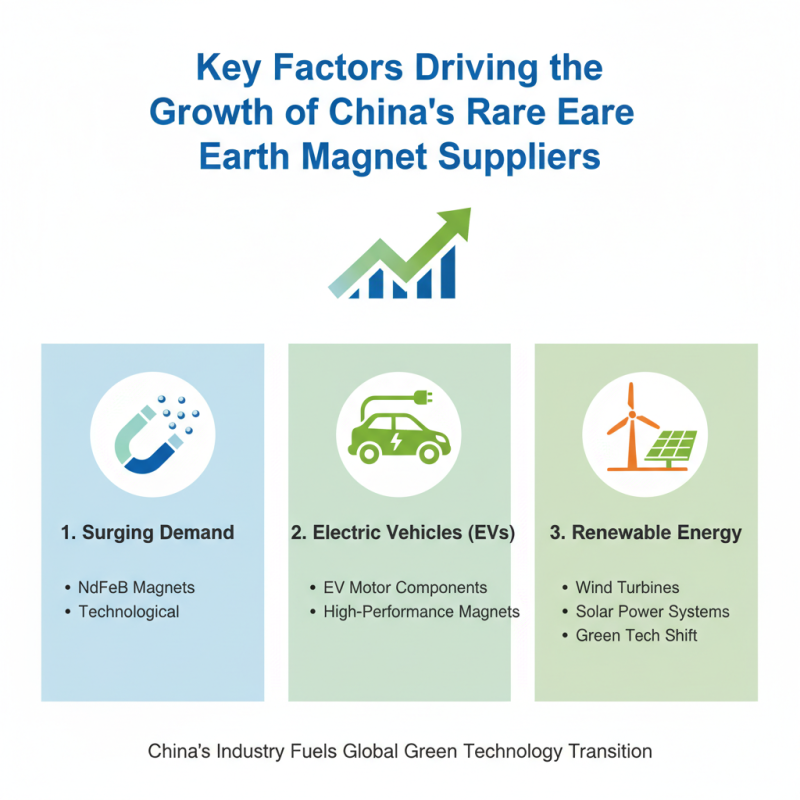
The rare earth industry in China plays a crucial role in supplying NdFeB permanent magnets. These magnets are essential for various applications, including electric vehicles, aerospace, and energy-efficient technologies. According to recent industry reports, the global NdFeB permanent magnet market is projected to grow significantly, driven by increasing demand for renewable energy solutions and advanced electronics.
Among the top suppliers, many manufacturers are focusing on enhancing their production capabilities. For instance, innovative techniques are being developed to improve magnet strength and efficiency. The market is witnessing a shift towards more sustainable production methods. However, many suppliers still face challenges related to scalability and environmental management.
It is important to note that the reliance on rare earth elements can create vulnerabilities in the supply chain. Geopolitical factors and trade policies can significantly impact the availability of these resources. As we move forward, suppliers will need to balance production demands with responsible sourcing practices. The path ahead is complex, yet vital for the growth of industries reliant on NdFeB magnets.
Overview of the Global NdFeB Permanent Magnet Market Landscape
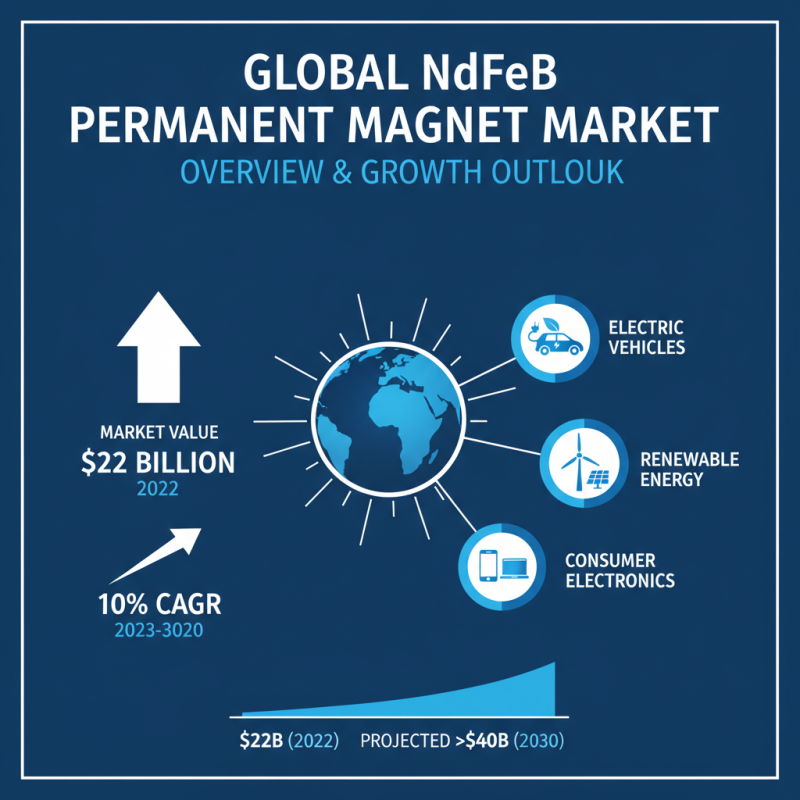
The global NdFeB (Neodymium-Iron-Boron) permanent magnet market continues to grow rapidly. According to recent industry reports, the market was valued at approximately $22 billion in 2022. Experts project a compound annual growth rate (CAGR) of about 10% through 2030. This growth is driven by rising demand in sectors such as electric vehicles, renewable energy, and consumer electronics.
China plays a dominant role in the NdFeB magnet supply chain. Reports indicate that over 70% of global production happens in China. This concentration gives Chinese suppliers an edge in pricing and production capacity. Factors like technological advancements and economies of scale contribute to their competitive advantage. Yet, the industry faces challenges, including fluctuating raw material prices and environmental regulations.
Quality and sustainability remain critical. Despite the growth, concerns about the environmental impact of mining rare earth elements linger. Sustainable practices are becoming essential for suppliers. As the demand for cleaner technologies increases, so does the pressure for responsible sourcing. Continuous improvement in eco-friendly processes will be vital for future growth. The landscape is complex, and suppliers must adapt to changing dynamics.
Analysis of Revenue and Production Capacities of Leading NdFeB Suppliers
The global market for NdFeB permanent magnets is growing rapidly. Key suppliers play a crucial role in this industry. Their revenue and production capacities shape the availability of these essential materials. Understanding these dynamics is vital for various sectors, including electronics, automotive, and renewable energy.
Leading suppliers often have substantial production capabilities. This allows them to meet the increasing demand. Studies reveal that some manufacturers operate with annual outputs exceeding several thousand tons. In contrast, smaller companies might struggle with limited resources. This imbalance highlights the competitive landscape within the sector.
Revenue generation varies significantly among suppliers. Larger firms usually see greater profits due to scale and efficiency. However, smaller entities may offer unique innovations and specialized services. This diversity can foster healthy competition. Activities like mergers or partnerships can influence market dynamics, often resulting in unexpected shifts. These factors all contribute to a complex and evolving industry that continues to adapt to technological advancements.
Technological Innovations Influencing NdFeB Magnet Production in China
Technological innovations are reshaping NdFeB magnet production in China. Advanced manufacturing processes are improving efficiency and reducing costs. Automation plays a key role in enhancing precision. It allows for better control of material consistency. Higher consistency leads to stronger magnets, which are crucial in various applications.
3D printing has emerged as a game-changer. It enables the creation of complex geometries that traditional methods struggle to achieve. This technology also minimizes material waste. However, challenges remain in scaling these innovations for mass production. The balance between innovation and reliability is critical.
Research into alternative materials is ongoing. This could reduce dependence on scarce resources. Sustainability is becoming increasingly important in the industry. As factories adopt greener practices, it is vital to address potential shortcomings in the supply chain. Continuous improvement in processing techniques is necessary for future success.
Top 10 China Rare Earth Ndfeb Permanent Magnet Suppliers
| Rank |
Supplier Type |
Annual Production Capacity (tons) |
Market Share (%) |
Key Technological Innovations |
| 1 |
Manufacturer A |
10,000 |
25 |
Nanocrystalline Technology |
| 2 |
Manufacturer B |
9,000 |
20 |
Grain Boundary Diffusion |
| 3 |
Manufacturer C |
8,500 |
15 |
Augmented Composite Materials |
| 4 |
Manufacturer D |
7,000 |
10 |
High-Performance Coatings |
| 5 |
Manufacturer E |
6,000 |
8 |
Enhanced Alloy Formulation |
| 6 |
Manufacturer F |
5,500 |
7 |
Layered Magnet Structures |
| 7 |
Manufacturer G |
5,000 |
6 |
3D Printing Techniques |
| 8 |
Manufacturer H |
4,500 |
5 |
Eco-Friendly Extraction Processes |
| 9 |
Manufacturer I |
4,000 |
4 |
Modular Magnet Design |
| 10 |
Manufacturer J |
3,500 |
3 |
Smart Magnet Integration |
Conclusion
The article provides an in-depth analysis of the top suppliers of Rare Earth NdFeB Permanent Magnets within China's growing rare earth industry. It explores the global market landscape, highlighting the increasing demand and robust competition among suppliers. Key factors driving the growth of these suppliers include advancements in technology, rising applications across various industries, and a shift towards more sustainable production practices.
Additionally, the piece examines the revenue and production capacities of leading NdFeB suppliers and discusses the technological innovations that are shaping their manufacturing processes. However, the industry also faces significant environmental and regulatory challenges, which could impact future growth. Overall, the article underscores the pivotal role of Rare Earth NdFeB Permanent Magnets in both domestic and global markets, while also addressing the complexities confronting suppliers in this dynamic sector.