China Top Rare Earth Material Sources and Their Global Impact?
In the rapidly evolving landscape of global industries, rare earth materials play a crucial role. These essential minerals are key components in advanced manufacturing, electronics, and renewable energy technologies. Dr. Emily Chen, a noted expert in the Rare Earth Material sector, once stated, "The future of technology largely depends on our access to rare earth elements." China, as a dominant supplier, influences market dynamics worldwide.
The impact of China's rare earth materials extends far beyond its borders. As industries rely on these resources, the potential for geopolitical tensions arises. Nations are beginning to assess risks associated with over-dependence on Chinese supplies. The recent advancements seen at the 139th Canton Fair reflect this urgency. An AI-driven search for compliant suppliers illustrates a burgeoning awareness of the importance of diversification in sourcing rare earth materials.
Yet, relying heavily on these materials poses challenges. Environmental concerns linger due to mining practices. Sustainable approaches must be developed, balancing industry needs with ecological responsibility. The journey towards a greener future hinges on rethinking how we harness and protect our rare earth resources.
China's Dominance in Rare Earth Material Production
China's dominance in rare earth material production is striking. The country controls a significant portion of the world's supply, impacting various industries. These materials are crucial for electronics, renewable energy, and advanced manufacturing.
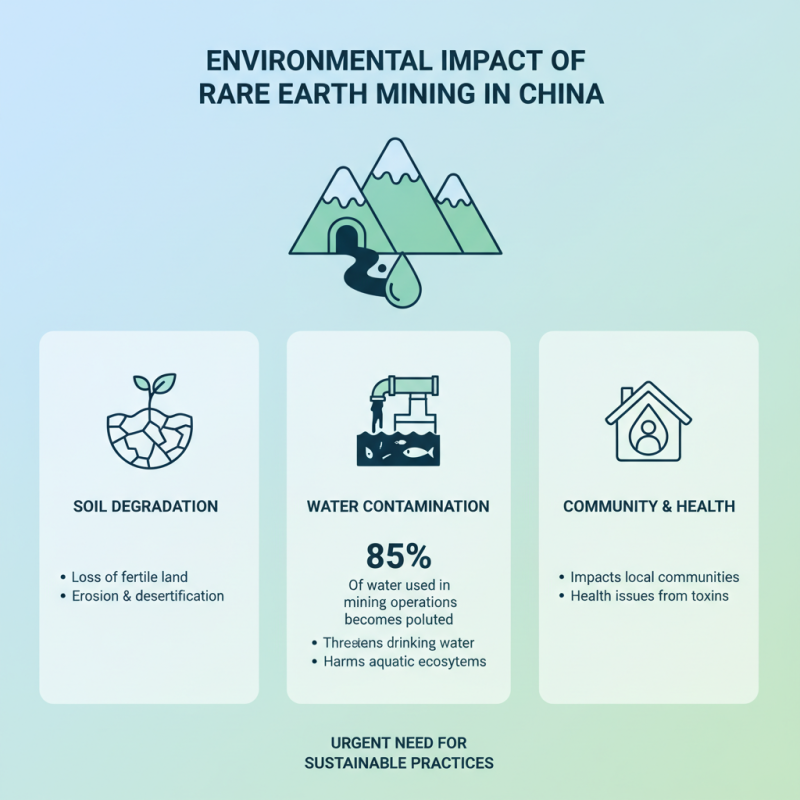
However, this dominance comes at a cost. Mining and processing rare earths can cause severe environmental damage. Water pollution and soil degradation are common issues. Many communities near mining sites face health risks. The long-term sustainability of this industry raises questions.
China's strategic control over rare earths also influences global politics. Other nations depend heavily on these materials for technological advancements. Tensions can arise over resource access. This dependence could lead to economic vulnerabilities. Nations must explore alternative sources and sustainable practices. Let’s rethink how we manage these valuable resources.
China's Dominance in Rare Earth Material Production
Key Rare Earth Elements and Their Applications
Rare earth elements (REEs) are vital for modern technology. They play essential roles in electronics, renewable energy, and military applications. These materials are critical in smartphones, electric vehicles, and wind turbines. Their unique properties enable high-performance components that drive innovation.
China dominates the global supply of these materials. It produces around 60% of the world's rare earth elements. This position gives China significant leverage in the market. Other countries rely heavily on Chinese exports for these crucial materials. This situation raises questions about supply chain stability and geopolitical implications.
Certain applications highlight the importance of rare earth elements. For instance, neodymium is vital for powerful magnets in motors. dysprosium enhances the performance of these magnets at high temperatures. These elements are not only useful but also limited. The extraction processes can harm the environment. Balancing resource demand and environmental impact is a constant challenge. More sustainable practices are needed to ensure long-term viability.
Environmental Impact of Rare Earth Mining in China
Rare earth mining in China poses significant environmental challenges. The extraction process often leads to soil degradation and water contamination. For instance, studies indicate that up to 85% of the water used in mining operations becomes polluted. This pollution affects local communities, threatening their water supply.
Rare earth elements are crucial for technology and renewable energy. However, the mining process releases harmful emissions. In 2020, Chinese mines were reported to have emitted over 700,000 tons of sulfur dioxide. This pollution contributes to acid rain, endangering crops and ecosystems. The impact is not just local; it has global consequences as emissions contribute to climate change.
The mining industry in China often prioritizes economic gain over environmental health. Remediation efforts are insufficient. Only 20% of contaminated areas have undergone restoration. Communities continue to suffer the fallout from past mining practices. This ongoing situation calls for a reevaluation of policies and practices in rare earth mining.
Global Supply Chain Implications of China's Rare Earth Control
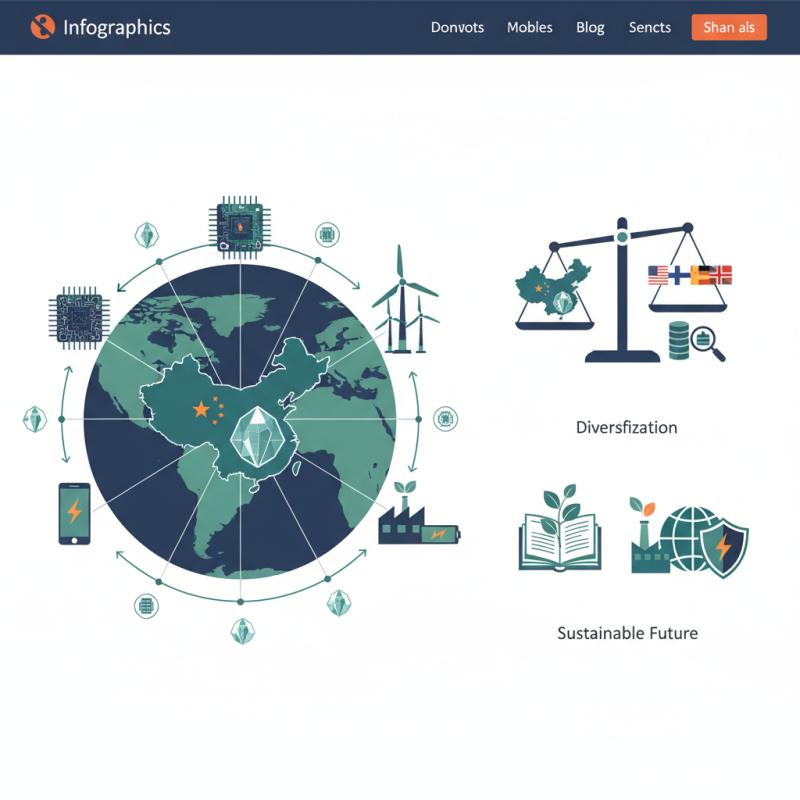
China's dominance in the rare earth material supply chain presents profound implications for global markets. According to a recent industry report, approximately 60% of the world’s rare earth supply comes from China. This substantial control allows China to influence prices and availability significantly. When supply disruptions occur, manufacturers across various industries face immediate challenges. The automotive and renewable energy sectors, heavily reliant on these materials, are particularly vulnerable.
Market analysts have noted that over-reliance on a single source can lead to instability. Some manufacturers are now reconsidering their supply strategies. They are exploring alternative materials and sources, but these transitions take time. For instance, replacing neodymium in wind turbines with a different magnet material is not straightforward. New technologies and investments are necessary to facilitate this shift.
The geopolitical landscape is also affected. Countries are seeking to diversify their rare earth supplies to mitigate risks. This transition may involve significant investment and time. The global industry currently stands at a crossroads. Rethinking reliance on China could yield a more balanced supply chain but invites further complications. The path forward is complex and demands careful navigation.
Geopolitical Tensions Related to Rare Earth Resources in China
Geopolitical tensions around rare earth resources in China are escalating. China holds approximately 37% of the world’s rare earth reserves. These minerals are crucial for many high-tech industries. The competition for these resources can lead to conflicts among nations. For example, in 2021, tensions surged between China and the United States regarding trade restrictions on rare earth materials.
China's dominance raises concerns for other countries. Many nations rely heavily on Chinese exports for essential materials like neodymium and dysprosium. In recent years, Western countries have begun to diversify their supply chains. The European Union reported a 30% increase in investment for alternative sources of rare earth materials in 2022. However, the transition is slow and challenging.
Efforts to source rare earth materials from other regions face hurdles. Environmental concerns often arise during mining operations. Moreover, establishing new supply chains takes time. A recent market analysis highlights that global demand for rare earth elements is expected to grow by 8% annually. The pressure to secure these resources intensifies, leading to a complex landscape of cooperation and rivalry among nations.