Leave Your Message

How to Source Rare Earth Magnets Globally in 2026?

Sourcing Rare Earth Magnets globally in 2026 requires more than comparing unit prices. Buyers must connect technical specifications with supply-chain evidence, production capacity, and responsible procurement practices. A magnet may look perfect on a datasheet, yet perform poorly after coating, machining, or exposure to heat. Small details matter.

Dr. Masato Sagawa, a pioneer of neodymium-iron-boron magnet technology, has said, “The performance of a magnet depends not only on its composition, but also on its microstructure.” This principle should guide every supplier evaluation. Ask for grade data, maximum operating temperature, coating details, dimensional tolerances, and batch-level test reports. Confirm whether the producer manufactures the magnets or only resells them. That distinction can affect consistency, communication, and recovery when problems appear.

In 2026, serious buyers should also examine origin documentation, environmental controls, labor practices, and export requirements. Traceability is not decoration. It protects production planning. A shipment delayed at customs can stop an assembly line containing thousands of components. Dual sourcing may reduce that risk, but it can create unexpected differences between suppliers. Same grade does not always mean identical behavior.

Factory audits, sample testing, and third-party verification remain valuable. Still, no sourcing model is perfect. Forecasts change. Prices move. Specifications are sometimes incomplete. A practical strategy leaves room for correction, not just confidence. This guide explains how to identify capable suppliers, compare real total costs, validate magnet quality, and build a more resilient global purchasing process for Rare Earth Magnets.

How to Source Rare Earth Magnets Globally in 2026?

Understanding Rare Earth Magnets and Their Global Supply Chains

How to Source Rare Earth Magnets Globally in 2026?

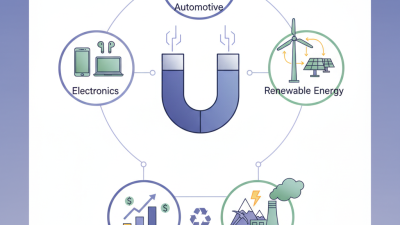
Rare earth magnets depend on a concentrated, multi-stage supply chain. Mining, separation, alloying, coating, magnetizing, and testing often occur in different locations.

390,000
metric tons of rare earth oxide equivalent mined globally in 2024
270,000
metric tons produced by China

The USGS Mineral Commodity Summaries 2025 reported approximately 390,000 metric tons of rare earth oxide equivalent mined globally in 2024. China produced about 270,000 metric tons, showing the supply chain’s continued geographic concentration. However, mined material is only the beginning. Processing capacity and magnet manufacturing can create larger sourcing risks.

The International Energy Agency’s Global Critical Minerals Outlook 2025 estimated that China represented about 91% of refined magnet rare earth output and 94% of permanent magnet production in 2024.

91%
of refined magnet rare earth output
94%
of permanent magnet production

These figures matter when comparing suppliers. A lower purchase price may hide longer transport routes, limited alternative capacity, or uncertain material traceability.

Ask for batch-level inspection reports, magnetic performance data, coating specifications, and production lead times. Request evidence of recycling content when relevant. I have found that sample approval alone is insufficient; production consistency can change after several months.

Tips:

Build two qualified supply routes before placing large orders. Compare coercivity, remanence, temperature ratings, corrosion resistance, and packaging requirements. Keep a small safety stock near the assembly site. Also, challenge every “guaranteed” delivery promise. It may not survive a sudden export rule, port delay, or energy shortage.

Defining Technical Requirements and Quality Standards

How to Source Rare Earth Magnets Globally in 2026?
A reliable sourcing plan begins with a precise technical specification. State the magnet grade, shape, dimensions, tolerances, magnetization direction, and maximum working temperature. For NdFeB magnets, request Br, Hcb, Hcj, and BHmax values, not only a grade label. Coating choice must match humidity, salt spray, chemicals, and assembly pressure. Nickel-copper-nickel may suit dry indoor equipment, while epoxy can offer stronger environmental protection. Small details matter.
The IEA’s Global Critical Minerals Outlook 2025 reports that China represents about 91% of refined rare earth output and 94% of permanent magnet production. This concentration increases supply-chain exposure.
The USGS Mineral Commodity Summaries 2025 estimated global rare-earth mine production at 390,000 metric tons of rare-earth-oxide equivalent in 2024. However, mining data does not guarantee magnet quality. Buyers should audit traceability from alloy production to final inspection.
Use a written quality plan with agreed sampling levels, calibrated gaussmeter results, dimensional reports, coating-thickness readings, and pull-force tests. Ask for lot numbers and independent test records. Define acceptance limits before production starts. A first-article inspection can reveal hidden problems, such as uneven plating or incorrect polarity. I have seen specifications fail because “high temperature” lacked a defined operating range. That wording is too vague. Standards help, but they do not replace practical verification. Even a perfect certificate may miss damage caused during packaging or sea transport.

Identifying and Evaluating International Magnet Suppliers

How to Source Rare Earth Magnets Globally in 2026?

Identifying a reliable international magnet supplier starts with technical clarity. Define the grade, shape, dimensions, tolerance, coating, and operating temperature before requesting quotations. A supplier should explain remanence, coercivity, maximum energy product, and temperature coefficients in practical terms. Vague answers deserve caution.

Request representative samples from at least three suppliers. Measure dimensions with calibrated tools, then test magnetic performance under controlled conditions. Check the surface coating after humidity exposure, especially for magnets used near water or chemicals. Review material traceability, inspection records, production capacity, and quality-control procedures. Factory videos help, but an independent audit provides stronger evidence. Ask how rejected batches are handled.

Price is only one part of supplier evaluation. Compare lead times, packaging quality, communication speed, payment terms, and shipping responsibilities. A low quotation may hide inconsistent tolerances or weak corrosion protection. I once treated a polished sample as proof of stable production. That judgment was too quick. Batch-to-batch data would have been more useful.

Use a scorecard with weighted technical, commercial, and operational criteria. Verify certificates directly and confirm that test reports match the exact material and batch. Ask for a small pilot order before committing to regular volume. No scorecard is perfect. Supplier evaluation needs repeated evidence, not one impressive conversation.

How to Source Rare Earth Magnets Globally in 2026?

Identifying and Evaluating International Magnet Suppliers

This comparison shows estimated 2024 rare-earth mine production by country in metric tons of rare-earth-oxide equivalent. Production volume can indicate upstream material availability, but supplier evaluation should also consider magnet-grade separation capacity, NdFeB manufacturing capability, heavy rare-earth access, export controls, lead time, quality certification, and supply-chain resilience.

Source: U.S. Geological Survey, Mineral Commodity Summaries 2025. Figures are estimates and do not represent individual companies or finished-magnet output.

Managing Compliance, Logistics, Pricing, and Supply Risks

How to Source Rare Earth Magnets Globally in 2026?

Global magnet sourcing now requires more than comparing unit prices. Buyers should verify supplier registration, production capability, material declarations, and recent test reports. Ask for composition data, coating specifications, pull-force results, and dimensional tolerances. Independent testing can confirm that samples match mass-production lots. It costs more, but one failed batch can delay an assembly line for weeks.

Compliance needs attention before purchase orders are issued. Screen suppliers and logistics partners against applicable sanctions and export-control requirements. Confirm customs classifications, origin documents, labeling rules, and chemical restrictions in each destination market. Some air carriers apply specific packaging rules for strong magnets. A freight forwarder should review magnetic-field measurements before booking. Small paperwork errors can trigger inspections or storage charges.

Pricing remains difficult to predict. Rare-earth input costs can shift quickly, so request a clear formula, quotation validity period, currency, and adjustment mechanism. Avoid relying on one supplier or one country. Qualify a second source, but do not assume identical performance. Manufacturing methods may change coercivity, plating life, or temperature resistance. Keep safety stock based on actual consumption, lead-time history, and port performance. My own planning mistake was treating quoted lead time as dependable; production queues and customs delays proved otherwise. Leave room for that uncertainty.

How to Source Rare Earth Magnets Globally in 2026? — Managing Compliance, Logistics, Pricing, and Supply Risks
Magnet Type Typical Energy Product Typical Maximum Working Temperature Indicative 2026 Price Range
(USD/kg)
Typical Production Lead Time Main Compliance Considerations Logistics Requirements Primary Supply Risk
Neodymium-Iron-Boron
(NdFeB)
Approximately 30–52 MGOe, depending on grade, temperature rating, coating, and tolerances. Approximately 80–230°C. High-temperature grades require additional material and validation controls. Approximately $45–$140/kg for standard industrial material. High-purity, high-temperature, or tightly toleranced products can cost more. 8–16 weeks for standard specifications; 12–24 weeks for new tooling, special coatings, or customized assemblies. Verify chemical declarations, restricted-substance compliance, origin documentation, export-control requirements, and end-use screening. Check whether the origin or destination jurisdiction requires an export licence. Magnetized shipments may require magnetic-field testing, special packing, warning labels, and carrier approval. Air shipments must be assessed under applicable dangerous-goods rules. High: concentrated upstream processing, rare-earth price volatility, export-policy changes, and production-allocation risk.
Samarium-Cobalt
(SmCo)
Approximately 16–32 MGOe, with strong performance at elevated temperatures. Approximately 250–350°C, depending on grade and design conditions. Approximately $80–$250/kg. Cobalt content, material purity, geometry, and demand conditions materially affect cost. 10–20 weeks for standard products; 16–28 weeks for aerospace, high-temperature, or special-tolerance applications. Confirm cobalt-related supply-chain due diligence, restricted-substance declarations, export-control status, and traceability of raw materials and processing locations. Use protective packaging because SmCo is brittle. Prevent chipping, corrosion, and uncontrolled attraction to ferrous cargo or handling equipment. High: cobalt-price exposure, limited qualified production capacity, and brittle-material scrap risk.
Hard Ferrite Approximately 1–4.5 MGOe. Lower magnetic performance but widely available and economical. Approximately 180–300°C, depending on formulation and application requirements. Approximately $2–$8/kg for common industrial grades, excluding complex machining and assemblies. 6–12 weeks for standard shapes; 10–18 weeks for customized tooling or large-volume orders. Confirm product composition, RoHS and REACH declarations where applicable, tariff classification, and destination-market labelling obligations. Generally easier to ship than high-performance rare-earth magnets, but brittle parts still require impact protection and moisture control. Low to medium: relatively broad raw-material availability, but energy, ceramic-processing, and freight costs can affect supply.
Aluminium-Nickel-Cobalt
(AlNiCo)
Approximately 1.5–14 MGOe, depending on alloy, orientation, and manufacturing route. Approximately 450–550°C for many grades, subject to design and demagnetization conditions. Approximately $35–$120/kg. Alloy chemistry, casting or sintering route, machining, and nickel or cobalt exposure influence pricing. 8–18 weeks for standard items; 14–24 weeks for castings, special shapes, or low-volume production. Review alloy declarations, nickel-related restrictions, product safety requirements, origin records, and applicable customs classification. Protect machined surfaces from corrosion and impact. Magnetic-field controls may still be required for air transport when products are magnetized. Medium: alloying-metal price movements, lower production scale, and longer tooling cycles.
Custom Magnet Assembly Determined by the selected magnet material, steel circuit, pole design, adhesive, and operating environment. Limited by the lowest-rated component, adhesive, coating, insulation, or electronic element in the assembly. Typically 20–100% above the underlying magnet cost because of machining, fixtures, bonding, testing, packaging, and quality documentation. 12–24 weeks after drawing approval; qualification or tooling programs may require additional time. Define the bill of materials, material declarations, change-notification rules, inspection plan, and product-safety documentation before purchase order release. Specify whether the assembly is shipped magnetized or demagnetized. Confirm packaging design, shock protection, corrosion protection, and export documentation. High: dependency on drawings, tooling, process qualification, and single-source components.
Pricing Structure The quoted price should separate magnet material, coating, machining, tooling, inspection, packaging, freight, insurance, duties, and applicable taxes. Use a validity period of 7–30 days for volatile materials. Request both fixed-price and indexed-price options for annual programs. Confirm whether lead time starts at drawing approval, deposit receipt, raw-material release, or purchase-order acceptance. Ask for the tariff code, country of origin, export-control classification where relevant, preferential-origin evidence, and commercial invoice data. Compare FCA, FOB, CIF, DAP, and DDP offers only after confirming which party bears customs, import tax, clearance, insurance, and delivery risks. Medium to high: headline unit prices can conceal tooling, compliance, freight, duty, and inspection costs.
Supplier Qualification Assess dimensional capability, magnetic-property testing, coating performance, lot traceability, corrective-action history, and financial resilience. Obtain at least three comparable quotations using the same grade, dimensions, tolerances, coating, quantity, Incoterm, and inspection requirements. Require a documented capacity plan, production slots, raw-material availability, and contingency lead time before committing to a forecast. Use supplier declarations, certificates of analysis, restricted-substance statements, social-compliance evidence, and origin records as part of onboarding. Validate packaging through a sample shipment. Confirm carrier acceptance and document requirements before the first commercial shipment. High if qualification relies on one country, one processing route, one coating source, or one approved production site.
Recommended Risk Controls Dual-source critical grades, approve technically equivalent alternatives, and maintain approved second-source drawings and test methods. Use framework agreements with price-adjustment formulas linked to agreed material indices or documented raw-material changes. Hold safety stock based on demand variability, replenishment time, customs risk, and the cost of production stoppage. Conduct periodic reviews of sanctions, export controls, forced-labour requirements, environmental rules, and destination-country import measures. Maintain sea, road, rail, and air-routing alternatives where practical; pre-approve packaging and documentation for urgent shipments. Lower overall exposure when technical, geographic, logistics, and financial diversification are implemented together.
Data basis and interpretation: Price ranges are indicative 2026 planning benchmarks in USD per kilogram for industrial material and are not firm quotations. Actual prices vary with order volume, geometry, grade, coating, tolerance, testing, origin, energy costs, exchange rates, duties, freight, and contract terms. Energy-product values and temperature ranges are typical commercial ranges; the final design must use the supplier’s certified material data and application-specific testing. Customs classification, export licensing, sanctions, product restrictions, and import requirements must be confirmed for the actual origin, destination, end use, and shipment date.

Building a Reliable Global Sourcing Strategy for 2026

Sourcing rare earth magnets globally in 2026 requires more than comparing unit prices. A reliable strategy starts with a precise technical specification. Define magnet grade, dimensions, magnetic direction, coating, temperature rating, and tolerance. NdFeB magnets suit compact designs, while SmCo magnets perform better in high-temperature environments. Request material declarations, batch records, test results, and current production capacity. These documents reveal gaps early.

A practical sourcing team should qualify suppliers through video audits, sample inspections, and independent laboratory testing. Check whether the factory controls sintering, machining, coating, and final magnetization. Ask for production photos with visible batch labels. Build a dual-source plan across suitable regions, but avoid choosing suppliers only for geographic diversity. Their processes may differ too much. Review export requirements, customs documents, transport risks, and responsible mineral controls with qualified advisers. Requirements can change quickly. No forecast is perfect.

Tips:

Keep approved samples in a sealed reference box. Measure pull force, dimensions, surface finish, and corrosion resistance before each major order. Use a written change-control process for raw materials, coatings, tooling, and subcontractors. Negotiate capacity reservations instead of chasing emergency supply. Leave time for retesting after unexpected changes. I have seen teams approve attractive samples, then overlook inconsistent packaging and weak traceability. That mistake is expensive. A small pilot order can expose problems before production depends on them. Document every decision, including the uncomfortable ones.