China Top 10 Rare Earth Magnets You Should Know About?
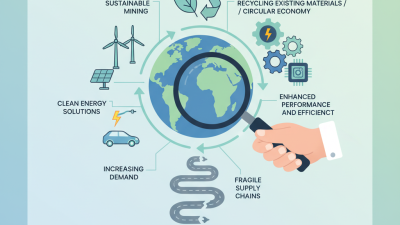
Rare Earth Magnets play a crucial role in various industries, powering everything from electronics to clean energy solutions. These magnets, made from unique materials, have superior qualities compared to traditional magnets. Their strength and durability make them essential for modern technology.
In recent years, China has emerged as a leader in the production of Rare Earth Magnets. The country’s resources and manufacturing capabilities have positioned it at the forefront of this industry. Companies are continuously innovating, but challenges remain. Environmental concerns and economic fluctuations can impact production.
Understanding the top ten Rare Earth Magnets in China can provide insight into the future of technology. Each magnet has distinct applications, influencing advancements in multiple sectors. It's essential to recognize these innovations and their implications for sustainability and efficiency in our world.
China's Dominance in Rare Earth Magnet Production and Supply Chain
China has established itself as a powerhouse in the production of rare earth magnets. These magnets play a crucial role in various industries, including electronics, renewable energy, and automotive manufacturing. China's dominance not only stems from its abundant rare earth resources but also from its well-developed supply chain. This intricate network allows for efficient processing and distribution, giving China a significant edge in global markets.
The variety of rare earth magnets produced in China ranges from bonded to sintered types. Each type has its own unique applications and advantages. For instance, neodymium magnets are known for their incredible strength, making them ideal for electric motors. On the other hand, samarium-cobalt magnets offer excellent temperature stability.
Tips: When sourcing rare earth magnets, consider the application carefully. Quality control is essential for ensuring reliable performance. Not all providers uphold the same standards. Also, maintain awareness of geopolitical factors that could impact supply chains. The landscape can change quickly, affecting availability and pricing. Ultimately, thorough research and informed decisions will lead to better outcomes in sourcing these important materials.
Key Characteristics and Applications of Rare Earth Magnets in Industry
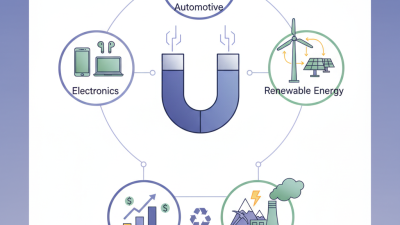
Rare earth magnets are crucial in many industries today. These magnets, mainly composed of neodymium, samarium, and cobalt, offer significant magnetic strength. Their high performance allows for compact design in applications where space is limited. This uniqueness makes them essential in various fields, including electronics, automotive, and renewable energy.
In the electronics industry, rare earth magnets enhance devices like smartphones and headphones. Their strong magnetic fields enable smaller motors and speakers, improving sound quality. In electric vehicles, these magnets play a vital role in efficient motors, ensuring better performance and longer battery life. However, sourcing these materials can be a concern. Mining processes may impact the environment, raising questions about sustainability.
Another notable application is in wind turbines. Rare earth magnets improve the efficiency of generators, supporting renewable energy initiatives. While their benefits are clear, reliance on a limited number of suppliers creates concerns. The geopolitical landscape can affect availability, leading to potential disruptions in production. Thus, understanding the implications of rare earth usage is crucial for industries that depend on these powerful magnets.
China Top 10 Rare Earth Magnets You Should Know About
| Magnet Type |
Key Characteristics |
Applications |
| Neodymium (NdFeB) |
High magnetic strength, corrosion-resistant, brittle |
Electronics, motors, medical devices |
| Samarium-Cobalt (SmCo) |
High thermal stability, corrosion-resistant, expensive |
Aerospace, automotive, sensors |
| Alnico |
Good temperature stability, moderate strength |
Guitars, sensors, motors |
| Ferrite |
Low cost, high resistance to corrosion, lower strength |
Loudspeakers, home appliances, toys |
| Rare Earth Permanent Magnets |
Very high magnetic properties, temperature susceptibility |
Robotics, renewable energy, hard drives |
| Bonded NdFeB |
Versatile shapes, lower cost than sintered, less brittle |
Small motors, sensors, automotive |
| Sintered NdFeB |
High density, high magnetic strength |
High-performance motors, industrial applications |
| SmCo with Coating |
Enhanced corrosion resistance, high stability |
Medical imaging, harsh environments |
| Permanent Magnets with Rare Earth Elements |
High magnetic coercivity, sustainable |
Wind turbines, electric vehicles |
Top 10 Rare Earth Magnets Manufactured in China for Technological Innovation
China has emerged as a global leader in the production of rare earth magnets. These magnets are essential for various technologies, from electric vehicles to wind turbines. Recent industry reports estimate that the market for rare earth magnets in China reached approximately
$7 billion in 2022, with significant growth expected in the coming years.
Chinese manufacturers focus on innovation, producing magnets that are lighter and stronger. Neodymium magnets, for instance, are known for their powerful magnetic properties. They are vital in modern electronics and renewable energy industries. However, challenges remain. Environmental concerns about mining processes need addressing. The industry struggles with sustainable practices while meeting rising demand.
As technology advances, the reliance on rare earth magnets is set to increase. The demand in sectors like aerospace and healthcare is soaring. Current trends suggest that understanding the entire supply chain is crucial. Companies must invest in research and development for more efficient magnets. Balancing growth with environmental responsibility poses a significant challenge.
Market Trends: Demand and Prices of Rare Earth Magnets in 2023
The rare earth magnet market has been experiencing significant changes in 2023. Demand for these magnets is surging due to advancements in technology. Applications in electric vehicles and renewable energy sources contribute to this growing need. In addition, consumer electronics and medical devices are also major drivers of demand. This trend highlights the increasing reliance on rare earth magnets in various sectors.
Prices of rare earth magnets have been affected by market fluctuations. Reports indicate a rise in prices over the past year. Supply chain disruptions and geopolitical tensions play a role in this rise. Manufacturers face challenges in sourcing materials, impacting production costs. There is a notable gap between demand and supply, prompting price volatility. Companies must navigate these complexities to remain competitive in the market.
As the industry evolves, players need to stay informed about market trends. The current landscape is dynamic, with both challenges and opportunities. Companies should consider strategies to balance cost and quality. Engaging in sustainable practices may also enhance reliability. The future remains uncertain, urging stakeholders to adapt and innovate continuously.
Environmental and Economic Impacts of Rare Earth Magnet Production in China
China's production of rare earth magnets significantly impacts both the environment and the economy. Rare earth elements are crucial for various high-tech applications, including electric vehicles and wind turbines. However, mining and processing these elements often lead to severe ecological consequences. Toxic waste generated from production can pollute air and water resources. The extraction process typically involves harmful chemicals, which raises concerns about public health.
Economically, the demand for rare earth magnets drives China's industrial growth. It creates jobs and boosts local economies. Yet, this growth comes at a cost, as environmental degradation can undermine long-term economic stability. Regions heavily involved in mining may face soil erosion and loss of biodiversity. Such issues prompt a need for sustainable practices in the industry.
Stakeholders must consider the balance between economic gain and environmental protection. Innovations in recycling and alternative materials may help alleviate some negative impacts. Policymakers need to implement stricter regulations to safeguard the environment. As the global market for rare earths expands, evaluating and addressing these concerns becomes increasingly critical.