Top 2026 Rare Earth Magnets What You Need to Know?
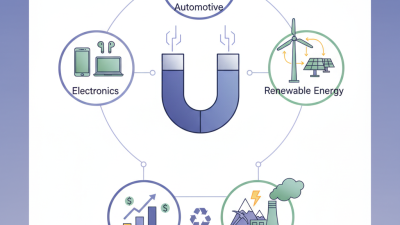
In today's world, Rare Earth Magnets play a crucial role across various industries. These specialized magnets are known for their remarkable strength and durability. Various applications include electronics, automotive, and renewable energy sectors.
Understanding the properties and uses of Rare Earth Magnets can be overwhelming. They are not just powerful; they can also be quite specific in their applications. Each type offers unique benefits and drawbacks. For example, while neodymium magnets are incredibly strong, they can corrode easily if not treated properly.
As we explore the best Rare Earth Magnets of 2026, it's essential to delve into their manufacturing processes and potential challenges. The market is evolving, and so are the technologies that support these magnets. Sustainability and ethical sourcing must also be considered. Seeking reliable information on Rare Earth Magnets can guide informed decisions in this developing field.
Top Trends in Rare Earth Magnet Technology for 2026
As we move closer to 2026, the rare earth magnet industry is witnessing significant advancements. Research predicts that the global market will reach approximately $16.2 billion by 2026, growing at a CAGR of 9.4%. This trend underscores the vital role of rare earth magnets in various applications, from electric vehicles to renewable energy systems.
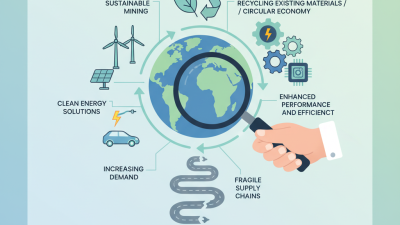
One key development is the push towards sustainable magnet production. Many manufacturers are investing in recycling technologies to reduce dependence on virgin materials. Reports suggest that recycling could supply up to 40% of the demand for neodymium in the coming years. This is a critical step, considering the environmental impact of mining operations. Companies are also exploring alternative materials to mitigate risks associated with supply chain vulnerabilities.
Moreover, the demand for smaller, lighter, and more powerful magnets is on the rise. Innovations in magnet design are leading to products with enhanced magnetic strength and efficiency. Researchers are experimenting with nanostructured magnets that promise greater performance in compact applications. However, challenges still exist. The balance between performance and cost-effectiveness remains a hurdle that the industry needs to address to sustain this growth trend.
Global Market Analysis of Rare Earth Magnets: Key Players and Forecasts
The global market for rare earth magnets stands at a pivotal point. As demand rises in sectors like renewable energy, electric vehicles, and electronics, understanding key players is crucial. These magnets are vital for their strength and reliability. They enable smaller designs with higher performance. This has attracted major investments.
Market dynamics are influenced by supply chain challenges. Many countries rely on imports. Disruptions can pose risks to manufacturing. Emerging players are attempting to democratize access, though entrenched systems remain dominant. While innovation brings promise, dependence on certain materials raises concerns.
In forecasts, growth is expected. However, sustainability must be addressed. Recycling processes are in the spotlight. Companies are exploring eco-friendly alternatives. This can reshape industry standards and practices. Yet, transparency is still lacking in some sectors. A shift toward accountability is necessary to ensure reliable progress.
Top 2026 Rare Earth Magnets Market Data
| Region |
Market Size (USD Billion) |
CAGR (%) |
Key Applications |
2026 Forecast (USD Billion) |
| North America |
5.2 |
5.5 |
Electronics, Automotive |
7.3 |
| Europe |
4.8 |
6.1 |
Healthcare, Renewable Energy |
6.9 |
| Asia-Pacific |
9.7 |
7.3 |
Telecommunications, Industrial |
13.2 |
| Latin America |
1.2 |
4.8 |
Consumer Goods, Automotive |
1.7 |
Applications of Rare Earth Magnets Across Different Industries
Rare earth magnets are crucial in many industries. Their strong magnetic properties lead to innovative applications in electrical motors, medical devices, and renewable energy. Research indicates the global market for these magnets will grow by over 10% annually through 2026.
In the automotive sector, rare earth magnets play a significant role in electric vehicles (EVs). They enhance the efficiency of electric motors, making them lighter and smaller. A report from a leading industry analysis firm suggests that nearly 25% of an EV's weight reduction can be attributed to these magnets. This drive for efficiency reduces costs and emissions.
Tips: When choosing rare earth magnets for projects, consider the size and strength. Proper analysis can prevent wasted resources and time. Pay attention to safety guidelines, as improper use can lead to hazards. It's essential to remain aware of the environmental impact of mining processes associated with rare earth elements.
In healthcare, rare earth magnets are vital for imaging technologies. MRI machines rely on high-performance magnets to provide accurate diagnostics. However, sourcing ethical materials remains a challenge. Continuous research is needed to create sustainable practices. Overall, while rare earth magnets offer significant benefits, addressing their environmental footprint is necessary.
Environmental Impact and Sustainability Practices in Magnet Production
The production of rare earth magnets has significant environmental implications. Mining activities for rare earth materials often result in soil erosion and contamination of local water supplies. According to a report by the World Bank, mining processes release high quantities of toxic waste, posing risks to ecosystems and human health. The need for sustainable practices in magnet production is urgent.
Manufacturers are exploring greener alternatives. Techniques such as closed-loop recycling of magnets reduce the demand for new raw materials. By reusing rare earth elements, companies can significantly mitigate their carbon footprint. A recent study highlighted that recycling rare earth magnets can lower energy usage by up to 90% compared to traditional mining methods.
Tips: Always choose products from manufacturers committed to sustainable practices. Look for certifications related to eco-friendly production. Pay attention to the lifecycle of magnets, as responsible sourcing leads to better environmental outcomes. Making informed decisions empowers consumers to drive change in the industry.
Innovations in Rare Earth Magnet Design and Manufacturing Techniques
Innovations in rare earth magnet design and manufacturing techniques are transforming multiple industries. Advanced production methods like additive manufacturing are making it possible to create complex shapes that were not feasible before. These developments enhance the strength and performance of magnets, making them essential in applications ranging from renewable energy to electric vehicles.
There is a growing focus on sustainability in the production of rare earth magnets. New recycling techniques aim to recover valuable materials from end-of-life products. This not only reduces waste but also addresses supply chain vulnerabilities. However, challenges remain, such as establishing a consistent standard for recycled materials.
Manufacturers are also exploring the use of alternative materials to reduce dependency on traditional sources. By researching magnetic properties of lesser-known compounds, they aim to create comparable performance without the environmental impact. While these innovations show promise, they require extensive testing and validation. It remains crucial to balance innovation with responsible practices for a sustainable future.