China Best Rare Earth Magnet Recycling Solutions for Global Buyers?
In the rapidly evolving landscape of global manufacturing, Rare Earth Magnet Recycling has emerged as a pivotal focus point. According to a recent report by the International Energy Agency, the demand for rare earth elements could rise by over 25% by 2030. This statistic highlights the urgency of effective recycling solutions. Among the experts in this field, Dr. Emily Chen states, “Effective recycling of rare earth magnets is not just beneficial, it's essential for sustainability.”
China stands at the forefront of these recycling solutions, providing innovative methods to reclaim valuable materials. Yet, challenges remain in scalability and efficiency. Recycling rates for rare earth magnets still lag behind other industries, with estimates placing the current recovery rate below 10%. As more manufacturers turn to sustainable practices, the need for robust Rare Earth Magnet Recycling solutions becomes critical to maintaining supply chains.
While advancements are promising, the journey contains hurdles. Industry players must refine processes to increase yield and accessibility. As the market grows, it becomes vital for global buyers to seek trusted partners in China. This approach can help transform challenges into opportunities for a more sustainable future.
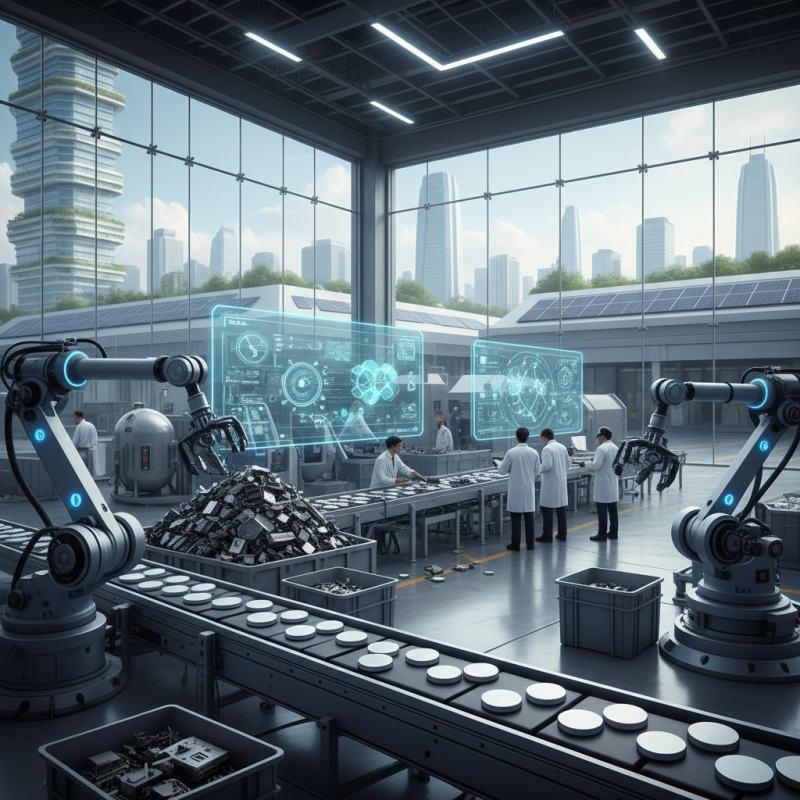
Overview of Rare Earth Magnets and Their Applications
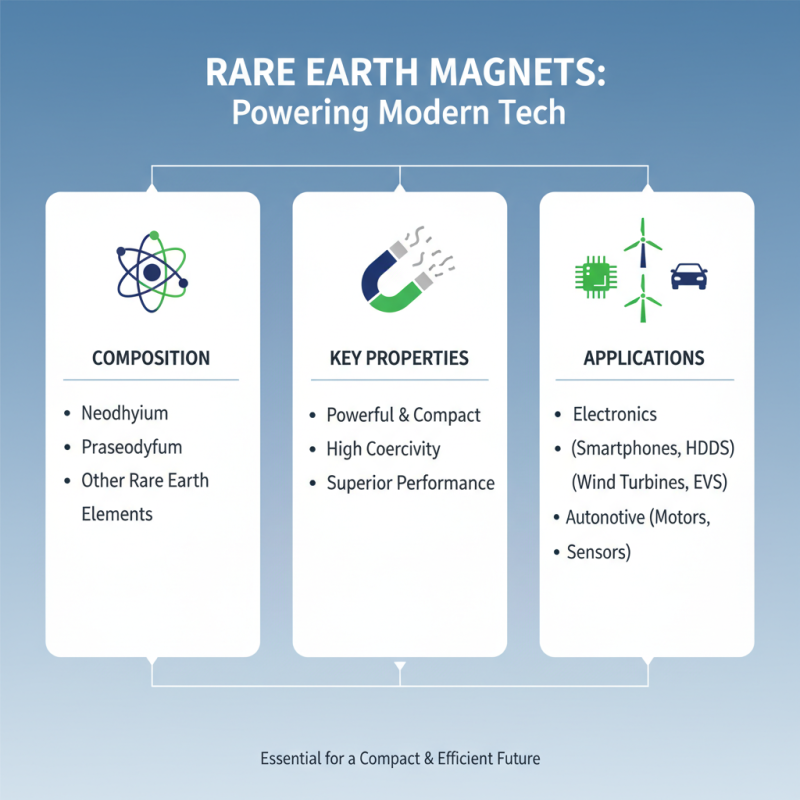
Rare earth magnets are crucial in many modern applications. They are powerful and compact, making them essential in electronics, renewable energy, and automotive sectors. These magnets are primarily composed of neodymium, praseodymium, and other rare earth elements. Their unique properties provide superior performance in small spaces.
In the electronics industry, these magnets are used in smartphones, hard drives, and speakers. They enable lighter and more efficient devices. In renewable energy, they play a vital role in wind turbines and electric motors, contributing to sustainable power solutions. Automotive manufacturers increasingly utilize rare earth magnets in electric vehicles for better efficiency and performance.
**Tips:** Consider the lifecycle of your products. Recycling rare earth magnets can reduce environmental impact. This process can also recover valuable materials. Engaging with recycling solutions is essential for sustainability. Evaluate your supply chain and seek partnerships that prioritize eco-friendly practices.
While rare earth magnets offer tremendous advantages, challenges exist. The sourcing and recycling processes can be complex and costly. Moreover, understanding the market dynamics is essential. Buyers must navigate fluctuating prices and availability of raw materials. Investing in reliable recycling solutions can mitigate some of these risks.
Importance of Recycling Rare Earth Magnets
Recycling rare earth magnets is crucial in today’s technology-driven world. These magnets are essential components in various devices, from smartphones to electric vehicles. However, their production relies heavily on rare earth materials, which are finite. As demand rises, so does the need for sustainable solutions.
Recycling helps to mitigate environmental impact. It reduces the need for new mining, thereby preserving natural resources. The process of refining rare earth magnets can be energy-intensive, contributing to carbon emissions. By recycling, we can lower energy consumption and reduce waste. It promotes a circular economy, where materials are reused effectively.
Tips: Always check for local recycling programs. Many areas have specific guidelines for electronics recycling. Engage with companies that offer safe and responsible recycling solutions. This not only supports the environment but can lead to innovations in recycling technology. Reflect on how much e-waste you generate. Small changes in behavior can make a big difference in sustainability.
Importance of Recycling Rare Earth Magnets
Current Challenges in Rare Earth Magnet Recycling
Recycling rare earth magnets has become increasingly important due to rising global demand for rare earth elements (REEs). According to a report by the International Energy Agency, rare earth metals are projected to see a demand surge of over 300% by 2040. Despite their significance, the recycling processes face several challenges. One major issue is the complex composition of rare earth magnets. They contain various alloys, making extraction difficult. Many facilities lack the technologies to efficiently separate REEs for reuse.
Environmental concerns also play a role. Traditional mining practices for rare earths are harmful to ecosystems. Thus, recycling could mitigate these negative impacts. An estimated 60% of rare earth demand could be met through recycling by 2030, but current recycling rates remain below 1%. Improving these figures requires significant investment in research and innovation to enhance processing technology.
Tips for buyers: Partnering with experienced recycling firms can streamline the recovery process. Also, investing in training and best practices can optimize your recycling operations. Lastly, keep informed about new technologies emerging in the industry; staying updated is key to staying competitive.
China Best Rare Earth Magnet Recycling Solutions for Global Buyers? - Current Challenges in Rare Earth Magnet Recycling
| Recycling Method |
Efficiency (%) |
Cost ($/kg) |
Environmental Impact (Low/Medium/High) |
Current Challenges |
| Hydrometallurgical Process |
90 |
15 |
Medium |
Complexity of metal separation |
| Pyrometallurgical Process |
85 |
20 |
High |
High energy consumption |
| Mechanical Recycling |
70 |
10 |
Low |
Limited recovery rates |
| Bioleaching |
75 |
12 |
Medium |
Slow processing time |
| Magnetic Separation |
80 |
18 |
Medium |
Requires advanced technology |
Innovative Recycling Solutions in China
China has made significant strides in developing innovative recycling solutions for rare earth magnets. These materials are crucial for various industries, including electronics and renewable energy. According to a recent report by the International Energy Agency, the global demand for rare earth elements is expected to grow by 25% by 2030. This growth highlights the need for effective recycling methods.
One effective approach involves hydrometallurgical processes. This technique can recover up to 95% of rare earth elements from used magnets. Another method currently explored minimizes waste and energy consumption, aligning with green technology trends. However, challenges exist in terms of scalability and cost. Optimizing these processes remains critical for broader application.
Furthermore, while recycling solutions are emerging, the efficiency of collection and processing still requires improvement. Many end-of-life magnets remain untapped in waste streams. Educating industries on the value of recycling could enhance sourcing efforts. Data shows that efficient recycling could supply up to 30% of global rare earth needs by 2035, yet only a fraction currently makes it back into the supply chain.
Global Impact of Chinese Rare Earth Magnet Recycling Practices
The recycling of rare earth magnets is increasingly important in China. Reports indicate that China produces over over 70% of the world's rare earth materials. This dominance brings responsibility, especially in recycling practices. By 2025, the global demand for rare earth metals is expected to reach 268,000 tons. Efficient recycling methods will help meet this demand sustainably.
China's unique practices focus on hydrometallurgy and pyrometallurgy for separating rare earth elements. This dual approach enhances the recovery of valuable metals. In 2020, approximately 12% of rare earth magnets were recycled, highlighting an urgent need for improvement. While the potential exists, the current recycling rates reflect inefficiencies.
Moreover, the environmental impact of extraction is immense. Traditional mining can lead to severe soil and water contamination. Recycling reduces these threats significantly. A study from the International Journal of Recycling of Organic Waste in Agriculture noted that recycling rare earths can reduce carbon emissions by about 30%. However, challenges remain in technology access and public awareness. Addressing these issues may lead to smarter solutions.