2026 Best Tips for Rare Earth Magnet Recycling Solutions?
Rare Earth Magnet Recycling is a crucial topic in today’s sustainable technology landscape. Dr. Lisa Huang, a leading expert in the field, states, “The future of green technology depends on how we manage our rare earth resources.” This highlights the importance of effective recycling solutions.
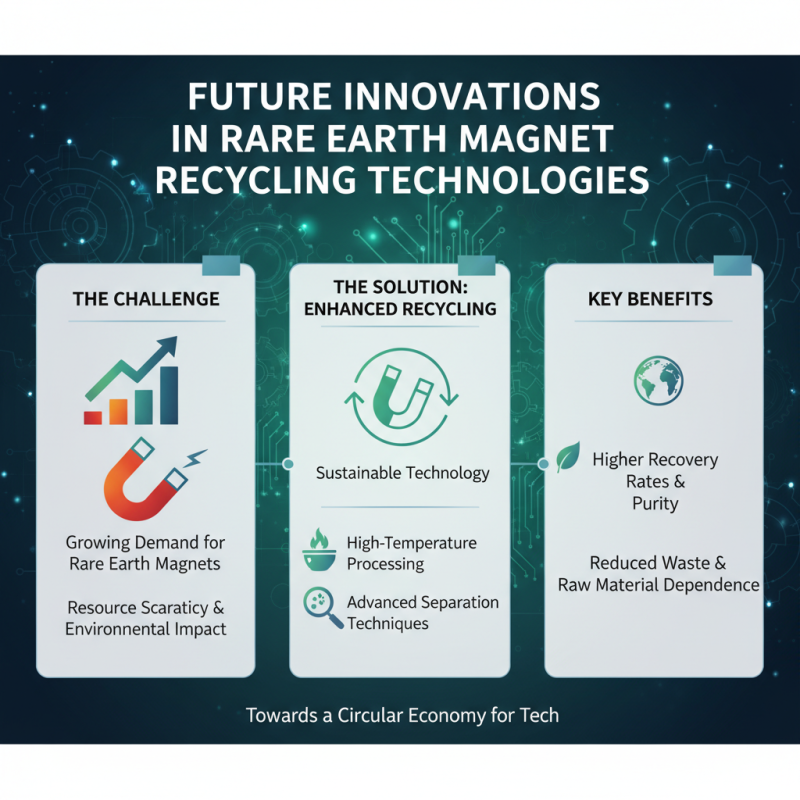
Rare earth magnets play a vital role in various industries, from renewable energy to electronics. Yet, recycling these materials presents challenges. The rarity and complexity of extraction methods make it difficult to reclaim. As demand for rare earth magnets grows, so does the need for efficient recycling techniques.
Addressing the obstacles in Rare Earth Magnet Recycling can open doors to sustainable practices. Continued innovation will be essential. However, the industry must also reflect on current shortcomings. There is still much work to do to improve methods and increase recovery rates. Indeed, the path forward requires both advancement and contemplation.

Overview of Rare Earth Magnets and Their Applications
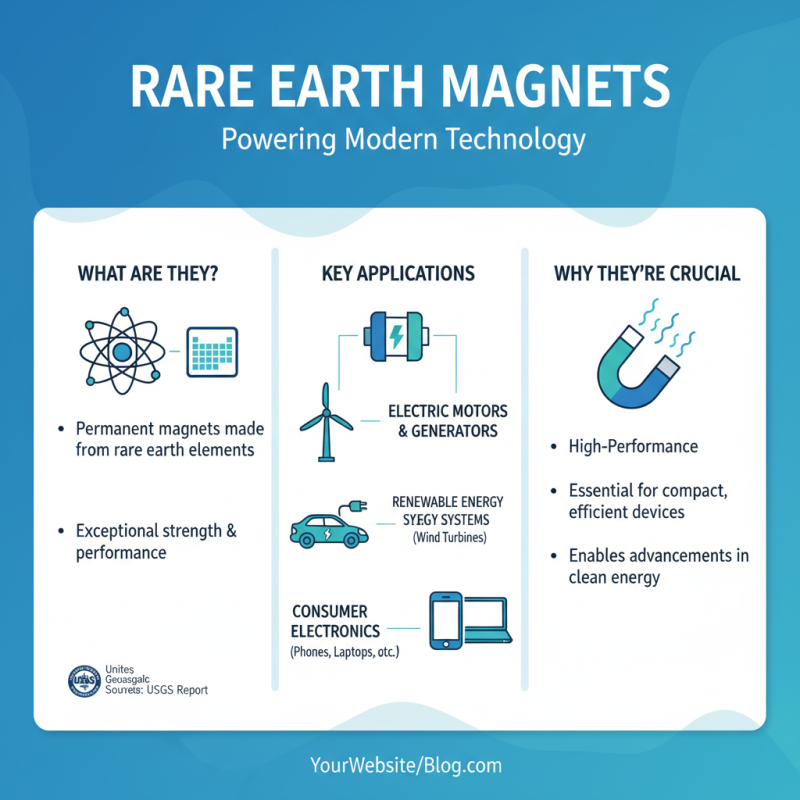
Rare earth magnets play a significant role in modern technology. They are widely found in electric motors, generators, and various electronic devices. According to a report by the United States Geological Survey, rare earth elements are essential for producing high-performance magnets. These magnets are crucial for renewable energy systems, electric vehicles, and consumer electronics.
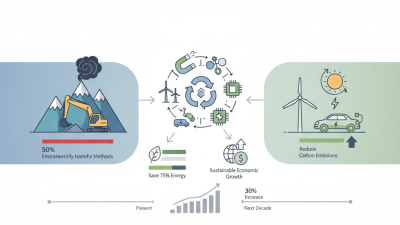
Recycling rare earth magnets can help mitigate resource scarcity. The process not only conserves materials but also reduces environmental impacts. Reports indicate that up to 30% of rare earth elements can come from recycling. This figure highlights the potential of recovered materials in meeting industrial demands. Implementing effective recycling solutions is essential for a sustainable future.
When considering recycling solutions, begin by identifying sources of scrap magnets. Collaborate with manufacturers to streamline the collection process. Educating consumers about recycling benefits is also vital. Sharing resources can motivate collective efforts. As the demand for rare earth magnets grows, finding innovative recycling methods becomes increasingly important. The technology is evolving, yet challenges remain. Each solution should be examined for efficiency and effectiveness.
Importance of Recycling Rare Earth Magnets for Sustainability
Recycling rare earth magnets is crucial for sustainable practices. These magnets are essential in various industries, from electronics to renewable energy. Their unique properties make them highly useful, but they are also finite resources. By recycling, we can reduce the demand for mining, which often leads to environmental damage.
The process of recycling rare earth magnets can be complex. It often involves separating metals and refining them. While technological solutions exist, they can be costly and not widely implemented. Many facilities lack the infrastructure to handle these materials effectively. This gap highlights the need for innovation in recycling techniques and better awareness in industries.
Without action, the depletion of rare earth elements can have severe consequences. More initiatives are required to improve recycling rates. Educating manufacturers and consumers is part of the solution. They need to understand the benefits of recycling these magnets, not just for today but for future generations. A collective effort will enhance sustainability and protect valuable resources.
2026 Best Tips for Rare Earth Magnet Recycling Solutions
Step-by-Step Process of Rare Earth Magnet Recycling
Recycling rare earth magnets involves a detailed process. These powerful magnets are often found in electronics, motors, and renewable energy devices. Start by safely collecting used magnets from various sources. Ensure you wear protective gear during handling to avoid injury.
After collection, the next step is disassembly. Manually remove magnets from devices. Be mindful of any harmful materials that could be present. It’s crucial to handle each component carefully. Once disassembled, sort the magnets based on their type. This helps in the later stages of recycling. Not all magnets are the same, and the composition affects the recycling process.
The actual recycling process can be complex. It may involve crushing, grinding, and chemical treatments. These methods extract rare earth elements from the magnets. The efficiency of this process can vary. Sometimes, not all materials are recovered, which raises waste concerns. Reflecting on this, improvements are needed in techniques to enhance recovery rates. Recycling rare earth magnets is essential for sustainability, yet challenges remain.
2026 Best Tips for Rare Earth Magnet Recycling Solutions
| Step Number |
Process Description |
Materials Needed |
Duration (Hours) |
Estimated Cost (USD) |
| 1 |
Collection of Used Magnets |
Containers, Labels |
2 |
50 |
| 2 |
Sorting and Testing |
Sorting Bins, Testing Equipment |
3 |
100 |
| 3 |
Demagnetization |
Demagnetization Equipment |
5 |
250 |
| 4 |
Shredding |
Industrial Shredders |
4 |
300 |
| 5 |
Separation of Materials |
Separation Machines, Filters |
3 |
150 |
| 6 |
Purification Process |
Chemical Agents, Equipment |
6 |
400 |
| 7 |
Recycling and Re-manufacturing |
Recycling Facilities |
8 |
500 |
Challenges in Rare Earth Magnet Recycling and Solutions
Recycling rare earth magnets presents significant challenges. These magnets are often embedded in complex electronic devices. Their removal, without causing damage, requires specialized techniques. Many recycling facilities lack the necessary equipment or expertise. This creates a bottleneck in the recycling process.
In addition, the chemical processes involved can be hazardous. Proper handling and disposal are essential to minimize environmental impact. The lack of standardized recycling methods further complicates the situation. Companies often follow different practices, leading to inconsistent recycling rates.
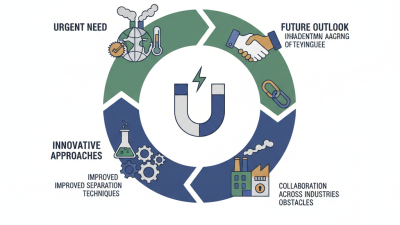
To tackle these issues, investments in research and development are critical. Advancements in technology can improve efficiency and safety in the recycling process. Collaboration among manufacturers, recyclers, and researchers is vital. Shared knowledge can lead to innovative solutions. Addressing these challenges will promote a sustainable approach to rare earth magnet recycling.