2026 Best Rare Earth Magnet Recycling Solutions for Buyers
The demand for Rare Earth Magnet Recycling is surging as industries recognize the importance of sustainable practices. In 2021, the global rare earth magnet market was valued at approximately $7 billion. Experts predict a compound annual growth rate (CAGR) of over 10% through 2026. This growth underscores the need for effective recycling solutions that address both environmental and economic concerns.
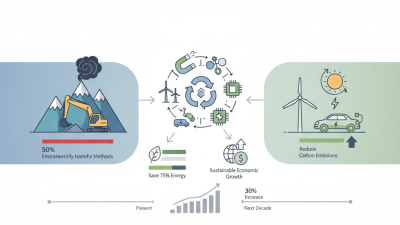
Recycling rare earth magnets can significantly reduce the environmental impact of mining raw materials. The mining process is not only energy-intensive but also harmful to ecosystems. On the other hand, recycled rare earth elements exhibit similar performance levels as their mined counterparts. However, despite these advantages, the recycling rate remains low, highlighting gaps in the current infrastructure.
Successful Rare Earth Magnet Recycling initiatives can create a circular economy, driving innovation and efficiency. Yet, many companies struggle with the complexities of recycling processes. As we look toward 2026, identifying the best solutions for rare earth magnet recycling will be critical. Addressing obstacles in collection, processing, and market awareness remains essential for maximizing recycling potential.

Overview of Rare Earth Magnets and Their Importance
Rare earth magnets play a crucial role in modern technology. These powerful magnets are found in various devices, from smartphones to electric vehicles. They help make our gadgets smaller, lighter, and more efficient. The demand for rare earth magnets continues to rise as technology advances. However, the production of these magnets raises environmental concerns. Mining and processing can have harmful effects on ecosystems.
Recycling rare earth magnets offers a solution. It reduces waste and lessens the need for new materials. Yet, the recycling process is complex. Many facilities lack the required technology and expertise. Proper recycling requires careful dismantling and separation of parts. This can be costly and time-consuming.
Some experts suggest increasing investment in recycling technologies. Research into more efficient methods could improve the sustainability of rare earth resources. There is a need for collaboration between industries and governments. Greater awareness of recycling options is essential for both manufacturers and consumers. Engaging in sustainable practices can lead to a healthier planet. However, not all recycling efforts meet the necessary standards. Continuous improvement is vital for effective recycling solutions.
2026 Best Rare Earth Magnet Recycling Solutions
This chart illustrates the recycling efficiency of various types of rare earth magnets, highlighting the importance of sustainable practices in dealing with these essential materials.
Challenges in Rare Earth Magnet Recycling
Rare earth magnet recycling presents unique challenges that need attention. These magnets are critical in many modern technologies, from electric vehicles to wind turbines. However, the recycling process is complex. Extracting rare earth elements from old magnets requires specialized techniques and equipment. Not all facilities have the capability to handle these materials.
Another challenge lies in the current market demand for recycled rare earth elements. Many recycling operations struggle to compete with primary mining. The fluctuating prices can deter investment in recycling technologies. Furthermore, public awareness about the environmental benefits of recycling rare earth magnets is still low.
The recycling process can be labor-intensive and costly. It often involves disassembly of devices, separation of components, and extraction of materials. Each step presents potential inefficiencies. Standard practices are still evolving, and industry players must adapt. Stakeholders need ongoing education about the benefits of recycling. Improved collaboration between manufacturers and recyclers is essential to develop better solutions.
Leading Technologies in Rare Earth Magnet Recycling Solutions
Rare earth magnets are crucial in many modern technologies, from electric vehicles to renewable energy systems. The recycling of these magnets offers a viable solution to address both material scarcity and environmental impact. Recent studies indicate that approximately 10,000 metric tons of rare earth materials can be recycled from electronic waste annually, presenting a significant opportunity for sustainability. Despite this potential, the recycling industry faces challenges, particularly in effective separation and processing techniques.
Technologies such as hydrometallurgical and pyrometallurgical methods are leading the way in rare earth magnet recycling. Hydrometallurgical processes involve the use of solvents to selectively dissolve and extract valuable rare earth elements. This method has shown a recovery rate of around 85%, which underlines its effectiveness. On the other hand, pyrometallurgical techniques rely on thermal processes to separate rare earth elements, achieving different results depending on the specific metals involved. These methods also raise questions about energy consumption and emissions, which are vital to consider.
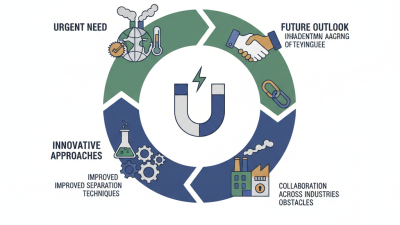
Innovations in automated sorting and advanced chemical processes are gradually improving recycling efficiency. However, the current recycling rate remains low, with estimates suggesting only 1% of rare earth magnets are recycled globally. Education and investment are essential for advancing these technologies. Strengthening the recycling framework hinges on collaboration across industries to enhance material recovery while reducing waste. This is a complex issue that requires ongoing research and a commitment to better practices.
2026 Best Rare Earth Magnet Recycling Solutions for Buyers
| Technology |
Efficiency (%) |
Recovery Rate (%) |
Environmental Impact |
Cost (USD per ton) |
| Hydrometallurgical Process |
85 |
90 |
Low |
1200 |
| Pyrometallurgical Process |
80 |
85 |
Medium |
1500 |
| Magnetic Separation |
75 |
80 |
Low |
800 |
| E-Waste Recycling |
78 |
82 |
Medium |
900 |
| Bioleaching |
72 |
75 |
Low |
1100 |
Market Trends and Demand for Recycled Rare Earth Materials
The growing demand for recycled rare earth materials reflects a significant shift in market trends. According to a 2022 industry report, the global rare earth recycling market is projected to reach $6.6 billion by 2025. This surge is driven by the increasing need for sustainable solutions and the depletion of natural resources. Rare earth magnets, vital in electronics and renewable energy, are in high demand. As manufacturers seek eco-friendly practices, recycling provides a pathway to support their goals.
Despite this momentum, challenges remain. The recycling process for rare earth materials can be complex and costly. Some methods yield low recovery rates, which hampers effectiveness. As outlined in a recent study, the average recovery rate for certain rare earth elements can be as low as 50%. This points to the need for improvement in recycling technologies. Companies must continue investing in innovative solutions to enhance efficiency.
Furthermore, regulatory frameworks are evolving. Governments are recognizing the critical nature of rare earth materials. They encourage recycling initiatives through incentives. Yet, participation rates vary widely among markets. Awareness and collaboration among stakeholders are essential for success. The path to a sustainable future relies on reliable recycling methods and consistent demand for recycled materials.
Guidelines for Buyers: Selecting the Right Recycling Partner
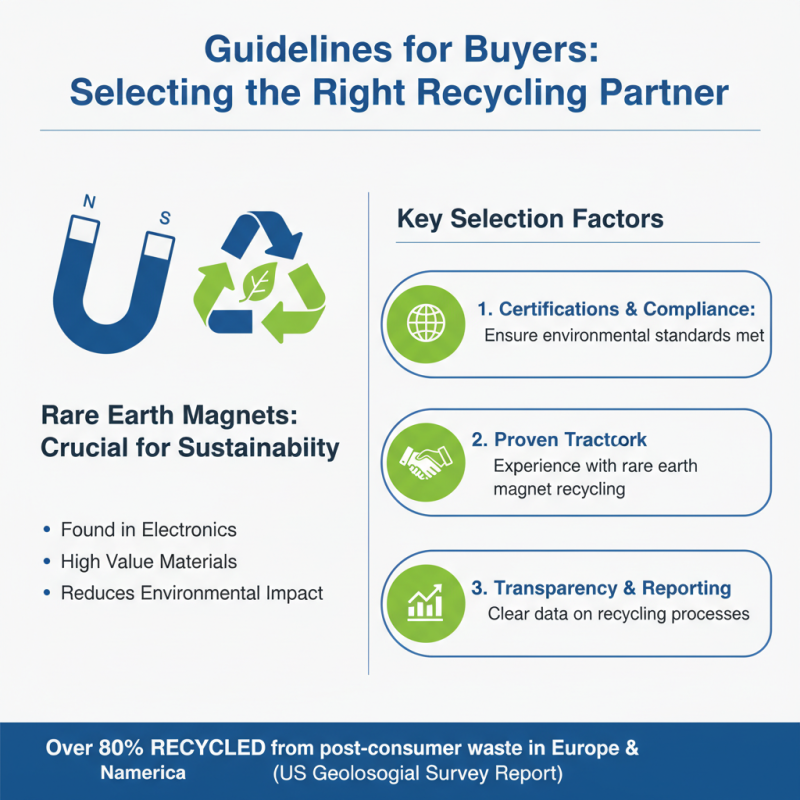
When selecting a recycling partner for rare earth magnets, it's important to consider several key factors that ensure effective and environmentally friendly practices. Rare earth magnets are found in various electronics, and their recycling is crucial for sustainability. According to a report by the US Geological Survey, over 80% of rare earth elements are recycled from post-consumer waste in Europe and North America. This highlights the increasing importance of choosing the right recycling solutions.
A reliable recycling partner should have a transparent process. Check their certifications and experience in recycling rare earth materials. Many companies provide data on their recycling rates, which can help you gauge their efficiency. Tips to consider include asking about their environmental policies. A partner focused on minimal environmental impact is essential. Furthermore, the ability to share metrics on the recovery of rare earth materials can signal their expertise.
Beware of overly complex recycling processes that may lead to contamination. The industry has seen various cases where improper handling diminished the quality of recycled materials. Ensuring clarity in their approach will help prevent common pitfalls. An informed buyer will naturally seek partners who remain compliant with eco-regulations while showcasing a credible track record.