What Are the Best Sources for Rare Earth Materials?
Rare Earth Materials are essential for modern technology. These materials play a crucial role in electronics, clean energy, and advanced manufacturing. The demand for Rare Earth Materials is steadily increasing. However, sourcing them responsibly remains a major challenge.
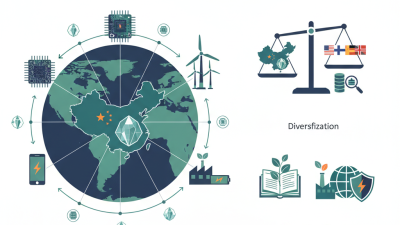
Much of the world's supply comes from a few countries. China dominates the market, producing over 60% of the global output. This reliance raises concerns about sustainability and geopolitical risks. Other nations, like Australia and the United States, are also significant players. They are working to develop alternative sources and reduce dependency on a single market.
Sourcing Rare Earth Materials deserves careful consideration. Ethical practices in mining and processing are vital. There's a need for transparency throughout the supply chain. As technology evolves, the industry must adapt. Finding the best sources for these materials is a complex journey, yet it is crucial for a sustainable future.

The Definition and Importance of Rare Earth Materials
Rare earth materials are essential for modern technology. They play a crucial role in manufacturing electronics, batteries, and renewable energy devices. Understanding these materials' definition helps highlight their importance in our daily lives. Rare earth elements are a group of 17 chemical elements found in the periodic table. They are known for their unique magnetic, luminescent, and electrochemical properties.
Industries rely heavily on rare earth materials. For example, they are vital for electric vehicle batteries and wind turbine motors. However, sourcing these materials poses challenges. Mining operations can have significant environmental impacts. There is a need for responsible sourcing practices. Increasing demand raises concerns over supply stability. Countries are working to manage these resources sustainably. This is an area that requires more attention and improvement.
As technology advances, so does the need for rare earth materials. Innovations often outpace the development of sustainable extraction methods. The global community must collaborate on recycling and alternative sources. Education and awareness are key to understanding the complexities of rare earth materials. This ongoing dialogue will help guide future sourcing and usage decisions. Balancing technology's demands with environmental considerations is imperative for progress.
Major Global Deposits of Rare Earth Materials
Rare earth materials are vital for modern technology. Their unique properties make them essential in electronics, renewable energy, and defense. Major global deposits hold significant importance in meeting the growing demand.
China is the dominant player in rare earth production. It holds around 60% of the world's rare earth supply. Regions like Inner Mongolia host large mining operations. However, environmental concerns have arisen from extraction processes. These issues prompt a need for more sustainable practices.
The United States also has notable deposits. The Mountain Pass mine in California is a key site. This mine has faced challenges due to regulatory hurdles. Meanwhile, countries like Australia and Russia are increasing their exploration efforts. Australia’s heavy rare earth deposits show promise for future supply. Exploring deposits like these is crucial for diversifying sources. Addressing geopolitical tensions is essential for stable supply chains.
What Are the Best Sources for Rare Earth Materials? - Major Global Deposits of Rare Earth Materials
| Country |
Deposit Name |
Estimated Reserves (Million Tons) |
Type of Deposit |
| China |
Bayan Obo |
41 |
Carbonatite |
| Australia |
Mount Weld |
16 |
Lepidolite |
| USA |
Mountain Pass |
13 |
Bastnaesite |
| Russia |
Tomtor |
7 |
Jeffreyite |
| India |
Bastar |
3 |
Ion-adsorption |
Extraction Techniques for Rare Earth Elements
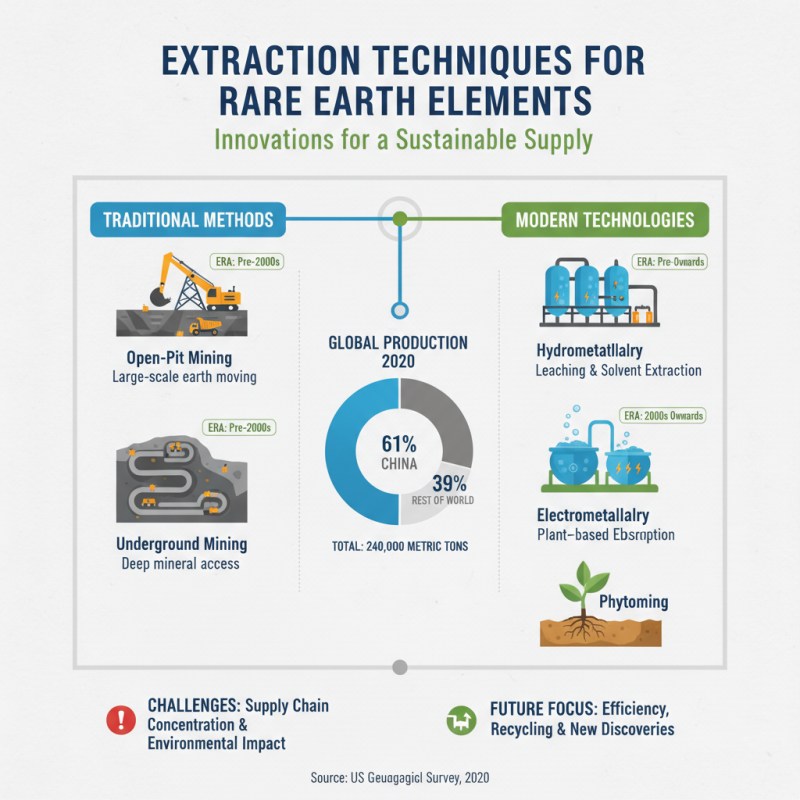
Extraction techniques for rare earth elements (REEs) have evolved significantly over the years. Traditional methods, like open-pit and underground mining, are being supplemented by newer technologies. According to a report from the U.S. Geological Survey, global REE production in 2020 was about 240,000 metric tons, with China leading the market at roughly 61% of the total. This concentration raises concerns about sustainability and supply chain resilience.
Hydrometallurgical processes are gaining traction for their efficiency. These methods dissolve ores in chemical solutions, allowing for selective extraction of desired elements. Research shows that this technique can improve yield and reduce waste. However, it also presents environmental challenges, such as potential contamination of water sources. Industry experts argue that better materials management is needed to optimize these processes while minimizing their ecological impact.
The rising demand for green technologies, especially in electronics and renewable energy, fuels the quest for innovative extraction methods. Many researchers advocate for bioleaching, which uses microorganisms to extract REEs. This method is still in development but shows promise. Yet challenges remain, particularly in scalability and economic feasibility. As the industry moves forward, balancing efficiency with environmental stewardship will be critical for the sustainable extraction of rare earth materials.
Geopolitical Factors Affecting Rare Earth Supply Chains
Geopolitical dynamics significantly shape the supply chains for rare earth materials. Countries with large reserves often impose strict export controls. This creates a ripple effect across global markets. The reliance on a few suppliers raises concerns about supply security. Shifts in political relationships can disrupt these essential materials' availability.
Tensions between major powers influence rare earth access. Countries are investing in domestic production to reduce dependency. However, establishing new mines requires time and substantial capital. Environmental impacts from mining operations cannot be overlooked. These projects often face public scrutiny and regulatory hurdles, complicating efforts to establish a stable supply.
Countries with rich resources may restrict exports during crises. This uncertainty compels manufacturers to seek alternatives. The race for technological advancement increases demand for these materials. Future sustainability hinges on balancing economic needs with environmental responsibility. Stakeholders must reflect on their strategies and adapt to evolving geopolitical landscapes.
Global Rare Earth Materials Production by Country (2022)
This chart illustrates the distribution of rare earth materials production among leading countries in 2022. The geopolitical aspects greatly influence these supply chains, affecting global access to these essential materials.
Sustainable Practices in Rare Earth Material Sourcing
Sourcing rare earth materials sustainably is crucial in today's world. These materials are essential for various high-tech applications, from smartphones to electric vehicles. However, traditional mining practices often lead to environmental degradation. The focus has shifted towards methods that minimize ecological impact.
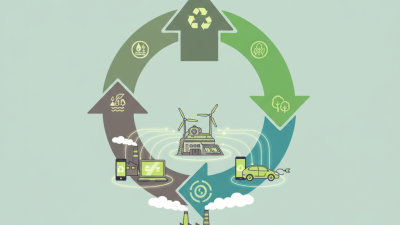
One effective strategy is recycling. Recovering rare earth elements from old electronics reduces the need for new mining. This practice not only saves resources but also prevents waste. Partnerships between industries can enhance recycling efforts, creating a circular economy. Innovations in technology are also leading to more efficient extraction processes. These advancements aim to reduce water usage and energy consumption.
Despite these efforts, challenges remain. Many recycling techniques are still in development. There is a need for standardized practices in the industry. Education and awareness about sustainable sourcing are essential. Stakeholders must collaborate to create guidelines that ensure responsible sourcing. This ongoing journey requires reflection and commitment to environmental stewardship.