2026 Best Rare Earth Metals for Global Procurement Needs?
Rare Earth Metals play a critical role in modern technology and innovation. These materials are essential for numerous applications, from smartphones to renewable energy solutions. As global demand increases, the procurement of these metals becomes more essential. Various countries are investing in the mining and processing of Rare Earth Metals.
In 2026, the competition for these valuable resources will likely intensify. Countries such as China, the United States, and Australia are key players in this market. Their strategic policies will influence the availability and pricing of Rare Earth Metals. Understanding the landscape of these metals helps businesses plan for the future.
However, the environmental impact and ethical considerations surrounding mining are significant. Some mining practices can lead to ecological degradation. The industry faces challenges in balancing demand and sustainability. Engaging with these issues is crucial for responsible procurement. As we look to the future, effective strategies must address both supply and ethical concerns.

Overview of Rare Earth Metals and Their Importance in Global Procurement
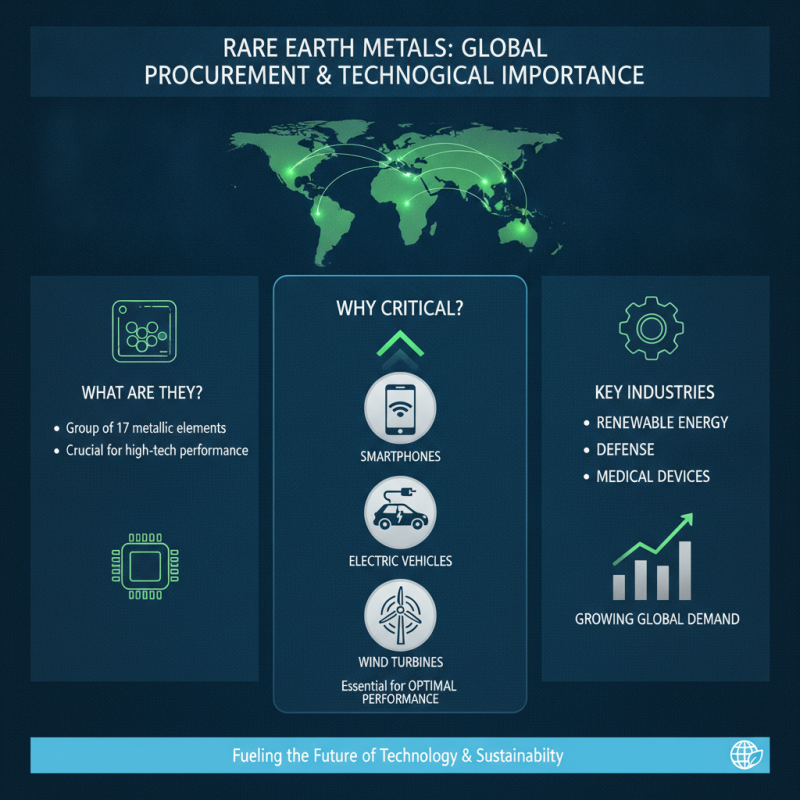
Rare earth metals are critical in today's technology-driven world. They play a vital role in various industries, from electronics to renewable energy. Many high-tech devices rely on these elements for optimal performance. Smartphones, electric vehicles, and wind turbines all require rare earth metals for their functioning.
The procurement of rare earth metals has become increasingly challenging. Supply chains can be complex and vulnerable to disruptions. Countries that are highly dependent on these materials face risks. Sourcing from diverse regions may mitigate these risks, yet can introduce unpredictability. This situation calls for a strategic approach to global procurement.
Sustainability is a growing concern. As demand rises, the environmental impact of mining also increases. Efforts are needed to develop recycling methods for rare earth metals. Companies must balance economic needs with environmental responsibilities. What will be the long-term consequences of current practices? Addressing these questions is essential for future procurement strategies.
Key Characteristics of the Best Rare Earth Metals for 2026
In 2026, rare earth metals will play a critical role in global procurement. Understanding their unique characteristics is essential. Each metal has its specific properties that influence its applications. For instance, neodymium is known for its incredible magnetic strength. This property makes it vital for electric motors and generators.
Another important metal is dysprosium, which enhances thermal stability. This characteristic is crucial for applications in high-performance magnets. These metals are also lightweight and have excellent conductivity. However, their extraction process remains environmentally challenging. Ensuring sustainable practices is a pressing issue that needs attention.
Moreover, demand is expected to increase significantly. As technology evolves, so does the need for efficient materials. Companies must stay informed about availability and pricing. Awareness of the geopolitical factors affecting resources is also important. This adds complexity but also opportunities for innovation in the rare earth sector.
2026 Best Rare Earth Metals for Global Procurement Needs
| Rare Earth Metal |
Atomic Number |
Key Characteristics |
Applications |
| Neodymium (Nd) |
60 |
Strong magnetic properties, high durability |
Electric motors, hard disk drives, headphones |
| Dysprosium (Dy) |
66 |
Temperature stability, excellent magnetic properties |
High-performance magnets, laser materials |
| Terbium (Tb) |
65 |
Green phosphorescence, good electronic properties |
Fluorescent lamps, solid-state devices |
| Yttrium (Y) |
39 |
High melting point, resistance to corrosion |
LEDs, phosphor materials, superconductors |
| Lanthanum (La) |
57 |
Catalytic properties, good conductivity |
Camera lenses, hydrogen storage |
Emerging Technologies Driving Demand for Rare Earth Metals
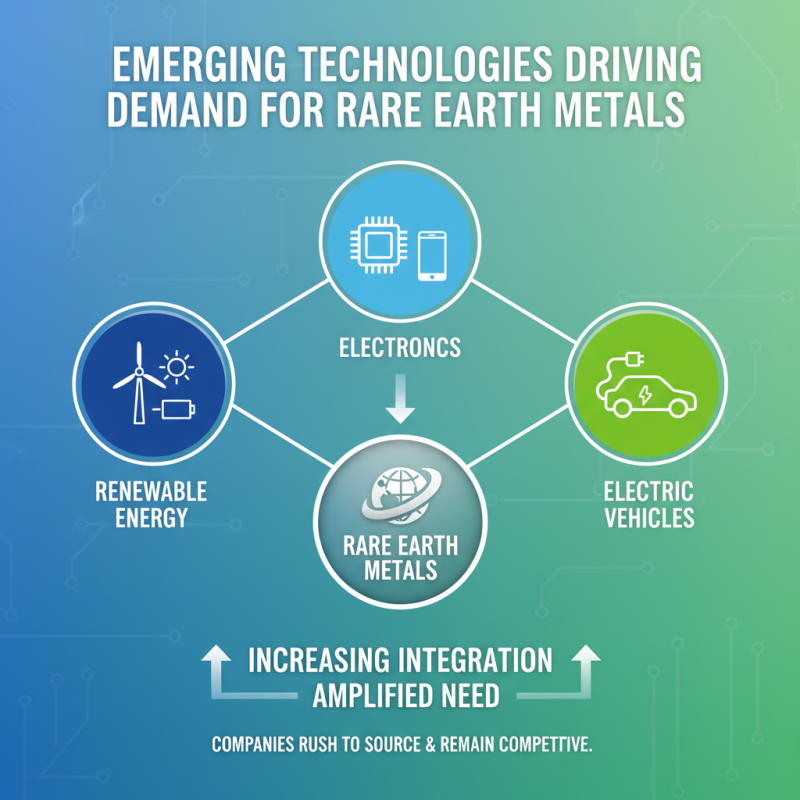
Emerging technologies are reshaping the landscape for rare earth metals. Their demand is driven by various sectors, including renewable energy, electronics, and electric vehicles. Companies are rushing to source these metals to stay competitive. The increasing integration of technology into daily life further amplifies this need.
As industries innovate, sourcing rare earth metals becomes essential. These metals, often hidden in complex supply chains, are critical for advanced manufacturing. Growing awareness of sustainable practices also drives change. Companies must evaluate their supply chains to ensure ethical sourcing. This is a tough challenge but can lead to better practices.
Tips: When considering procurement needs, focus on transparency. Understand where the metals originate and how they are processed. Build relationships with reliable suppliers for consistent quality. Many organizations find that diversifying their sources can mitigate risks. Stay informed about market trends to anticipate changes in demand.
Regional Market Analysis: Top Producers and Suppliers of Rare Earth Metals
Rare earth metals are essential for various industries, including technology and renewable energy. In 2026, understanding regional markets can help businesses meet their procurement needs. China remains a dominant player, producing a significant share of rare earth elements. Other notable regions include Australia and the United States, which are increasing their production capacities.
In the Americas, the U.S. is focusing on domestic mining initiatives. This move is crucial for reducing dependency on imports. Canada is also stepping up its rare earth production. Meanwhile, Australia is enhancing its processing capabilities, aiming to become a leading supplier.
Tips: When sourcing rare earth metals, consider the environmental practices of suppliers. Sustainable and ethical sourcing can enhance your brand's reputation. Additionally, stay informed about geopolitical factors that could impact supply chains. Keeping a close watch can mitigate potential risks and surprises in procurement.
Sustainability and Environmental Considerations in Rare Earth Metal Sourcing
Sourcing rare earth metals sustainably is crucial in today's environment. The growing demand for green technologies pushes companies towards responsible procurement practices. According to a report from the International Energy Agency, rare earth elements are vital in wind turbines and electric vehicles, yet their extraction processes often harm ecosystems.
Environmental issues arise from mining operations. Soil and water contamination can disrupt local habitats. A study by the World Bank highlights the inefficiencies in current mining methods. Up to 90% of ore can be wasted, resulting in significant environmental degradation. Companies must evaluate their sourcing methods carefully.
Transparency in supply chains is essential for accountability. Reports show that consumers are increasingly aware of the environmental impact of their purchases. About 70% of buyers prefer brands that demonstrate sustainability practices. This shift places pressure on manufacturers to prioritize ethical sourcing. Investing in recycling and alternative materials could mitigate some environmental impacts, but challenges remain.