2026 Top Rare Earth Materials for Global Buyers and Suppliers?
As the demand for advanced technologies rises, the importance of Rare Earth Materials grows significantly. Dr. John Smith, a leading expert in the Rare Earth Material industry, states, "The future of technology hinges on our access to these essential materials." This statement highlights the critical role these materials play in various sectors, from electronics to renewable energy.
The 2026 landscape for Rare Earth Materials will be shaped by global buyers and suppliers. Producers are striving to meet rising demands while maintaining sustainable practices. However, challenges persist. High extraction costs and environmental concerns make sourcing these materials complicated. As we look toward 2026, this sector must innovate to overcome these hurdles.
Suppliers around the world must navigate a competitive market. Understanding market fluctuations and ensuring quality are vital. The promise of Rare Earth Materials lies not only in their application but also in the sustainable methods of extraction and production. Realizing this potential requires collaboration among experts, governments, and companies alike. The journey toward ethically sourced Rare Earth Materials is a complex one, filled with opportunities and obstacles to reflect upon.

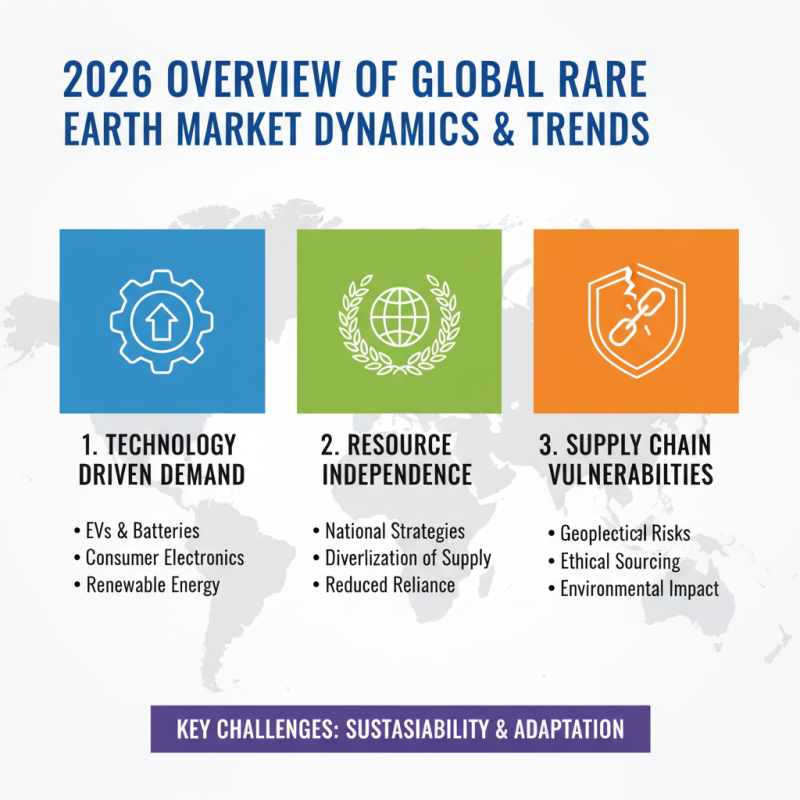
2026 Overview of Global Rare Earth Market Dynamics and Trends
The global rare earth materials market is evolving rapidly. Increasing demand from technology sectors is reshaping market dynamics. Countries are focusing on resource independence. This trend exposes vulnerabilities in supply chains. It raises questions about sustainability and ethical sourcing. Companies need to adapt quickly.
China continues to dominate production. However, other countries are investing in their own mining capabilities. New deposits are being explored worldwide. The geopolitical landscape is also shifting. Nations are forming alliances to secure supplies. This creates both opportunities and challenges for global buyers and suppliers.
The market faces critical issues. Environmental concerns are rising alongside production demands. Companies must ensure they minimize ecological impacts. There is a growing need for technology to recycle rare earth materials. Innovation in this area could lead to more sustainable practices. As the market matures, transparency and accountability will become essential. Finding reliable partners will be key for success.
Key Rare Earth Elements: Importance and Applications in Industries
Rare earth elements (REEs) play a crucial role across various industries. These materials, like neodymium and dysprosium, are vital for creating powerful magnets. According to a 2022 report by the US Geological Survey, global demand for rare earths is projected to grow by 5% annually by 2026. This increase highlights their importance in green technologies and electronics.
The automotive industry relies heavily on REEs for electric vehicle (EV) batteries and motors. A study from IDTechEx forecasts a significant rise in EV production, driving up the demand for these elements. Beyond transportation, REEs are essential in defense, telecommunications, and renewable energy sectors. Industries use these materials to enhance efficiency and reduce size.
Tips: When sourcing rare earth materials, focus on suppliers with transparent practices. Quality assurance is critical. Keep an eye on geopolitical factors that may impact supply. Diversifying your supplier base can mitigate risks associated with reliance on a single source. Balancing sustainability with demand is a challenge. Reevaluating usage and recycling methods can lead to more responsible consumption of these critical resources.
2026 Top Rare Earth Materials: Importance and Applications
Supply Chain Analysis: Major Producers and Their Strategic Positions
As the demand for rare earth materials escalates, understanding the supply chain becomes essential. Major producers, often located in specific regions, control a large share of the market. Countries such as China dominate production. This creates a strategic advantage for them. However, relying on a limited number of suppliers poses risks. Disruptions can occur due to geopolitical tensions or natural disasters.
The strategic positions of these producers vary significantly. Some focus on extraction, while others invest in processing and refining. This diversification can enhance stability in supply. Companies aiming to secure materials often build partnerships with local miners. Such collaborations help mitigate risks associated with supply chain disruptions. There is also an increasing emphasis on recycling and innovation in material use.
In this evolving landscape, challenges are evident. Emerging players try to enter the market, but face hurdles in scaling operations. Regulatory constraints can limit expansion efforts. Additionally, the environmental impact of mining practices raises concerns. Balancing supply needs with sustainable practices requires continued effort. Overall, understanding the dynamics of major producers is crucial for global buyers and suppliers engaged in the rare earth materials sector.
Market Forecast: Pricing Trends and Demand Projections for 2026
The rare earth materials market is experiencing significant shifts. By 2026, pricing trends are expected to fluctuate due to various factors. The growing demand for electric vehicles and renewable energy technology is driving this change. Buyers should stay informed about these developments, as they influence material availability.
Market projections indicate that prices may rise as supply chains become more complex. Geopolitical tensions can impact sourcing strategies. Buyers might need alternative approaches to ensure stability in their supply. Keeping track of market dynamics is essential. Limited transparency in some regions adds to the complexities.
Competition among suppliers is increasing. Some may struggle to maintain quality while scaling production. This opens a door for new players. Evaluating potential suppliers based on reliability is crucial. Buyers should also consider regional sourcing to mitigate risks. With these factors in mind, staying adaptable will be key to navigating the evolving landscape of the rare earth materials market.
2026 Top Rare Earth Materials for Global Buyers and Suppliers
| Material |
2026 Projected Price (USD/kg) |
2026 Demand Projection (metric tons) |
Key Applications |
| Neodymium |
$100.00 |
20,000 |
Magnets, Electric Vehicles |
| Lanthanum |
$22.00 |
15,000 |
Catalysts, Glass |
| Praseodymium |
$95.00 |
5,000 |
Alloys, Lasers |
| Dysprosium |
$500.00 |
3,000 |
Hard Disk Drives, Electric Motors |
| Samarium |
$35.00 |
1,500 |
Magnets, Nuclear Reactors |
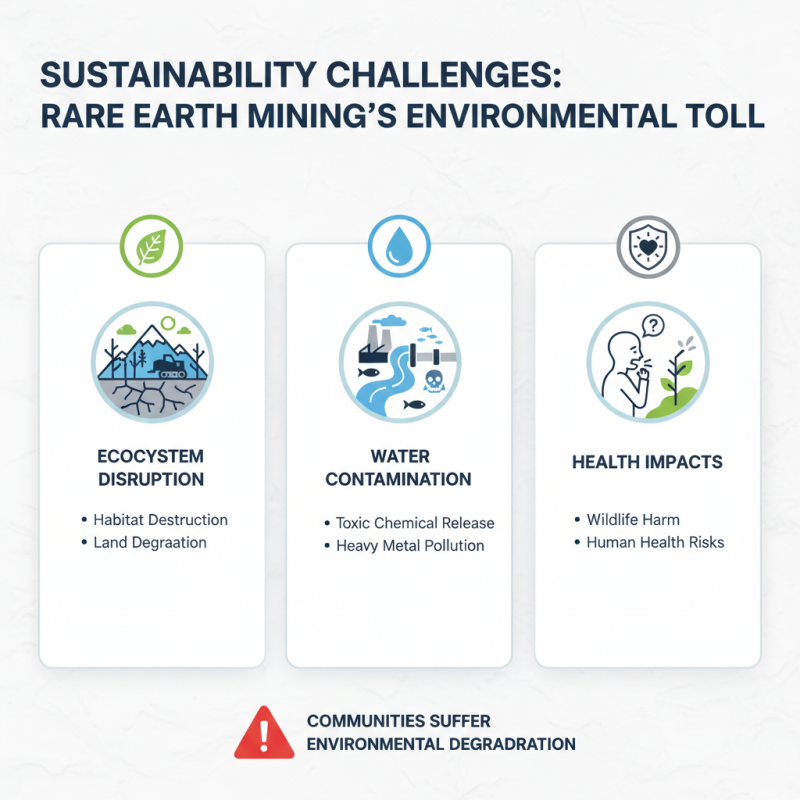
Sustainability Challenges: Environmental Impact of Rare Earth Mining
The extraction of rare earth materials poses significant sustainability challenges. Mining operations disrupt local ecosystems. Contamination of water supplies is a real concern. Heavy metals and toxic chemicals are released during the processing of ores. These pollutants can impact wildlife and human health. Communities near mining sites often bear the brunt of environmental degradation.
Moreover, the energy consumption involved in rare earth mining is alarming. It consumes significant quantities of fossil fuels, contributing to greenhouse gas emissions. The carbon footprint of rare earth production can undermine global climate goals. Additionally, the reclamation of mined lands remains inadequate. Many sites are left barren and polluted. This calls for a serious evaluation of current mining practices.
Addressing these challenges requires innovative solutions. Recycling rare earth elements presents a feasible alternative. Enhanced regulations for mining practices can help mitigate environmental impacts. Education on sustainable practices is essential for all stakeholders. Balancing the demand for rare earth materials with ecological preservation remains a complex task. Ongoing dialogue among industry experts, governments, and communities is vital for creating a more sustainable future.