
Leave Your Message

Top 10 Types of Rare Earth Materials for Global Buyers

Rare earth supply chains are more complex than a simple list of chemical names. A global buyer may need cerium oxide for glass polishing, neodymium for permanent magnets, or yttrium for advanced ceramics. Each application demands different purity, particle size, form, and documentation. This guide introduces ten important types of Rare Earth Material used across electronics, renewable energy, automotive systems, medical equipment, and industrial manufacturing.

The selection process should begin with the end product, not the lowest quoted price. Buyers should compare oxide, carbonate, metal, alloy, powder, and magnet forms carefully. Certificate of analysis, impurity limits, batch consistency, packaging, and transport conditions can affect production results. In practical sourcing, a small variation in dysprosium content may influence magnet performance. Moisture exposure can also change powder handling and storage requirements. These details matter.

Reliable purchasing requires more than supplier promises. Buyers should request traceability records, technical data sheets, samples, and independent test results when appropriate. They should also review applicable import rules, environmental requirements, restricted-substance standards, and responsible sourcing policies in the destination market. No universal ranking fits every factory. That point is easy to miss.

This overview is designed for procurement teams, engineers, distributors, and technical decision-makers. It combines application knowledge with practical buying considerations. Some categories overlap, and market terminology is not always consistent. That weakness deserves attention. Still, the framework can help buyers ask sharper questions, reduce specification errors, and build more dependable rare earth procurement strategies.
Top 10 Types of Rare Earth Materials for Global Buyers

Rare Earth Materials: Definition and Classification

Top 10 Types of Rare Earth Materials for Global Buyers

Rare earth materials are a group of 17 metallic elements. They include 15 lanthanides, plus scandium and yttrium. The name sounds misleading. Most are not truly scarce, but they are difficult to separate and refine economically. Buyers commonly classify them as light rare earth elements, such as lanthanum, cerium, praseodymium, and neodymium, or heavy rare earth elements, such as terbium, dysprosium, and yttrium. The boundary is not always neat.

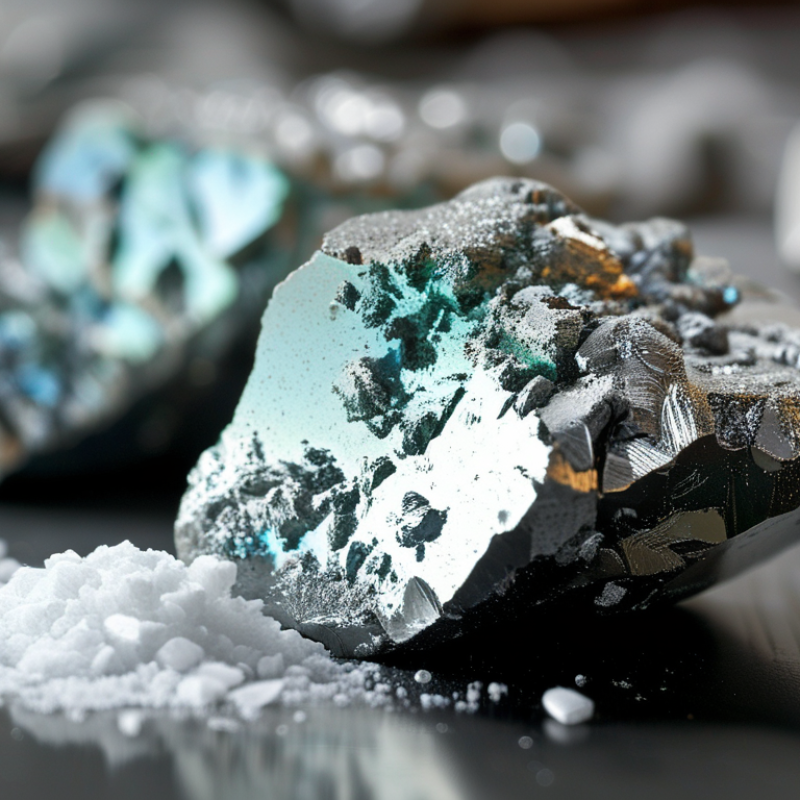
Commercial classification also depends on material form. Common types include mineral concentrates, mixed carbonates, separated oxides, chlorides, metals, and master alloys. Ten frequently traded elements are lanthanum, cerium, praseodymium, neodymium, samarium, europium, gadolinium, terbium, dysprosium, and yttrium. Each has different uses and purity expectations. Neodymium oxide may appear as a fine white powder, while rare earth metal can arrive as compact pieces under controlled packaging. These details affect handling, testing, and cost.

Tips for buyers: request the chemical formula, purity basis, particle size, origin statement, and recent laboratory analysis. Confirm whether “99% purity” excludes moisture and non-rare-earth impurities. Ask for lot-specific documents. Small wording differences can change the product. I have seen specifications that looked complete but omitted oxidation state or packaging conditions. That is worth questioning. Reliable sourcing requires technical review, not only a low quoted price.


The Top 10 Rare Earth Materials Used in Global Industries

Global industries rely on ten important rare earth materials: neodymium, praseodymium, dysprosium, terbium, cerium, lanthanum, europium, yttrium, samarium, and gadolinium. Each material supports different technical requirements. Neodymium and praseodymium strengthen permanent magnets used in electric motors and industrial generators. Dysprosium and terbium improve magnet performance at elevated temperatures. Small additions can matter.

Cerium is widely used in glass polishing powders and catalytic systems. Lanthanum supports optical glass, nickel-metal hydride batteries, and specialized ceramics. Europium produces red phosphors for lighting and display applications. Yttrium helps create thermal coatings, lasers, and high-performance ceramics. Samarium serves temperature-resistant magnets and selected electronic components. Gadolinium appears in research materials, medical imaging applications, and neutron-control systems under regulated conditions.

Global buyers should examine purity, oxide content, particle size, moisture, packaging, and traceability before purchasing. A laboratory certificate should match the actual shipment, not merely a sales sheet. Supply conditions can change quickly. The list is not perfect. Some applications substitute materials when prices rise or processing becomes difficult. In my experience, buyers often focus on price first, then discover that inconsistent particle size affects production yield. Clear specifications, independent testing, responsible sourcing records, and documented legal compliance provide stronger purchasing decisions across changing markets.

Top 10 Types of Rare Earth Materials for Global Buyers

The chart presents ten widely used rare earth materials and their atomic numbers. The application notes highlight common industrial uses in magnets, catalysts, optical materials, electronics, medical imaging, ceramics, and lighting.

Atomic numbers are fixed scientific values: cerium 58, lanthanum 57, neodymium 60, praseodymium 59, samarium 62, europium 63, gadolinium 64, terbium 65, dysprosium 66, and yttrium 39.

Key Properties and Industrial Applications of Each Material

Top 10 Types of Rare Earth Materials for Global Buyers

Key Properties and Industrial Applications of Each Material

Rare earth materials support magnets, lighting, optics, and advanced manufacturing. Neodymium provides very strong magnetic force in compact motors and generators. Praseodymium improves magnet performance and colors specialized glass. Dysprosium increases heat resistance in magnets used near electric vehicle motors. Terbium adds coercivity and supports high-performance magnetic components. These materials often appear together in mineral concentrates.

Europium produces sharp red and blue emissions in display phosphors and security lighting. Yttrium offers thermal stability and supports ceramics, lasers, and phosphors. Cerium reacts readily with oxygen, making it useful for polishing powders and catalytic systems. Lanthanum improves optical glass and battery electrode performance. Samarium forms stable magnets for sensors and equipment exposed to higher temperatures. Gadolinium absorbs neutrons and supports medical imaging contrast research and nuclear engineering.

Industrial buyers should verify purity, oxide form, particle size, and trace contaminants. A small impurity can change magnetic strength or ceramic behavior. Supply documentation also matters. Assay results, processing history, and consistent batch testing improve purchasing decisions.

This list is practical, not absolute. Applications overlap, and material performance depends on design, processing, and operating temperature. Some buyers may focus too heavily on price. That can overlook yield losses during manufacturing. Reliable evaluation should compare total performance, not only the quoted material cost.

Quality Grades, Specifications, and Buyer Requirements

Global buyers commonly source ten rare earth materials: neodymium, praseodymium, dysprosium, terbium, samarium, gadolinium, yttrium, lanthanum, cerium, and europium. Each material requires a clear quality grade and declared chemical composition. For oxides, buyers often review rare earth oxide content, purity percentage, and individual impurity limits. For metals, they also check metal basis, alloy ratio, surface condition, and oxygen content.

Specifications should match the final application. Magnet manufacturers may require tight limits for iron, calcium, carbon, and moisture. Ceramic users may focus on particle size, calcination level, and color consistency. A reliable supplier should provide a recent certificate of analysis, batch number, sampling method, and traceability records. Packaging matters too. Sealed inner bags, moisture protection, and accurate net weight reduce handling risks. Small details matter.

Tips: Request a trial batch before signing a large contract. Compare test results with an independent laboratory when the material is critical. Ask whether the stated purity is based on total product weight or rare earth oxide basis. This difference can mislead buyers. Also confirm particle-size testing methods, because “fine powder” is not a measurable specification. I have seen technically attractive offers fail during production because the grade looked correct, but moisture and impurity data were missing. Lasanble

Global Sourcing, Supply Risks, and Purchasing Considerations

Top 10 Types of Rare Earth Materials for Global Buyers

Global sourcing requires more than comparing prices. Buyers commonly evaluate neodymium, praseodymium, dysprosium, terbium, lanthanum, cerium, samarium, europium, gadolinium, and yttrium. These materials may arrive as oxides, metals, salts, alloys, or mixed concentrates. Each form supports different applications and creates different handling requirements. Supply is rarely linear.

In procurement reviews, I check purity, particle size, assay methods, packaging, and delivery history. A quoted 99.9% purity level may still hide important differences in trace elements. Buyers should request independent test reports and confirm whether specifications match production equipment. Traceability matters. Mining origin, separation location, and processing records can affect compliance and customer acceptance. Documentation should be checked before deposits are paid, not after shipment delays appear.

Supply risks differ across the ten materials. Dysprosium and terbium can face tighter availability because production is concentrated in fewer regions. Cerium and lanthanum are usually more accessible, but demand changes can still disrupt pricing. Export controls, transport interruptions, energy costs, and currency movements require scenario planning. Dual sourcing sounds sensible, yet two suppliers may depend on the same upstream processor. That weakness is easy to miss. Buyers should compare lead times, minimum order quantities, buffer stock, payment terms, and replacement grades. A lower price is not always economical when requalification takes months. I would also review contract clauses carefully, especially those covering delayed delivery, failed analysis, and specification changes. Mistakes happen, even in experienced teams.

Top 10 Types of Rare Earth Materials for Global Buyers – Global Sourcing, Supply Risks, and Purchasing Considerations

Rank Rare Earth Material Symbol / Atomic Number Typical Commercial Forms Major Industrial Applications Global Sourcing Characteristics Supply Risk Assessment Key Purchasing Considerations
1 Neodymium
Nd
60 Oxide, metal, ferroalloy, and neodymium–iron–boron magnet feedstock High-performance permanent magnets for electric motors, wind turbines, industrial drives, robotics, and hard disk drives Demand is closely linked to clean-energy equipment, electric mobility, and advanced manufacturing. Mining and separation capacity is geographically concentrated. Very High Specify Nd purity, magnetic-grade requirements, oxygen and metallic impurity limits, form, particle size, packaging, certificate of analysis, and long-term supply allocation.
2 Praseodymium
Pr
59 Oxide, metal, didymium mixture, and magnet alloy feedstock Permanent magnets, aircraft and automotive alloys, specialized glass coloring, and high-temperature materials Often produced together with neodymium, so availability is connected to the mixed Nd–Pr product stream and magnet-market demand. Very High Confirm the Nd/Pr ratio, total rare-earth content, individual impurity profile, oxidation state, moisture limits, and whether the material is suitable for alloying or magnet production.
3 Dysprosium
Dy
66 Oxide, metal, fluoride, and magnet additive High-coercivity permanent magnets used in high-temperature motors, generators, aerospace systems, and precision equipment Usually recovered as a heavy rare earth from limited ore resources. Separation is technically demanding and supply is less flexible than for light rare earths. Very High Control Dy content and distribution in magnet alloys, verify heavy rare-earth purity, assess radiation and hazardous-material requirements, and secure qualified alternative sources.
4 Terbium
Tb
65 Oxide, metal, fluoride, and phosphor-grade compound High-temperature permanent magnets, green phosphors, magnetostrictive materials, sensors, and specialized electronic components A relatively scarce heavy rare earth with limited production volumes. Supply is strongly affected by separation capacity and technology demand. Very High Define minimum Tb purity, allowable levels of Dy, Gd, and other heavy rare earths, particle-size distribution, traceability, and approved substitution options.
5 Lanthanum
La
57 Oxide, carbonate, chloride, metal, and mixed rare-earth concentrate Fluid-cracking catalysts, optical glass, camera lenses, battery electrodes, polishing materials, and specialty ceramics Commonly recovered with cerium and other light rare earths. Supply can be relatively available, but demand varies by catalyst and glass markets. Medium Match the grade to the application, particularly for catalyst or optical use. Check purity, carbonate or chloride content, moisture, calcination condition, and consistency between lots.
6 Cerium
Ce
58 Oxide, carbonate, nitrate, metal, and polishing slurry Glass polishing, automotive catalysts, ultraviolet-absorbing glass, decolorizing agents, and precision surface finishing One of the most abundant rare earths in many deposits. Supply is generally broader, although high-specification polishing and catalyst grades require controlled processing. Medium Specify CeO₂ content, valence ratio, median particle size, abrasive performance, surface area, iron and radioactive-element limits, and slurry stability where applicable.
7 Yttrium
Y
39 Oxide, metal, nitrate, stabilized zirconia, and phosphor compound Advanced ceramics, thermal-barrier coatings, lasers, phosphors, solid-oxide fuel cells, and medical or industrial optical components Classified as a heavy rare earth and frequently associated with ion-adsorption or other specialized deposits. Supply depends on both mining and high-purity separation. High Verify Y₂O₃ purity, zirconium and hafnium levels, particle size, sintering behavior, radioactivity documentation, and compatibility with the intended ceramic or coating process.
8 Samarium
Sm
62 Oxide, metal, samarium–cobalt alloy, and chemical compound Samarium–cobalt permanent magnets, neutron-absorbing materials, lasers, ceramics, and specialized electronic equipment Usually recovered alongside other light and medium rare earths. Magnet-grade demand is specialized, while high-purity material may require additional refining. High Specify alloy composition, Sm content, cobalt ratio where relevant, corrosion requirements, magnetic performance, oxygen level, and storage conditions for metal or alloy products.
9 Europium
Eu
63 Oxide, nitrate, chloride, and phosphor-grade compound Red and blue phosphors, display technologies, fluorescent lighting, security inks, and specialized luminescent materials Production volumes are small and largely dependent on separation from mixed rare-earth concentrates. Demand is sensitive to changes in display and lighting technologies. High Control Eu³⁺/Eu²⁺ oxidation state, phosphor brightness, moisture, particle morphology, trace impurities, packaging, and batch-to-batch luminescence performance.
10 Scandium
Sc
21 Oxide, metal, fluoride, iodide, and aluminum–scandium master alloy Aluminum–scandium alloys, solid-oxide fuel cells, high-intensity lighting, lasers, and advanced aerospace materials Scandium is rarely mined as a primary product and is generally recovered as a by-product from other mineral or industrial streams. Market liquidity is limited. Very High Confirm Sc₂O₃ equivalent, alloying recovery rate, iron and silicon limits, particle size, origin documentation, supply continuity, qualification testing, and recycling or recovery options.

Purchasing note: Supply-risk labels are qualitative and reflect factors such as geographic concentration, by-product dependence, processing complexity, market liquidity, and substitution difficulty. Buyers should validate specifications, origin, regulatory status, responsible-sourcing documentation, and current availability for each purchase.