China has become a significant sourcing base for Cerium Oxide, serving glass, polishing, catalyst, and electronics industries. Global buyers often seek stable purity, controlled particle size, reliable packaging, and practical export support. Yet supplier names alone do not prove manufacturing capability. A credible review should examine production facilities, laboratory testing, quality systems, and customer-facing documentation.
This guide considers Chinese manufacturers through a buyer’s working lens. It looks at cerium oxide grades, cerium content, particle distribution, moisture control, and batch consistency. It also reviews technical data sheets, certificates of analysis, sample policies, lead times, and packaging details. A sealed 25-kilogram bag may seem ordinary, but weak labeling or poor moisture protection can create avoidable losses. Small details matter.
Experience shows that quotations require careful comparison. A low price may reflect different purity, particle size, minimum order quantity, or delivery terms. Buyers should request recent test results and clarify whether testing is internal or independently verified. They should also check traceability from raw material intake to final shipment. This is not a perfect ranking. Supplier capabilities can change, and public information may remain incomplete. That limitation deserves attention.
The following overview aims to help procurement teams build a defensible shortlist of China-based Cerium Oxide manufacturers. It emphasizes verifiable evidence rather than promotional claims. Buyers should confirm applicable import, transport, labeling, and workplace requirements in their own markets. A thoughtful inquiry can reveal more than a polished brochure.
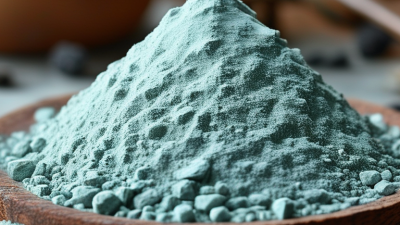
Cerium oxide, also called ceria, is a pale yellow or cream-colored inorganic powder. It contains cerium and oxygen, commonly expressed as CeO2. Its most useful property is reversible oxygen storage. The material can release and absorb oxygen under changing temperatures and atmospheres. This behavior supports catalytic, polishing, and glass-processing applications. Fine particles create controlled abrasive action on glass, optics, and precision components. Its hardness is moderate, but particle shape and dispersion strongly affect surface quality. A smaller particle does not automatically produce a better finish.
In industrial production, calcination temperature influences crystal structure, surface area, and polishing performance. Buyers should review purity, particle-size distribution, moisture, ignition loss, and packaging conditions. A clear certificate of analysis connects laboratory data with actual batch performance. However, test results may vary between methods. Small differences can matter. Ceria is used in emission-control catalysts, glass decolorizing, lens polishing, and electronic manufacturing. In glass work, it can remove fine scratches while preserving transparency. In catalysts, oxygen mobility supports reactions involving carbon monoxide and hydrocarbons. Performance depends on formulation, temperature, and contact time. Industrial users should trial samples under real operating conditions. Specifications alone can mislead. Some grades behave differently despite similar descriptions. Questions about consistency, traceability, and technical support deserve careful attention.
How to Evaluate Cerium Oxide Manufacturers in China
China remains a major rare-earth supplier. The USGS Mineral Commodity Summaries 2025 estimated China produced 270,000 metric tons of rare-earth mine output in 2024, measured as oxide equivalent. This figure covers all rare earths, not cerium alone. It still shows why global buyers examine Chinese suppliers carefully. The IEA Global Critical Minerals Outlook 2024 also highlights China’s strong role in rare-earth processing. A qualified manufacturer should provide traceable raw-material records, recent production data, and a clear quality-control process.
Check the certificate of analysis, not only the product page. Confirm cerium oxide purity, moisture, particle-size distribution, surface area, and impurity limits. Ask whether test methods follow recognized standards, such as ISO or ASTM procedures. Request samples from a normal production batch. Then test them in your own polishing, catalyst, glass, or ceramic process. A bright white powder may still perform poorly. Packaging also matters; sealed moisture-resistant bags and readable batch numbers reduce avoidable losses. I would not trust a polished PDF alone. Supplier claims need independent verification.
Tips: Compare three batch reports. Check production capacity against delivery promises. Visit the factory, if practical. Ask for corrective-action records, not just certificates. No evaluation is perfect. Some buyers focus too much on price and overlook particle behavior, which can become the most expensive mistake.
| Evaluation Dimension | Typical Screening Data | What Global Buyers Should Verify | Recommended Evidence | Priority |
|---|---|---|---|---|
| Cerium Oxide Assay | Common commercial grades range from approximately 99.0% to 99.99% CeO₂. | Confirm whether the quoted purity is based on total rare-earth oxide, CeO₂ assay, or another calculation basis. | Batch-specific certificate of analysis, laboratory test method, and independent verification for initial orders. | Critical |
| Particle-Size Distribution | Typical powder specifications may state D50 values from sub-micrometre levels to several micrometres, depending on the application. | Check D10, D50, D90, measurement medium, dispersion method, and whether the result is based on laser diffraction or another method. | Particle-size report using a defined method such as ISO 13320, plus an application sample. | Critical |
| Specific Surface Area | BET surface area can vary substantially with particle size, calcination temperature, and powder morphology. | Do not compare BET values unless the same degassing conditions and test procedure are used. | BET report referencing ISO 9277 or an equivalent validated method, including degassing conditions. | High |
| Chemical Impurities | Commonly controlled elements include lanthanum, praseodymium, neodymium, samarium, iron, silicon, calcium, sodium, and other rare-earth residues. | Set maximum limits according to the end use; trace-metal limits for polishing, catalysts, ceramics, and optical materials may differ considerably. | Full impurity profile in ppm or percentage, supported by ICP-OES, ICP-MS, XRF, or another suitable analytical method. | Critical |
| Moisture and Loss on Drying | Commercial specifications commonly define a low moisture or loss-on-drying limit, often at or below 0.5%, but the exact value is product-specific. | Verify test temperature, drying duration, sample size, and whether the value refers to moisture only or total volatile loss. | Batch test report with the applicable gravimetric or instrumental method. | High |
| Crystal Phase and Morphology | Cerium oxide is generally supplied as a fluorite-structured crystalline oxide; morphology and agglomeration influence performance. | Evaluate crystallinity, agglomeration, particle shape, and dispersion behavior rather than relying on chemical purity alone. | X-ray diffraction pattern, scanning electron microscopy images, and dispersion-performance test results. | High |
| Application Performance | Relevant tests may include polishing removal rate, surface roughness, catalytic activity, sintering behavior, or optical-quality results. | Require testing under conditions that match the buyer’s substrate, slurry concentration, temperature, pressure, and process speed. | Technical data sheet, application test report, trial sample, and acceptance criteria agreed before mass production. | Critical |
| Quality-System Control | A documented quality-management system should control incoming materials, production parameters, laboratory testing, nonconformities, and corrective actions. | Confirm the scope and validity of any quality certification rather than accepting a certificate number without verification. | Current quality certificate, audit questionnaire, process-control records, and calibration records for key instruments. | High |
| Batch Traceability | Each shipment should be linked to a production batch, raw-material records, test results, packaging date, and quantity. | Check that the batch number on the bags, certificate of analysis, invoice, and shipping documents is consistent. | Sample certificate of analysis, lot-label photograph, traceability procedure, and retention-sample policy. | High |
| Packaging and Handling | Cerium oxide powder is commonly packed in sealed moisture-resistant inner bags placed in cartons, woven bags, or fiber drums. | Define net weight, pallet configuration, moisture protection, labeling language, and damage-prevention requirements before shipment. | Packaging specification, export labels, safety data sheet, and pre-shipment packaging photographs. | Medium |
| Regulatory Documentation | International shipments may require an SDS, product classification information, composition details, and destination-market compliance documentation. | Confirm requirements for the importing country, intended use, worker exposure, transport, waste handling, and customer-specific restricted substances. | Current SDS, product specification, declaration of compliance where applicable, and customs classification support. | High |
| Sample and Pilot-Order Policy | A reliable supplier should be able to provide representative samples with matching specifications and identifiable batch information. | Compare sample results with pilot-batch results and define acceptable variation before signing a long-term supply agreement. | Signed sample specification, retained sample, pilot-order test report, and written approval procedure. | Critical |
| Production and Delivery Capability | Evaluate stated monthly capacity, minimum order quantity, standard lead time, reserve capacity, and continuity of raw-material supply. | Separate laboratory or sample capability from stable commercial-scale production capability. | Capacity statement, production schedule, lead-time record, business-continuity plan, and shipment-performance history. | High |
| Commercial Specification Control | The purchase specification should define assay, impurity limits, particle size, moisture, packaging, inspection method, and acceptance criteria. | Avoid purchasing solely by grade names such as “high purity” or “micron grade,” because these terms can vary between suppliers. | Signed technical specification, quality agreement, inspection plan, and clearly defined rejection or replacement terms. | Critical |
Leading Chinese Cerium Oxide Manufacturers for Global Buyers
China remains a major source of cerium oxide for polishing, catalysts, glass, and ceramics. The USGS Mineral Commodity Summaries 2025 reported China’s 2024 rare-earth mine production at about 270,000 metric tons of rare-earth-oxide equivalent. Cerium is only one component, so this figure does not represent cerium oxide output directly. That distinction matters.
Leading Chinese manufacturers usually offer several grades, including high-purity powder, polishing compounds, and application-specific materials. Experienced buyers should examine cerium oxide content, particle-size distribution, moisture, and ignition loss. A reliable supplier should provide batch-specific certificates of analysis, traceability records, and consistent packaging. In practice, sample testing can reveal differences that a specification sheet misses. My own caution is simple: “99.99% purity” alone does not guarantee stable polishing performance.
Tips: Request three recent batch reports, not one. Compare median particle size, surface area, and dispersion behavior. Confirm whether the quoted grade is suitable for glass, optical components, or automotive catalysts. Ask for production capacity and realistic lead times. The International Energy Agency has repeatedly highlighted supply-chain concentration as a risk for critical minerals, making secondary sourcing and inventory planning sensible. However, holding excessive stock can create moisture exposure and capital costs. Audit carefully.
Typical commercial purity benchmarks used when comparing cerium oxide grades for international procurement
Higher-purity cerium oxide is commonly specified for optical polishing, advanced glass and electronics, while lower-purity material is often used in general glass, ceramics and catalyst applications. Actual specifications, particle size and trace-element limits should be confirmed with each supplier.
Global buyers should evaluate cerium oxide manufacturers through measurable quality systems, not attractive catalogue claims. The USGS Mineral Commodity Summaries 2025 reports approximately 390,000 metric tons of rare-earth oxide equivalent mined worldwide in 2024. China supplied about 270,000 tons, highlighting its major production role. However, output scale does not guarantee consistent cerium oxide quality.
Look for ISO 9001 certification, documented batch traceability, and ISO/IEC 17025 testing capability. ISO 14001 can indicate structured environmental management. Ask for recent certificates, audit dates, and the laboratory’s testing scope. A proper certificate of analysis should state CeO2 purity, particle-size distribution, moisture, loss on ignition, and impurities such as iron, lanthanum, praseodymium, and neodymium. Common industrial grades may specify 99.9% or 99.99% purity. Particle data should include D50, D90, and measurement method. It matters.
In practical purchasing, request sealed lot samples before approving a contract. Compare powder color, flowability, sedimentation, and polishing performance under identical conditions. A low iron level may be essential for optical glass or precision polishing. Packaging also deserves attention: moisture-resistant inner liners and lot labels reduce avoidable variation. One weakness remains. Certifications can expire, while product specifications may change quietly. Buyers should verify each shipment against the agreed specification and retain independent test results. The International Organization for Standardization and USGS provide useful reference points, but supplier-specific evidence still carries greater weight.
China remains a major source of rare-earth materials. The USGS Mineral Commodity Summaries 2025 estimated China’s 2024 rare-earth mine production at 270,000 metric tons of rare-earth oxide equivalent. This figure covers the broader rare-earth group, not cerium oxide alone. Buyers should avoid treating it as a direct cerium supply figure. Request recent production records, test certificates, and batch traceability before negotiating.
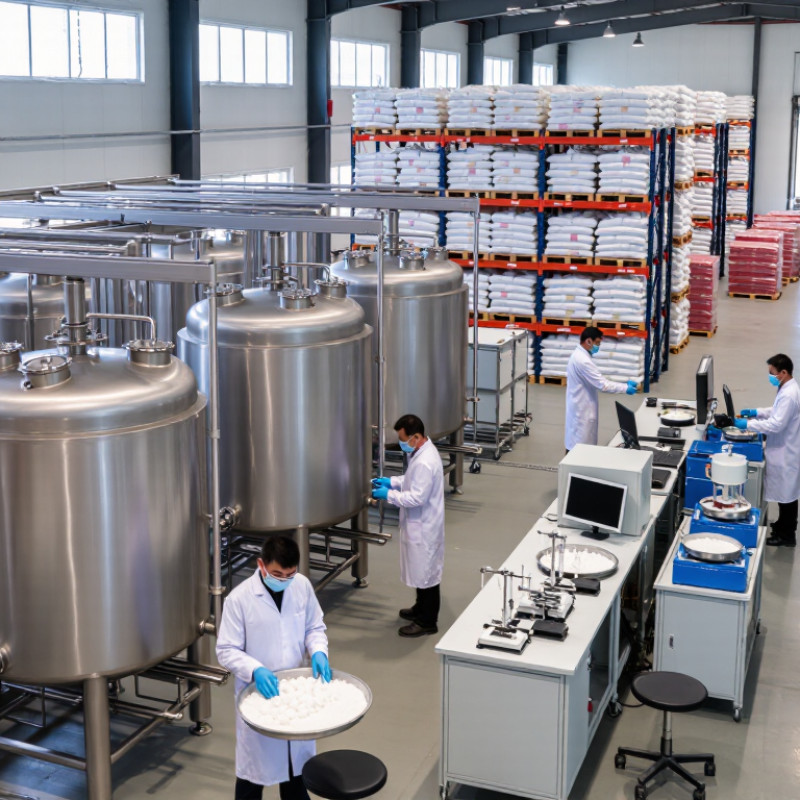
Export quality depends on more than purity. Ask for cerium oxide content, particle-size distribution, moisture, and impurity limits. A practical shipment may use sealed polyethylene liners inside fiber drums or reinforced bags. Pallets should resist compression and remain dry during port storage. Packaging details matter. One damaged liner can contaminate an otherwise acceptable batch. The supplier should provide an SDS, commercial invoice, packing list, certificate of origin, and inspection documents required by the destination market.
Pricing usually reflects purity, particle size, order volume, energy costs, and freight conditions. A low quotation may exclude export handling, testing, or inland delivery. Compare offers using the same Incoterm and shipment weight. Industry market reports often provide broad estimates, but they may differ because analysts define “cerium oxide” differently. That limitation deserves attention. Select suppliers with stable lead times, transparent specifications, responsive technical staff, and a clear claims process. A small trial order is often more revealing than a polished presentation.