How to Source Rare Earth Metals for Your Business Needs?
Rare Earth Metals are crucial for modern technology. These materials enable advancements in electronics, renewable energy, and defense industries. The global market for rare earth elements is projected to reach approximately $10 billion by 2025, according to market research reports. Sourcing these materials is essential for businesses aiming for innovation and competitiveness.
Despite their importance, sourcing Rare Earth Metals can be challenging. The extraction process is complex and often environmentally detrimental. Moreover, geopolitical factors impact supply stability. A significant portion of rare earths is produced in China, which controls around 60% of the global supply. This monopolistic situation leads to vulnerabilities for businesses reliant on these materials.
To navigate this landscape, businesses must adopt sustainable sourcing strategies. Collaborating with certified suppliers can enhance credibility. Investing in recycling initiatives can reduce dependency on newly mined materials. As the demand for Rare Earth Metals grows, responsible sourcing will become paramount.
Understanding Rare Earth Metals: Definition and Importance
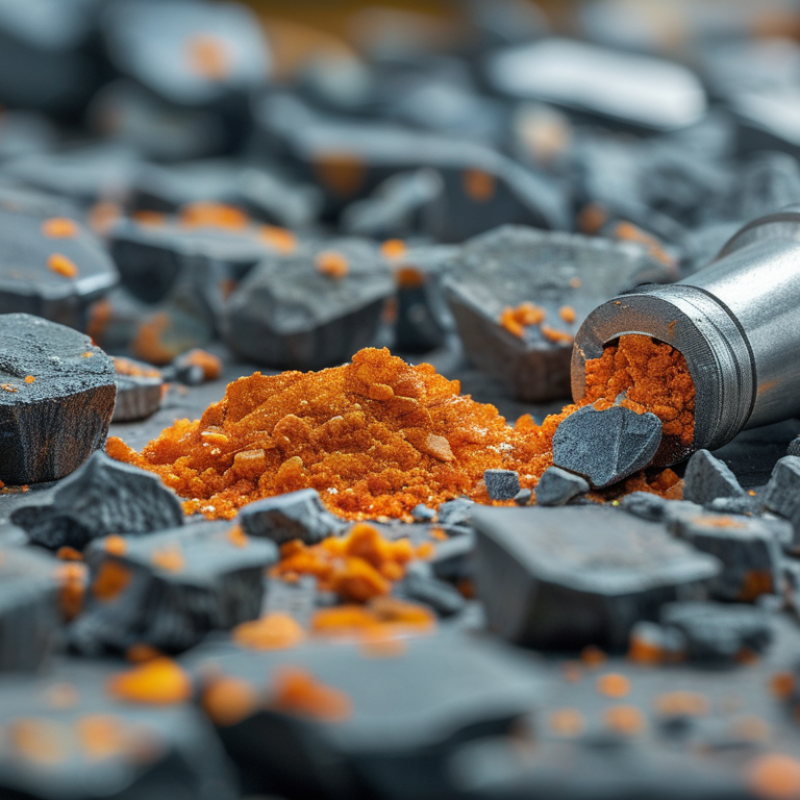
Rare Earth Metals (REMs) are critical for various industries, including electronics, renewable energy, and defense. These elements, such as neodymium and dysprosium, enable advancements in technologies like electric vehicles and smartphones. According to a 2023 report by the U.S. Geological Survey, global demand for REMs is projected to rise sharply, highlighting their increasing importance.
The rarity of these metals makes sourcing them a complex task. The production of REMs is concentrated in a few countries, with China leading the way. This creates supply risks for businesses relying on these materials. Companies need to evaluate potential suppliers carefully. Factors include ethical mining practices and sustainability certifications. These aspects affect both brand reputation and operational reliability.
Tips for sourcing:** Always perform due diligence on your suppliers. Look for certifications that ensure responsible mining. Keep an eye on geopolitical developments that may impact supply chains. Diversifying your sources can mitigate risks. Stay informed about technological advancements that may change REM usage. Balancing cost and ethical sourcing is crucial for long-term success in your business.
How to Source Rare Earth Metals for Your Business Needs?
| Metal |
Atomic Number |
Uses |
Global Production (2021, in tons) |
Primary Producers |
| Lanthanum (La) |
57 |
Camera lenses, catalysts |
5,200 |
China, Australia |
| Neodymium (Nd) |
60 |
Powerful magnets, lasers |
12,900 |
China, USA |
| Samarium (Sm) |
62 |
Magnets, lasers |
2,300 |
China, Russia |
| Dysprosium (Dy) |
66 |
High-performance magnets |
1,300 |
China, USA |
| Yttrium (Y) |
39 |
LEDs, phosphors |
1,800 |
China, India |
Identifying Your Business Requirements for Rare Earth Metals
Identifying your business requirements for rare earth metals is a crucial first step. Start by understanding the specific applications for these materials. Are you using them in electronics, magnets, or renewable energy technologies? Each application demands different types of rare earth elements. Gathering this information will help streamline your sourcing strategy.
Next, consider the volume of materials you need. Rare earth metals are not only limited in availability but can also be costly. Knowing your requirements can prevent over-ordering, which ties up capital. Conversely, under-ordering may lead to production delays. You may want to conduct a thorough market analysis to anticipate future needs. Research and evaluate potential suppliers based on reliability and quality.
Anticipate challenges during sourcing. The fluctuating prices of rare earth metals can impact budgets. Unforeseen regulations might also arise. Build flexibility into your sourcing plan to adjust to these factors. Engage with industry experts to gain insights on best practices for sourcing. Their knowledge can be beneficial for navigating complex supply chains and mitigating risks associated with rare earth metals.
Exploring Global Sources of Rare Earth Metals
Sourcing rare earth metals requires understanding the global landscape. Many countries hold significant reserves. China leads the pack, controlling a large portion of the market. However, dependence on a single supplier can be risky. Diversifying sources is vital for sustainability.
Countries like Australia and the United States are emerging as reliable alternatives. They have vast deposits and are ramping up production. Smaller mining operations in Africa also present potential sources, yet they often struggle with infrastructure and investment challenges. Keep an eye on these regions for promising developments.
Engaging with local suppliers can yield benefits. Establishing relationships fosters cooperation and transparency. You might also consider recycling rare earth materials from existing products. This method not only reduces waste but also contributes to resource sustainability. However, challenges in processing and refining can arise. Exploring partnerships with specialized firms can be a step forward.
Evaluating Suppliers and Their Reliability
When sourcing rare earth metals, evaluating suppliers is crucial. Not all suppliers have the same reliability or quality assurance. It’s essential to check their track record. Recent performance can indicate their reliability. Look for suppliers with a history of consistent delivery and product quality.
Additionally, certifications play a vital role in assessing supplier credibility. Reliable suppliers often possess industry-standard certifications. These certifications show their commitment to quality. However, it’s important to verify these claims. Some suppliers might exaggerate their qualifications. Request documentation and conduct background checks to ensure authenticity.
Communication matters too. A reliable supplier will maintain open channels. They should be responsive to inquiries and transparent about their operations. Take note of how quickly they respond. Delays may indicate potential issues. Trust your instincts. If something feels off, it may be worth exploring other options.
Navigating Legal and Environmental Regulations in Sourcing
Sourcing rare earth metals requires navigating complex legal and environmental regulations. Each country has its own set of rules. It's crucial to stay informed about these guidelines. Companies must conduct thorough research before sourcing materials.
Tips: Collaborate with local experts. Their knowledge can help you understand the regulations better. Build relationships with suppliers who prioritize compliance. This reduces risks associated with sourcing.
Environmental sustainability is another concern. Mining can have significant impacts on ecosystems. Businesses should seek suppliers who engage in responsible mining practices. Look for certifications that reflect environmental stewardship. Transparency is vital in this process.
Tips: Regularly review your supply chain. Identify potential risks related to environmental compliance. Consider conducting audits to ensure your suppliers adhere to regulations. Make sustainability a priority in your sourcing strategy.