What is Rare Earth Material and Why is it Important?
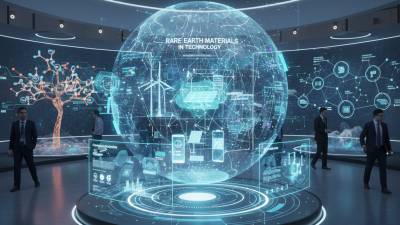
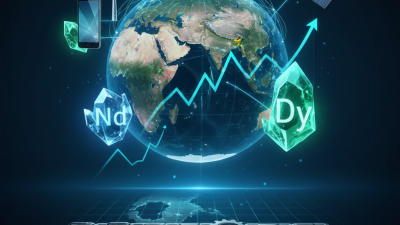
Rare Earth Material plays a crucial role in modern technology and industry. These elements are vital in manufacturing electronics, batteries, and renewable energy systems. According to a recent report by the International Energy Agency, global demand for Rare Earth Material is expected to grow by 50% by 2030. This increase highlights the material's significance in a greener future.
Dr. John Smith, a renowned expert in the field of rare earth elements, emphasized, "Without Rare Earth Material, the green technology revolution cannot proceed." His insights reflect a growing consensus that these resources are indispensable for advancing technologies. Yet, concerns persist regarding the sustainability of supply chains. Mining processes can be environmentally challenging, making it essential to explore responsible practices.
While Rare Earth Material is critical, the industry faces challenges. Some regions dominate production, raising issues of geopolitical stability. Companies must address these risks by diversifying sources. As we move forward, balancing innovation with environmental responsibility will be key. The importance of Rare Earth Material cannot be overstated, but achieving sustainability in its use is a complex task.
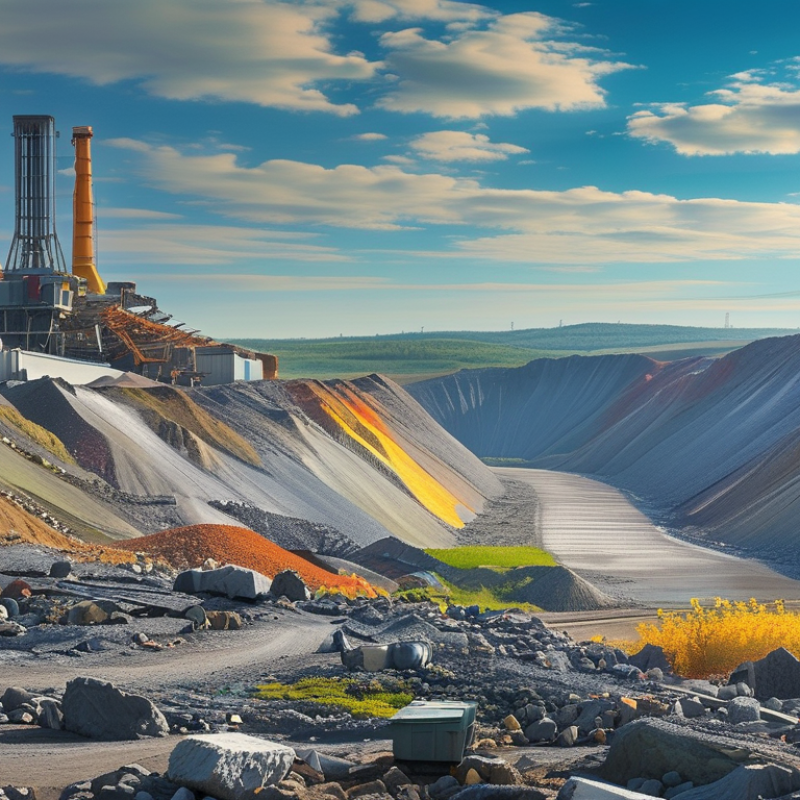
Definition of Rare Earth Materials and Their Composition
Rare earth materials refer to a group of seventeen chemical elements in the periodic table. These elements include lanthanides, as well as scandium and yttrium. They are essential for various high-tech applications. Rare earth materials are often mixed together due to their similar properties.
The composition of rare earth materials is interesting and complex. For example, neodymium is used in powerful magnets, while europium is crucial for red phosphors in screens. Yttrium is vital in superconductors and in certain types of lasers. These materials are not truly "rare" but are often difficult to extract and separate.
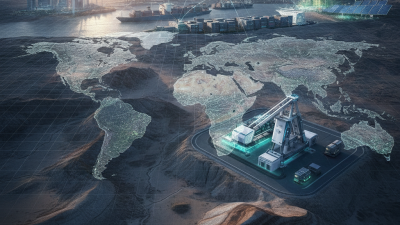
The extraction process poses challenges, both environmentally and economically. Mining can lead to significant ecological damage. Companies face scrutiny over their practices. Moreover, production is concentrated in a few regions. This raises concerns about supply stability. The world increasingly relies on these materials, making their sourcing and sustainability a critical issue.
Historical Context of Rare Earth Material Discovery and Use
Rare earth materials have a rich history that dates back to the late 18th century. Their discovery began with the isolation of cerium oxide from a rare mineral known as cerite. This marked a significant turning point in the study of chemistry. Over the years, more elements were identified, leading to the classification of rare earth elements. These discoveries were often accidental, pointing to the unpredictable nature of scientific exploration.
The use of rare earth materials surged in the 20th century. During World War II, the demand for these materials increased due to their applications in advanced technologies. They were vital in producing strong magnets and phosphors. The post-war era saw a rise in consumer electronics, heightening the importance of rare earth elements in everyday life. However, reliance on these materials presented challenges. Mining practices were often harmful to the environment, leading to debates about sustainability.
Today, rare earth materials are crucial in various industries, from renewable energy to electronics. The geopolitical implications of their extraction and supply chains raise questions about dependency and ethics. As more nations seek to secure their own rare earth supplies, we must reflect on how this impacts global cooperation. Examining our history with these materials can guide us in making informed decisions for the future.
Applications of Rare Earth Materials in Technology and Industry
Rare earth materials are essential in modern technology and industry. They play a crucial role in the production of high-performance magnets, batteries, and electronic devices. These materials, though termed "rare," are often found in abundance, but their extraction and refinement remain complex. This complexity adds to the significance of their use, especially as the demand for advanced technologies rises.
In the realm of electronics, rare earth materials enhance the efficiency of smartphones and computers. They enable vibrant displays and long-lasting batteries. In renewable energy, these materials are vital for wind turbines and electric vehicles. They improve performance and energy output. Yet, there are concerns about the environmental impact of mining these resources.
Tips: Always consider the source of rare earth materials. Look for sustainable practices in their extraction. Many regions face challenges in balancing economic benefits and environmental protection. Reflecting on this can lead to more responsible consumption choices. Awareness of the lifecycle of these materials promotes a more sustainable future.
Applications of Rare Earth Materials in Technology and Industry
Geopolitical and Economic Significance of Rare Earth Materials
Rare earth materials are essential in modern industries. They play a critical role in electronics, renewable energy, and defense technologies. Many technologies rely on these materials for efficiency and effectiveness. Their unique properties make them invaluable for producing magnets, batteries, and catalysts.
The geopolitical significance of rare earth materials cannot be overstated. Countries with abundant reserves hold remarkable economic power. This creates a strategic advantage in global trade and diplomacy. Supply chain vulnerabilities also arise from reliance on a few nations. A sudden disruption can lead to chaos in critical industries. As nations scramble for access, tensions may escalate.
Investing in alternative sources is often discussed, yet challenges remain. Recycling methods are still evolving, and new materials are being researched. Balancing environmental impact with demand is a difficult task. Industry stakeholders must navigate these complexities wisely. The future of rare earth materials requires innovative approaches and robust partnerships.
Environmental Impact of Rare Earth Material Extraction and Processing
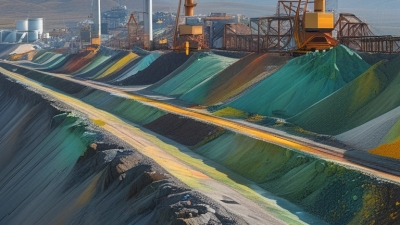
The extraction and processing of rare earth materials have significant environmental implications. Mining these materials often leads to habitat destruction. The process requires large amounts of energy and water. Contaminated runoff can pollute nearby rivers and soil. This pollution can harm local wildlife and ecosystems. Communities near mining sites face health risks due to exposure to toxic substances.
Processing rare earth materials generates hazardous waste. This waste contains radioactive elements and heavy metals. Improper handling leads to long-term environmental damage. Air quality also suffers from emissions released during these processes. The air can be filled with fine particles that pose risks to human health. In many cases, regulations may not be strict enough to prevent such damage.
Public awareness around these issues is growing. Many advocate for sustainable practices in rare earth material extraction. However, current methodologies often lack efficiency and transparency. We must reflect on our dependence on these resources. The challenge lies in balancing technological advancement and environmental stewardship. Without proper oversight, the cost to our planet could be too high.