Leave Your Message

How to Source Rare Earth Materials Globally?

Sourcing a Rare Earth Material is not simply a search for the lowest quoted price. Buyers must match chemistry, processing route, delivery reliability, and documentation to the final product. A useful specification names the required form—oxide, metal, or alloy—along with purity limits and target elements such as neodymium, praseodymium, dysprosium, or terbium. Small details matter. A mismatch can disrupt a magnet line or require costly requalification.

Supply concentration makes global sourcing a resilience issue. The U.S. Geological Survey’s Mineral Commodity Summaries 2025 estimated world rare-earth mine production at 390,000 metric tons in 2024, with China producing about 270,000 metric tons. Mining figures alone do not show where material is separated, refined, or converted into usable products. The International Energy Agency’s Global Critical Minerals Outlook 2024 also highlights the concentration of refining in a small number of countries. That is not the whole picture. Supplier capacity, product quality, and transport routes can change the practical risk for each buyer.

A credible sourcing process compares qualified producers, traders, and recyclers, then checks their production records, analytical certificates, and chain-of-custody information. Ask for recent samples and independent assay results where appropriate. Verify whether a supplier can meet volumes consistently, not just once. Review environmental and labor practices using documented evidence, and assess applicable trade requirements with qualified professionals. Data can be incomplete, and published capacity does not guarantee deliverable material. That uncertainty deserves attention, not optimistic assumptions. A balanced plan may combine several approved sources, realistic inventory, and regular supplier reviews.
How to Source Rare Earth Materials Globally?

Define Rare Earth Requirements and Material Specifications

Before sourcing rare earth materials, define the exact element, compound, and intended application. A magnet alloy, polishing powder, and catalyst can require very different grades. Specify whether composition is reported as elemental content or oxide equivalent; the figures are not interchangeable. Numbers need context.

Set a minimum purity and list critical impurities, such as iron, calcium, or other rare earths. State acceptable limits in parts per million or weight percent, and name the test method where possible. Define physical requirements too: particle-size range, moisture limit, powder or lump form, and packaging that protects material from contamination. Small details matter. I still find particle-size limits easy to overlook, even though they can affect processing and performance. Include sampling and certificate requirements, plus lot identification and country-of-origin information for traceability. Ask how results are measured and whether the reported value applies to each lot or a typical batch. Leave room for realistic tolerances, but do not use vague terms like “high purity.” A clear specification lets suppliers respond with comparable offers and helps buyers identify a material that fits the actual process.

Map Global Reserves, Producers, and Supply Routes

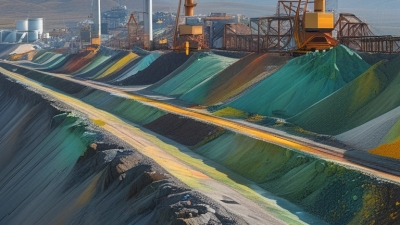
Sourcing rare earth materials starts with a map, but not a simple list of countries. Deposits, operating mines, and separation facilities are often far apart. Their locations can change the commercial picture. Check geological surveys alongside recent production data, and distinguish estimated resources from material actually available to buyers. One number is never enough.

Build a country-by-country view of producers, processing capacity, and transport links. A mine may sit inland, while concentrates travel by rail to a port and then by sea to a refinery. Track border crossings, shipping frequency, port capacity, and alternative routes. Ask suppliers for origin records, processing steps, and realistic lead times. Small details matter: a delayed container or a single congested terminal can disrupt a delivery plan.

Maps can look cleaner than reality. Production figures may be revised, and public data can lag behind operational changes. Compare several credible sources, note the date of each estimate, and flag gaps rather than filling them with guesses. Review exposure to energy shortages, severe weather, and concentrated processing capacity. Then test the map against actual supplier documentation. The picture will still be imperfect, but its limits should be visible.

How to Source Rare Earth Materials Globally? — Map Global Reserves, Producers, and Supply Routes

Estimated rare earth reserves by country, in million metric tons of rare-earth-oxide equivalent (REO).

Reading the supply landscape: Reserves indicate estimated geological resources, not annual mine output or export availability. Material commonly moves from mines as concentrates to separation and refining facilities, then onward to alloy and magnet manufacturing; these stages may take place in different countries.

Source: U.S. Geological Survey, Mineral Commodity Summaries 2024, “Rare Earths.” Reserve estimates are rounded; Greenland is listed separately in the source.

Identify Suppliers and Verify Material Traceability

Rare earth materials often pass through several hands before reaching a component maker. A supplier’s location alone does not establish where material was mined, separated, or refined. Ask for chain-of-custody records by lot, including the feedstock source, processing sites, and transfers between companies. Keep it specific. A broad “responsibly sourced” statement is not enough.

Request dated transfer records, lot identifiers, and certificates of analysis that match the delivered material. Check that names, weights, dates, and product grades align across documents. Where practical, arrange independent testing of a representative sample. Chemistry can confirm composition, but it cannot prove geographic origin. Traceability software may help, yet it is only as reliable as the records entered.

Before approving a supplier, assess its capacity, quality controls, and willingness to disclose upstream partners under appropriate confidentiality. Speak with procurement and quality staff, not only sales. A site visit or documented third-party audit can show whether batches are segregated and records are maintained. There will be gaps. Note them, assign an owner, and set a date for evidence to close each one. Incomplete records deserve scrutiny, but they do not always tell the whole story.

Assess Regulatory, Environmental, and Geopolitical Risks

How to Source Rare Earth Materials Globally?

Global sourcing decisions should begin with a clear view of regulatory exposure. Requirements can differ across mining, processing, transport, and import markets. Check permits, customs documentation, product origin records, and applicable environmental rules before approving a supplier. Keep evidence current; a certificate may not reflect a changed operation. Details matter.

Environmental review should look beyond formal reports. Ask how a site manages water use, waste rock, tailings, and energy demand. Request monitoring data and visit facilities when practical. A dry-season water reading may tell a different story from an annual average. Independent audits can help, but they are not a substitute for direct questions about corrective actions and unresolved findings.

Geopolitical risk can disrupt even a well-documented supply route. Track export policy changes, trade restrictions, transport bottlenecks, and reliance on a small number of processing regions. Diversifying suppliers may reduce concentration, though it can add cost and make traceability harder. No checklist catches everything. A paper trail can look complete while leaving gaps between mine, processor, and trader. Record those uncertainties, set review dates, and keep an alternative sourcing plan realistic rather than merely reassuring.

How to Source Rare Earth Materials Globally? — Assess Regulatory, Environmental, and Geopolitical Risks

Qualitative screening guide for potential sourcing jurisdictions. Conditions vary by project, mineral type, and supply-chain stage; verify current laws, permits, and origin documentation before contracting. This is not a legal or investment assessment.

Jurisdiction Supply-chain context Regulatory considerations Environmental and social risks Geopolitical and supply risks Practical sourcing checks
China Major rare earth miner and the leading global center for separation, refining, and downstream processing. National Rare Earth Management Regulation took effect on October 1, 2024. Mining, smelting, separation, and product traceability are subject to state oversight; export requirements can change. Mining and processing can generate contaminated wastewater, tailings, and chemical residues if controls are inadequate. Check site-specific permits, waste handling, and rehabilitation records. Concentrated processing capacity and evolving trade controls create exposure to licensing changes, export restrictions, and supply interruptions. Confirm the mine and processing locations, applicable export documentation, product classification, chain-of-custody records, and contingency supply for separated products.
Australia An established mining jurisdiction and a significant source of mined rare earth material. Federal environmental assessment may apply under the Environment Protection and Biodiversity Conservation Act; state or territory mining, land-use, and environmental approvals also matter. Assess water use, tailings and waste-rock management, biodiversity impacts, rehabilitation funding, and engagement with Traditional Owners. Generally offers a different sourcing base from China, but new projects and processing capacity may face development, construction, and market-scale-up delays. Check federal and state approvals, Indigenous agreements and consultation records, rehabilitation obligations, and whether the product is mined, separated, or refined domestically.
United States Has domestic rare earth mining and is developing domestic separation and processing capacity. Federal actions may trigger review under the National Environmental Policy Act. Clean Water Act requirements, mining rules, and state-level permits may also apply. Review water discharge, tailings storage, waste management, habitat disturbance, and legacy impacts. Certain rare earth ores may contain radioactive elements requiring specific controls. Domestic sourcing can reduce some overseas exposure, but supply may remain dependent on imported separated materials, chemicals, or components. Verify permits and compliance history; map each processing stage; check radioactive-material handling where relevant; and distinguish domestic mine output from imported intermediate products.
Canada Has rare earth deposits and projects at different stages of development; commercial supply depends on project readiness and processing routes. Federal assessment under the Impact Assessment Act may apply to designated projects, alongside provincial or territorial approvals and Indigenous consultation requirements. Remote sites can involve sensitive water systems, permafrost, biodiversity, and substantial infrastructure footprints. Tailings planning and long-term closure obligations are important. Project timelines may be affected by infrastructure gaps, permitting, financing, and limited domestic processing capacity. Check project stage, permitting status, infrastructure and transport plans, Indigenous engagement, closure plans, and the location of separation and refining.
Myanmar Has been an important source of heavy rare earth feedstock, including material associated with ionic-clay deposits and cross-border processing routes. Verify the legal status of the mine, land access, operating permits, and the full chain of custody. Governance and enforcement conditions can be difficult to assess. Reports of poorly controlled mining in some areas raise concerns about erosion, water contamination, chemical use, and impacts on nearby communities. Armed conflict, political instability, sanctions exposure, and disruptions to border trade can create significant continuity and compliance risks. Apply enhanced origin and beneficial-ownership checks, screen relevant parties against applicable sanctions, require independent environmental and human-rights review, and assess whether the route is traceable.
Brazil Has known rare earth resources and developing project activity; supply availability depends on the specific deposit and project stage. Mining rights and environmental licensing involve federal and state authorities. Land tenure and consultation requirements should be reviewed for the specific project. Assess potential impacts on water, forests, biodiversity, local livelihoods, and waste facilities, particularly where projects are near sensitive ecosystems. Emerging projects may face development, infrastructure, financing, and processing-capacity constraints before they can provide dependable commercial volumes. Confirm the project’s licensing and development stage, land and community engagement records, expected product form, and whether downstream separation is available.
India Has rare earth resources, including monazite-bearing beach sands; the mineral mix and regulatory route can differ from hard-rock projects. Monazite may contain thorium, so atomic-energy and radiation-related controls can affect handling, processing, and access to material, in addition to mining and environmental rules. Coastal extraction can affect dunes, shorelines, groundwater, and local livelihoods. Review rehabilitation and monitoring plans, as well as radioactive-material safeguards where relevant. Material availability and exportability can depend on government controls, permitted processing routes, and project-specific approvals. Identify the mineral source and thorium content, verify authorizations for each handling step, and obtain documentation for environmental monitoring and material transport.

Plan Procurement, Logistics, and Supply Diversification

How to Source Rare Earth Materials Globally?

Plan Procurement, Logistics, and Supply Diversification

Reliable sourcing starts with a precise material specification. Define the required elements, purity, form, volume, and acceptable variation before requesting quotes. Ask suppliers for recent assay results, origin records, and realistic production schedules. Verify key documents independently where practical. A low quote can conceal inconsistent grades or long lead times. Small trial orders help reveal packaging, quality, and communication problems before a larger commitment. They also add cost, which procurement plans sometimes underestimate.

Treat logistics as part of the purchase, not an afterthought. Confirm handling requirements, packaging, shipment milestones, insurance, and backup routes with qualified freight partners. Build time for port congestion and inspection delays. Delays happen. Keep records of batch numbers and document changes from order to delivery. Diversify by qualified suppliers and, where feasible, by production region; adding names to a supplier list is not real diversification if they depend on the same processing route. A spreadsheet can look reassuring while hiding that shared risk. Recheck it regularly.

Tips: Compare total landed cost, not just unit price. Keep a modest buffer for critical materials, and agree on how shortages will be communicated. Test alternate grades before an urgent disruption; substitutions may affect product performance. Review sourcing and import requirements with appropriate compliance professionals, since rules can vary by destination and change over time. That extra review may feel slow, but discovering a paperwork gap at shipment is worse.