How to Effectively Recycle Rare Earth Magnets for Profit?
Rare Earth Magnet Recycling is an emerging industry with significant potential. These magnets are found in various electronic devices, from smartphones to electric vehicles. Their unique properties make them valuable, but recycling them effectively requires expertise and careful processes. Understanding the methods of recycling can significantly enhance profitability.
The first challenge in Rare Earth Magnet Recycling is the separation process. Magnets often contain a mix of materials. Extracting rare earth elements requires specialized techniques. This can be costly and complex. However, investing in proper machinery and skilled labor can lead to positive returns.
Moreover, market demand for recycled rare earth materials is growing. There is a push for sustainability in manufacturing. Companies are looking for reliable sources of recycled materials. This trend presents a lucrative opportunity for those engaged in Rare Earth Magnet Recycling. Engaging with industry experts and staying updated on best practices can improve recycling outcomes.

Understanding Rare Earth Magnets and Their Recycling Potential
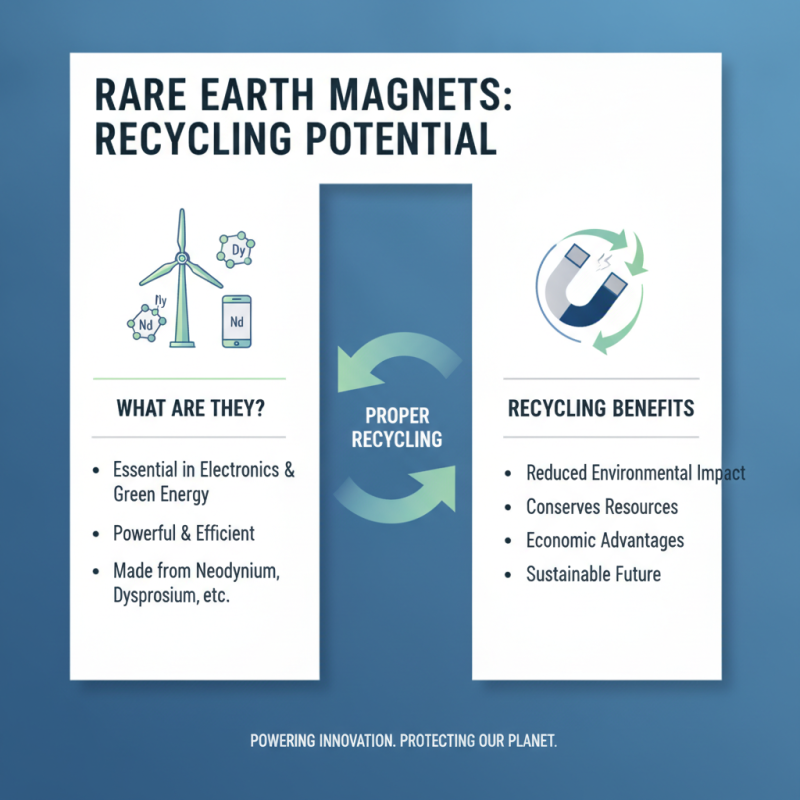
Rare earth magnets are essential components in various industries, from electronics to renewable energy. These magnets are powerful and efficient, made from elements like neodymium and dysprosium. Understanding their structure helps highlight their recycling potential. When recycled properly, these magnets can significantly reduce environmental impact and provide economic benefits.
The recycling process involves separating the magnets from devices and extracting the rare earth elements. This can be complex, as many products integrate magnets in ways that make removal challenging. Efficient methods of disassembly are crucial. However, many still dispose of these magnets incorrectly, as the recycling landscape can be confusing. Not all recycling facilities handle rare earth magnets, leading to lost opportunities for profit.
Recycling can also pose challenges. Some processes can be costly or environmentally detrimental if not managed properly. Awareness of these pitfalls is important, as improper practices can negate the benefits. Despite the hurdles, investing effort in understanding and improving recycling methods can yield positive outcomes for both the environment and the economy. Ultimately, recognizing the full potential of rare earth magnets may lead us to better recycling solutions.
Identifying Sources of Rare Earth Magnets for Recycling
Recycling rare earth magnets can be profitable, but identifying sources is crucial. These magnets are commonly found in various electronic devices. Look for old computers, smartphones, and even hard drives. Many consumers replace gadgets frequently, creating an abundant supply for recycling.
Tips: Check local electronic waste facilities. They often accept discarded electronics and may even allow you to collect magnets from unsold items. Networking with repair shops can also provide access to discarded devices.
Consider approaching industrial sectors. Manufacturing companies often use rare earth magnets in their machinery. They may have surplus or out-of-service items ready for disposal. Building relationships in these industries can yield consistent sources for recycling.
Remember, not every source will be perfect. You might face challenges, like sorting through materials. It’s essential to stay organized and patient. Keep track of the sources that yield the highest returns. Continuous evaluation of your sources will enhance your recycling efforts.
How to Effectively Recycle Rare Earth Magnets for Profit? - Identifying Sources of Rare Earth Magnets for Recycling
| Source Type |
Description |
Potential Quantity (kg) |
Estimated Value ($) |
| Hard Disk Drives |
Recycled from old computer hard drives. |
50 |
200 |
| Electric Motors |
Used in appliances and industrial equipment. |
75 |
300 |
| Magnetic Assemblies |
Scrap assemblies from manufacturing and repair. |
40 |
160 |
| Wind Turbines |
Generators in wind turbines contain rare earth magnets. |
100 |
400 |
| Electric Bicycles |
Batteries and motors often contain rare earth materials. |
25 |
100 |
Techniques for Extracting and Processing Rare Earth Magnets
Recycling rare earth magnets can be a profitable venture, especially as demand grows. These magnets often contain elements like neodymium and dysprosium. Efficient extraction and processing techniques are vital to maximize profits. According to a report by the U.S. Geological Survey, the global market for neodymium magnets is projected to reach $45 billion by 2028.
One effective extraction technique is proper sorting. Separating rare earth magnets from other electronic waste helps streamline the recycling process. Mechanical shredding can break down components but must be followed by magnetic separation. This method not only recovers the magnets but also ensures minimal loss of valuable materials.
Tips: Always be cautious during the extraction process. Improper handling can lead to the loss of materials and potential safety hazards. Additionally, explore partnerships with electronic recycling companies to increase the volume of magnets you can process.
Another technique involves the solvent extraction method. This process dissolves the magnets in suitable solvents, allowing for the separation of rare earth elements. Although this method is effective, it requires careful management of solvents, as improper disposal is harmful. Companies often overlook the environmental aspects of this practice, leading to negative consequences. Keeping sustainability at the forefront is essential for a successful recycling operation.
Market Trends: Valuing Recycled Rare Earth Materials
The recycling of rare earth magnets is gaining momentum in today's market. As industries seek sustainable materials, the value of recycled rare earth materials continues to rise. This trend aligns with global efforts to reduce environmental impact while meeting increasing demand for these resources.
Analyzing market trends reveals a growing interest in sourcing recycled magnets. Many manufacturers actively seek out recycled materials due to economic advantages. This creates a win-win situation: reduced costs and less strain on mining activities. However, not all recycling processes are equal. Some methods may lead to material degradation, impacting profitability. Hence, understanding the proper techniques is crucial for effective recycling.
Experts recommend investing in advanced separation technologies. These can enhance the recovery rates of valuable materials. However, the initial investment may seem daunting. Small businesses need to weigh costs versus potential profits carefully. Not every venture may turn out successful. Continuous learning and adaptation are essential. Embracing the evolving market dynamics can yield significant benefits in the long run.
Market Trends in Recycled Rare Earth Materials
Setting Up a Profitable Rare Earth Magnet Recycling Business
Setting up a profitable rare earth magnet recycling business can be challenging yet rewarding. The global demand for rare earth magnets is significant due to their use in technology and energy. Begin by researching the types of magnets you can recycle. These may include those used in electric motors, hard drives, and wind turbines. Identifying your raw materials is crucial.
Creating an effective collection strategy is essential. Partnering with local businesses can provide a steady supply of used magnets. Attend trade shows or seminars to network with industry experts. Understand the processes involved in separating rare earth elements from the magnets. This knowledge can help you refine your operation.
It's important to establish a reliable supply chain. Consistency in sourcing materials can determine your profitability. Be prepared for occasional setbacks. The recycling process can vary in complexity. Each batch you handle may present unique challenges. Adaptation is key.
Track your expenses meticulously. This will help you to identify areas where you can improve efficiency and increase profit margins. Running a recycling business is an ongoing learning experience. Success requires both specialization and flexibility.