China Best Rare Earth Magnet Recycling Practices and Innovations?
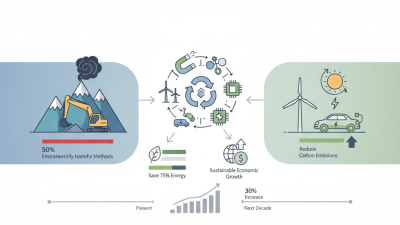
The rapid growth of the rare earth magnet industry poses significant environmental and resource challenges. As the demand for neodymium magnets increases, so does the necessity for effective Rare Earth Magnet Recycling practices. Research indicates that approximately 50% of rare earth elements used in magnets are lost during production and disposal. These losses highlight the urgent need for innovative recycling solutions.
Dr. Wei Zhang, a leading expert in rare earth materials, emphasizes, "Effective recycling can mitigate environmental impacts and conserve vital resources." His insights reflect a growing awareness within the industry of the potential in reclaiming rare earth elements. Advanced recycling technologies developed in China showcase the country's commitment to sustainability.
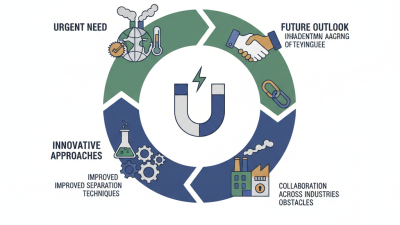
However, challenges persist. Many recycling methods remain inefficient, leading to suboptimal recovery rates. The industry must confront these imperfections and enhance techniques for future developments. With ongoing innovations and collaborations, there is a pathway towards more sustainable Rare Earth Magnet Recycling practices that better protect our planet.
China's Position in Global Rare Earth Magnet Recycling Industry
China plays a pivotal role in the global rare earth magnet recycling industry. According to a report from the International Energy Agency, China accounted for around 70% of global rare earth production in 2022. The country's advanced recycling techniques significantly enhance sustainability efforts. Its innovation in recycling technologies allows for the recovery of critical materials, reducing reliance on raw extraction.
Data from the Chinese Ministry of Industry and Information Technology also highlights a rapid increase in recycling capacity. In 2023, China's ability to recycle rare earth magnets surged to over 20,000 tons per year. However, challenges remain. The quality of recycled materials often does not match that of freshly mined resources. This discrepancy raises questions about the effectiveness of current recycling practices.
**Tip:** Implementing strict standards in quality control can improve material reliability. Encouraging investments in R&D could lead to breakthroughs in recycling efficiency. Collaboration between industry and academia is essential for innovation. Addressing these issues can optimize operations while promoting a circular economy.
China's Position in Global Rare Earth Magnet Recycling Industry
Key Techniques in Rare Earth Magnet Recycling in China
China is at the forefront of rare earth magnet recycling, implementing innovative techniques that showcase both efficiency and sustainability. The country recycles approximately 30,000 tons of rare earth magnets each year, a considerable portion of its total rare earth output. The emphasis is on extracting valuable materials like neodymium and dysprosium. According to industry reports, these elements are critical for various high-tech applications, making recycling vital for resource conservation.
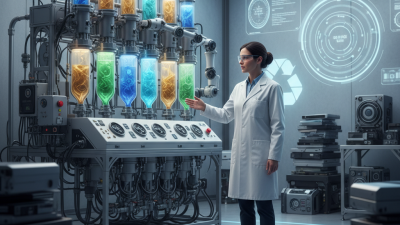
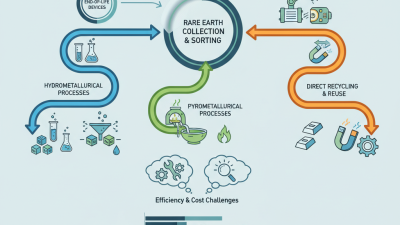
A key technique involves hydrometallurgical processing, which uses chemical solutions to selectively dissolve and recover rare earth elements. This method reduces energy consumption compared to traditional smelting processes, leading to lower emissions. Another innovative practice is urban mining, where recycled materials from electronic waste are sourced. This approach supports the circular economy, aligning with global sustainability goals.
Tips: Focus on identifying local recycling centers specializing in rare earth magnets. Assess the materials around you; many devices contain these valuable components. Don’t overlook the potential of urban mining, as it can contribute to sustainable resource management while providing economic benefits.
China Best Rare Earth Magnet Recycling Practices and Innovations
| Technique |
Description |
Efficiency (%) |
Environmental Impact |
Cost-Effectiveness |
| Hydrometallurgical Process |
Utilizes aqueous solutions to extract rare earths from magnet waste. |
90 |
Low |
Moderate |
| Pyrometallurgical Method |
Involves high-temperature processes to recover rare earths. |
85 |
Moderate |
High |
| Mechanical Recycling |
Physical methods to separate rare earth magnets from other materials. |
75 |
Very Low |
Very High |
| Electrochemical Recycling |
Uses electric current to facilitate the recovery of rare earth metals. |
88 |
Low |
Moderate |
| Biotechnological Methods |
Utilizes biological processes for extracting rare earth elements. |
80 |
Very Low |
High |
Innovations Enhancing Efficiency in Rare Earth Magnet Recovery
Innovations in rare earth magnet recovery are transforming the recycling landscape. Recent studies show that up to 50% of rare earth elements can be recovered from used magnets. Advanced techniques, such as hydrometallurgical and bioleaching processes, are now gaining traction. These methods not only enhance recovery rates but also reduce environmental impact.
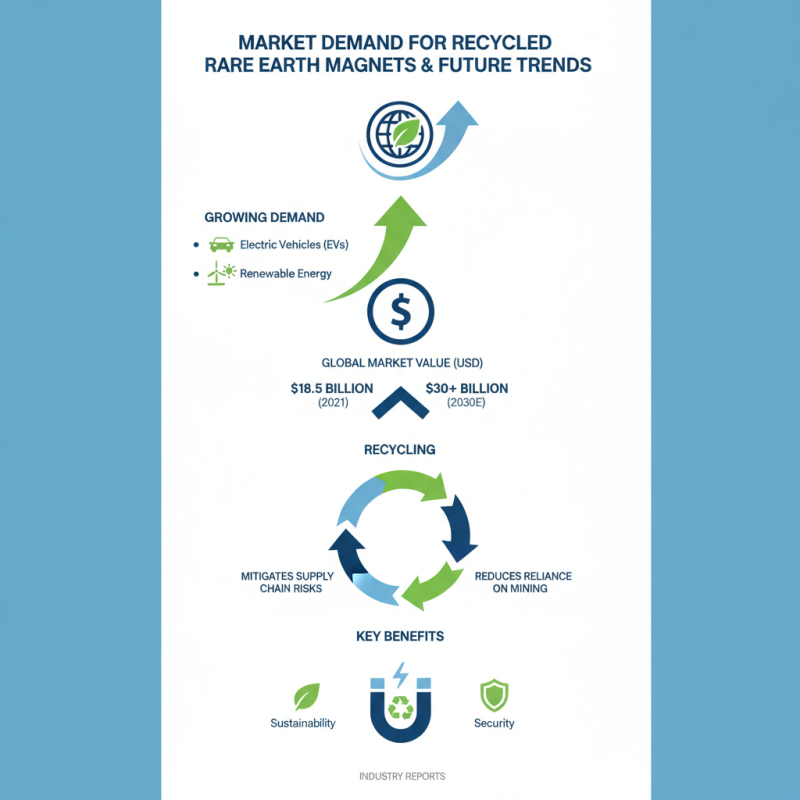
Utilizing automated sorting technologies improves efficiency. Sensors can detect and separate rare earth magnets from other materials. This boosts the overall yield of recyclable materials. According to the International Energy Agency, the demand for rare earth elements is projected to rise by 25% by 2030. Addressing this demand requires innovative recovery practices.
However, challenges remain. The recycling industry struggles with inconsistent quality in incoming materials. This can affect recovery rates. Some facilities still rely on outdated processes. As a result, the industry must continuously adapt. Investment in research and development is crucial. The path forward is to bridge the gap between innovation and practical application in recycling practices.
Impact of Regulatory Policies on China's Recycling Practices
China has emerged as a leader in rare earth magnet recycling. Recent regulatory policies significantly impact how these practices develop. In 2022, China recycled around 1.2 million metric tons of rare earth materials, according to industry data. The government's push for sustainability promotes recycling initiatives.
Current regulations focus on creating a circular economy. The Ministry of Ecology and Environment established stricter guidelines for waste management. These rules encourage enterprises to reclaim valuable magnet materials efficiently. However, not all companies comply fully, leading to variability in recycling rates. Some firms lack the necessary technology to process complex materials.
Despite progress, there are challenges. The recycling rate for rare earth magnets remains below 30%. This figure suggests room for improvement. Advanced technology and increased funding are essential for tackling these issues. As regulations become more stringent, innovative recycling methods must evolve to meet both environmental and economic needs.