China Top Rare Earth Elements Recycling Solutions for Global Buyers?
China has emerged as a leader in Rare Earth Elements Recycling. This increasing global demand for rare earth materials poses challenges. Many countries rely on these elements for technology and manufacturing. However, the supply chain often faces disruptions.
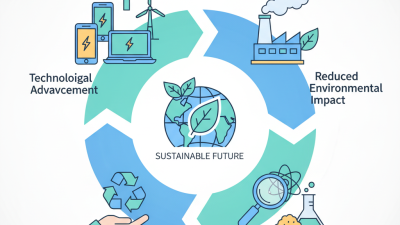
The recycling of rare earth elements is essential for sustainability. China has developed advanced solutions that cater to global buyers. These innovations not only recover valuable materials but also reduce environmental impacts. However, gaps still exist in the recycling process. The efficiency of collection and separation needs improvement.
As the global market evolves, collaboration becomes crucial. International partnerships can enhance recycling methods. Buyers must consider these aspects when sourcing rare earth elements. China’s expertise offers insights into effective recycling strategies, but ongoing challenges remain. Addressing these issues will lead to a more sustainable future for rare earth elements.
China's Role in Global Rare Earth Elements Recycling Market Dynamics
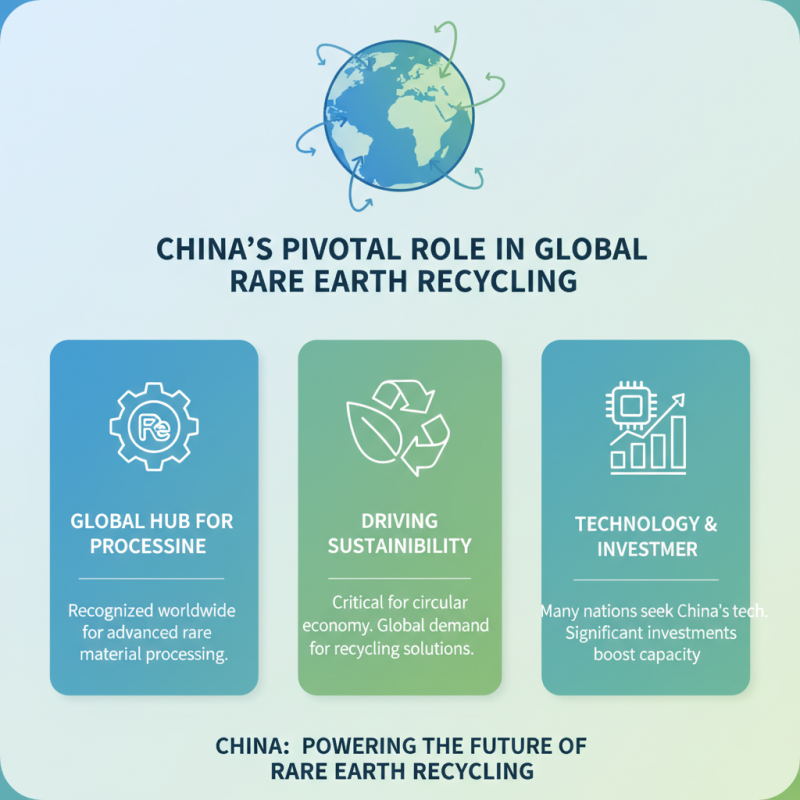
China plays a pivotal role in the global rare earth elements recycling market. Its expertise in processing rare earth materials is recognized worldwide. With a growing emphasis on sustainability, the need for recycling solutions has become critical. Many countries are looking to China for advanced recycling technologies. The country's investments have enhanced its capacities in this field.
The demand for rare earth elements is rising rapidly. This creates challenges in sourcing new materials. Recycling offers an alternative way to meet this demand. China’s recycling facilities are expanding, but they face scrutiny regarding environmental practices. Many experts argue for higher standards and practices that prioritize eco-friendliness. The ambition to lead the recycling sector comes with the need for improvements.
Despite its leadership, there are gaps in technology and efficiency. The recycling processes can be energy-intensive. Refining these processes is vital for sustainability goals. Additionally, fostering partnerships with international entities can enhance capabilities. Although progress is evident, constant reflection on practices will drive innovation. The landscape is evolving, and China’s approach will be critical in setting future standards.
Current Challenges in Rare Earth Elements Recycling in China
China's rare earth elements (REE) recycling sector faces several pressing challenges. One significant issue is the lack of advanced recycling technologies. Current methods often fall short, leading to low recovery rates. According to a report by the International Energy Agency (IEA), recovery rates for certain rare earths can be as low as 30%. This inefficiency hinders China's ability to meet global demand.
Another challenge is the insufficient supply chain integration. Many recycling facilities operate independently, lacking collaboration. This fragmentation complicates logistics and increases costs. The World Bank indicates that establishing a more unified approach could improve material recovery by up to 50%. However, existing policies do not encourage such integration. As a result, valuable resources remain untapped in waste streams.
Additionally, regulatory hurdles impede the growth of the recycling sector. Stricter environmental regulations can delay project approvals. Compliance costs often discourage investment in recycling initiatives. According to industry surveys, 40% of companies cite regulatory barriers as a primary concern. Overcoming these challenges is essential for China to enhance its role in the global REE market and lead sustainable practices in recycling.
Innovative Technologies Used in China for Rare Earth Recycling
China has emerged as a leader in rare earth elements recycling. This transformation is driven by innovative technologies that enhance sustainability. Recent data shows that the rare earth recycling market is expected to grow significantly, with estimates reaching $1.3 billion by 2025. This growth presents a robust opportunity for global buyers.
Advanced techniques such as hydrometallurgical methods and biotechnological approaches are gaining traction. For instance, applying solvent extraction has been crucial for separating valuable metals from electronic waste. Reports indicate that recycling can recover up to 90% of rare earths from discarded devices. However, challenges remain, including the need for efficient collection systems and public awareness.
Tip: Engage with industry experts to understand the best practices in recycling. Collaborative partnerships can also drive innovation.
While China's efforts show promise, there are areas needing attention. For example, the environmental impact of some recycling processes still raises concerns. Continuous improvement is essential to ensure that technology not only meets demand but also adheres to sustainability standards. Striking a balance between efficiency and environmental responsibility is vital for future advancements.
China Top Rare Earth Elements Recycling Solutions for Global Buyers
| Technology |
Efficiency (%) |
Recovery Rate (%) |
Eco-Friendliness |
Investment Cost ($) |
| Hydrometallurgical Process |
85 |
90 |
High |
1,000,000 |
| Pyrometallurgical Process |
80 |
85 |
Medium |
1,500,000 |
| Biotechnological Method |
75 |
80 |
Very High |
750,000 |
| Solvent Extraction |
90 |
95 |
High |
1,200,000 |
| Electrochemical Method |
88 |
92 |
Medium |
1,100,000 |
Market Trends: Projected Growth of China's Rare Earth Recycling Sector
China is positioning itself as a leader in the rare earth elements recycling sector. The demand for these materials is surging globally. With advancements in technology, recycling methods are becoming more efficient. This shift paves the way for sustainability in the industry. However, challenges remain.
The projected growth of China’s rare earth recycling sector reflects a crucial opportunity. Analysts suggest that by 2025, the market could witness significant expansion. This growth will likely stem from increasing application in electronics and green technologies. Despite this optimistic forecast, the sector faces hurdles, such as the need for better infrastructure. Recycling facilities often lack the latest equipment to maximize efficiency.
Additionally, education on recycling practices is crucial. Companies must understand the benefits of recycling rare earth elements. Awareness will drive demand and encourage investment in innovative solutions. The journey is promising yet fraught with complexities. Collaboration between stakeholders will be essential to navigate these challenges.
Impact of Recycling on Global Supply Chains for Rare Earth Elements
The recycling of rare earth elements (REEs) is becoming crucial for global supply chains. As demand for these materials grows, traditional mining faces environmental and geopolitical challenges. Recycling offers an alternative that can alleviate pressures on primary sources. It not only conserves these resources but also reduces environmental impact. However, the technology for effective recycling is still developing.
Many countries are striving to improve their capabilities in REE recycling. Advanced methods can recover valuable materials from old electronics and other waste. The complexity of the recycling process presents hurdles. Not all current techniques are efficient, and many still result in material loss. Moreover, the market for recycled rare earths is not yet fully established, leading to uncertainties.
Despite these challenges, the impact of recycling on supply chains is significant. A stable supply of recycled REEs can enhance security and reduce reliance on a few key countries. This shift may change the dynamics of global trade. Companies need reliable and efficient ways to integrate recycled elements into their production lines. The path ahead requires innovation and investment, as well as a willingness to learn from past mistakes.
Impact of Recycling on Global Supply Chains for Rare Earth Elements
This chart illustrates the impact of recycling on the global supply chains for rare earth elements. The data shows a comparison between the recycled materials and newly mined resources, highlighting the growing significance of recycled rare earth elements in the overall supply chain.