10 Best Rare Earth Ndfeb Permanent Magnets for Global Buyers?
In the dynamic world of advanced materials, the "Rare Earth Ndfeb Permanent Magnet" industry stands out. These magnets are essential in various applications, from electric motors to renewable energy. Dr. Jane Smith, a leading expert in magnet technology, explains, "The efficiency of Ndfeb magnets has transformed many industries." Her insights reflect the critical role these magnets play in modern engineering.
Ndfeb magnets are renowned for their strong magnetic field. This makes them invaluable for producing compact and powerful devices. Industries seek out high-quality options to enhance performance. The market is flooded with choices, but knowing which to select can be challenging.
Recent advancements have improved the manufacturing processes, yet inconsistencies remain. Some products may not meet expected standards. Establishing trust in suppliers is paramount. Buyers must prioritize quality and reliability when investing in Rare Earth Ndfeb Permanent Magnets. This resource aims to showcase the best options available for buyers globally.
Introduction to Rare Earth NdFeB Permanent Magnets
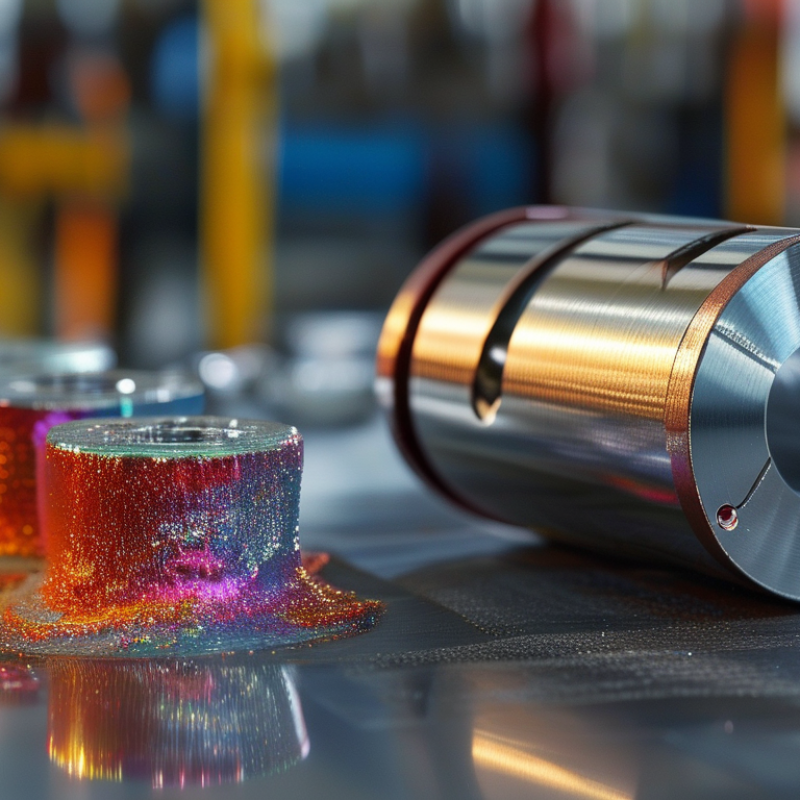
Rare earth NdFeB permanent magnets have gained significant attention in various industries. Their remarkable strength and efficiency make them ideal for applications that require compact designs without sacrificing performance. These magnets are composed of neodymium, iron, and boron, forming a highly magnetic alloy. Due to their superior magnetic properties, they are increasingly used in motors, generators, and magnetic assemblies.
While their benefits are numerous, challenges remain in their production and recycling. The sourcing of rare earth materials is often scrutinized due to environmental concerns. Moreover, the manufacturing process requires precision and expertise, making it less accessible for smaller companies. The reliance on a few countries for raw materials adds another layer of complexity, exposing the supply chain to geopolitical risks.
Understanding NdFeB magnets goes beyond their immediate applications. Users must consider their potential impact on sustainability and the economy. As industries pivot towards greener technologies, developing eco-friendly recycling methods for these magnets will be essential. This ongoing evolution pushes manufacturers to innovate while remaining mindful of their environmental footprint. The balance between performance and sustainability presents a profound challenge, one that the industry must continually navigate.
Characteristics and Benefits of NdFeB Magnets
NdFeB magnets, known for their exceptional strength, are key components in various industries. Their primary characteristic is a high magnetic energy product, which can exceed 50 MGOe. This property makes them suitable for applications requiring compact yet powerful magnets. Industries benefit immensely from these magnets, enhancing the performance of electric motors, generators, and sensors.
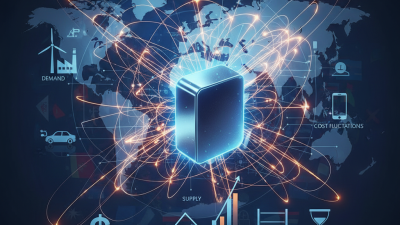
Another significant advantage of NdFeB magnets is their temperature stability. They retain their magnetism even in high-temperature environments, a crucial factor for automotive and aerospace applications. Recent reports indicate that about 50% of the demand for these magnets comes from the automotive sector alone. However, production challenges, such as the need for rare earth materials and cost fluctuations, can affect supply. This introduces an element of unpredictability for manufacturers relying heavily on NdFeB magnets.
While NdFeB magnets fulfill many requirements, they are not without limitations. Their brittleness can lead to challenges during manufacturing and handling. The need for protective coatings to prevent corrosion adds an additional layer of complexity. Understanding these nuances is essential for companies integrating these magnets into their products effectively.
Top Applications of NdFeB Magnets in Various Industries
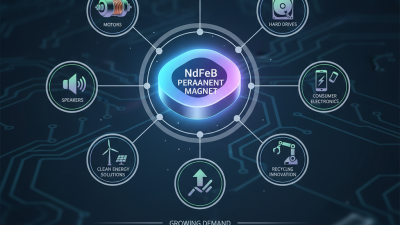
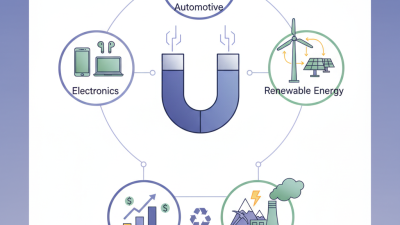
NdFeB magnets, or Neodymium magnets, have transformed various industries with their exceptional strength. They are crucial in electric motors, which rely on strong magnetic fields. In the automotive sector, these magnets enhance the efficiency of electric vehicles by reducing energy loss. This not only improves performance but also aids in achieving better range and efficiency.
In the field of renewable energy, NdFeB magnets are equally vital. They are essential components in wind turbines and generators. Their high magnetic performance contributes to efficient energy conversion. Moreover, these magnets play a significant role in consumer electronics, such as smartphones and headphones. They enable compact designs while maintaining powerful performance, showcasing their versatility across applications.
However, the reliance on NdFeB magnets does present challenges. The sourcing of raw materials can be inconsistent and environmentally taxing. Industries must carefully consider sustainable alternatives and recycling options. This reflection on magnet sourcing can lead to a more responsible approach in the future. As technology advances, finding balance in performance and sustainability will be crucial for the continued success of NdFeB magnets in global markets.
Criteria for Selecting the Best NdFeB Magnets for Your Needs
When selecting the best NdFeB (neodymium iron boron) magnets, several critical criteria should guide the process. Magnetic strength is a key factor; a higher maximum energy product indicates better performance. Industry reports reveal that the most efficient NdFeB magnets can reach energy products up to 50 MGOe. This metric can significantly influence applications like electric motors or generators.
Another vital aspect to consider is temperature resistance. Standard NdFeB magnets may lose their magnetism at elevated temperatures. Choosing magnets with a higher thermal stability rating ensures durability in demanding environments. Many professionals recommend magnets with a rating of over 80 degrees Celsius for industrial use. This helps maintain performance, even in challenging conditions.
Cost-effectiveness cannot be ignored. While high-performance magnets are appealing, analyzing long-term value is essential. Cheaper options can lead to failures or replacements, negating initial savings. Businesses should assess the cost per unit of performance, which is often overlooked. Decision-makers should reflect on these aspects to avoid common pitfalls.
10 Best Rare Earth NdFeB Permanent Magnets for Global Buyers
| Magnet Size (mm) |
Magnetic Strength (N) |
Temperature Resistance (°C) |
Coating Type |
Applications |
| 30 x 10 |
120 |
80 |
NiCuNi |
Motors, Generators |
| 50 x 25 |
250 |
100 |
Epoxy |
Sensors, Actuators |
| 15 x 5 |
45 |
60 |
Zn |
Medical Devices |
| 20 x 10 |
60 |
70 |
NiCuNi |
Magnetic Holders |
| 40 x 20 |
180 |
90 |
Gold |
Electronics |
| 10 x 5 |
30 |
50 |
NiCuNi |
Toys, Crafts |
Global Market Trends and Future Prospects for NdFeB Magnets
The global market for NdFeB (Neodymium Iron Boron) magnets is witnessing notable transformations. As of 2023, industry reports suggest a market valuation of approximately $6 billion, with projections estimating a growth rate of around 8.5% annually until 2030. This growth is driven primarily by the rising demand for electric vehicles and renewable energy technologies. The use of NdFeB magnets in wind turbines and high-efficiency electric motors highlights their critical role in the green transition.
However, challenges remain. The supply chain for rare earth elements is susceptible to geopolitical tensions and mining restrictions. Additionally, environmental concerns linked to rare earth mining need addressing. Professionals in the field advocate for recycling and alternative materials to reduce reliance on newly mined rare earths. Reports indicate that nearly 70% of the world's supply of these materials comes from China, emphasizing the need for diversification in source countries. As global buyers explore options, the quest for sustainable solutions will significantly influence market dynamics.
The future of NdFeB magnets is promising yet complex. Technology advancements are essential in enhancing magnet performance while reducing costs. Innovative companies are exploring new alloy compositions and processing techniques. These innovations can improve magnet lifespan, but the shift might take time. Thus, the NdFeB magnet market is poised for growth, yet it’s crucial to navigate the associated challenges effectively.