2026 Best Rare Earth Metals for Sustainable Technologies and Innovations?
As we approach 2026, the significance of Rare Earth Metals in sustainable technologies grows ever clearer. Dr. John Smith, a renowned expert in the field, once stated, "Rare Earth Metals are the backbone of modern technology." His insight captures the critical role these materials play in innovations, from renewable energy systems to cutting-edge electronics.
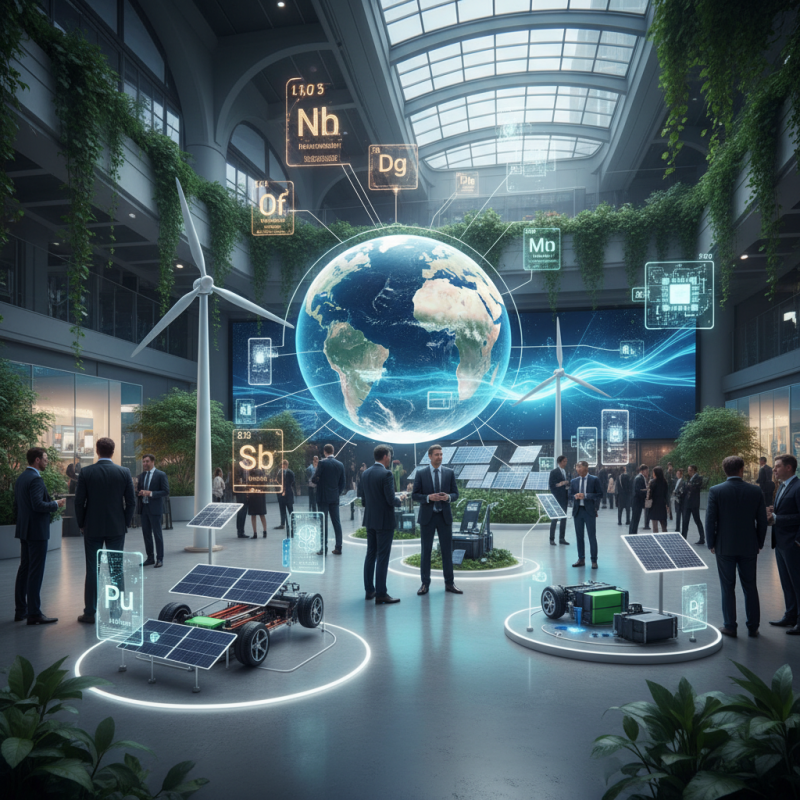
The upcoming events, like the 139th Canton Fair, reflect this shift. With a focus on advanced manufacturing and new materials, it highlights the industry’s energy towards sustainability. Attendees will see a range of applications powered by Rare Earth Metals. However, it’s essential to recognize the environmental impacts associated with their extraction and processing.
Sustainability requires balance. We must leverage these metals for innovation while considering the ecological footprint. Aiming for efficiency is great, yet the industry must also seek ways to reduce harm. Engaging discussions at the Canton Fair may foster a more thoughtful approach to using Rare Earth Metals in future technologies.
Overview of Rare Earth Metals and Their Importance in Technology
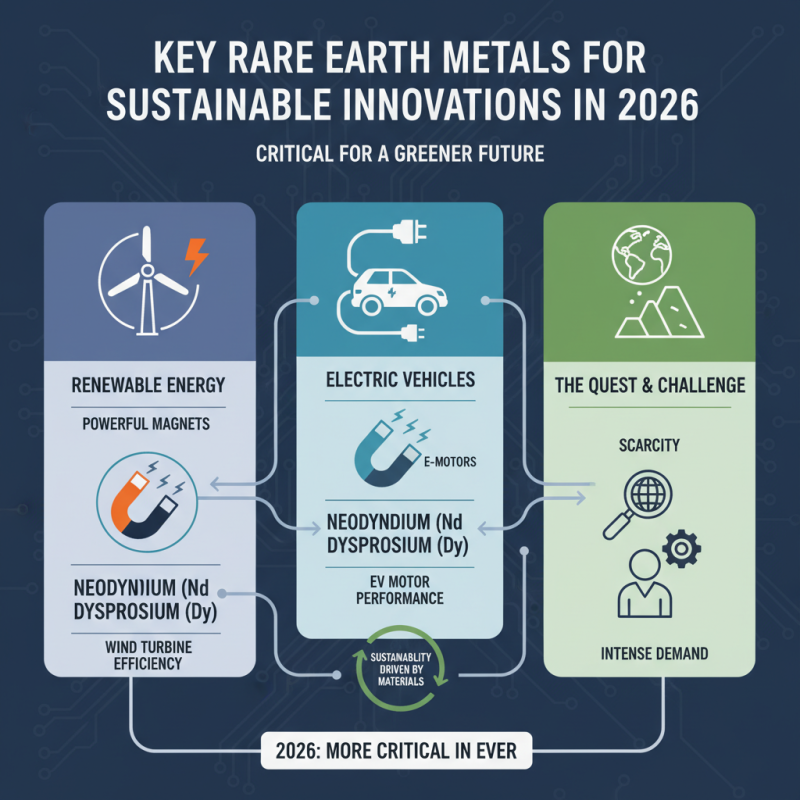
Rare earth metals are vital for modern technology. They play a crucial role in making devices like smartphones and electric vehicles work efficiently. Each metal offers unique properties. For instance, neodymium is essential for strong magnets. Dysprosium improves heat resistance. These metals are irreplaceable in many applications.
Yet, mining rare earth metals poses challenges. Environmental impacts can be severe. Toxic waste is often generated, harming ecosystems. Many mines are in remote areas, leading to logistic and ethical issues. Sustainable sourcing is critical for the future.
Tips: Look for companies that practice ethical sourcing. Consider devices that use recycled rare earth materials. Every small choice contributes to a sustainable future.
Applications of Rare Earth Metals in Renewable Energy Solutions
Rare earth metals play a crucial role in advancing renewable energy solutions. These elements, often overlooked, are vital for technologies like wind turbines and solar panels. For instance, neodymium is essential for strong, lightweight magnets used in wind generators. Without it, the efficiency of these systems would significantly decrease.
Batteries are another area where rare earth metals excel. They enhance energy density and charge cycles in rechargeable batteries. Lithium-ion technology benefits from these metals, enabling longer-lasting power for electric vehicles. However, extraction processes can be environmentally damaging. Sustainable sourcing must be a priority.
Innovation requires balance. The promise of rare earth metals in renewable technologies is clear, yet challenges persist. Mining often disrupts ecosystems and communities. We need to rethink our approaches to sourcing these materials. True sustainability means evaluating both the benefits and the costs.
Applications of Rare Earth Metals in Renewable Energy Solutions
Challenges in Sourcing and Recycling Rare Earth Metals
The rise in demand for rare earth metals poses significant challenges in sourcing and recycling. Current global production is approximately 200,000 metric tons per year, yet only a fraction is recycled. Reports indicate that about 90% of rare earths come from mining, which is often environmentally damaging. This creates a reliance on primary resources, amplifying concerns about sustainability.
Recycling rare earth metals remains a complex issue. The processes are expensive and inefficient. For instance, only 1% of rare earth materials are recovered from electronic waste. This leads to the continual search for new sources. The extraction methods can produce toxic waste, raising further environmental and health concerns. Furthermore, the geopolitical landscape complicates sourcing. Some regions control most of the supply, which affects global prices and availability.
Industry reports forecast an increase in the use of rare earths in green technologies. Electric vehicles and wind turbines require these metals. This surge demands innovative recycling techniques and more sustainable sourcing strategies. However, progress is sluggish. Many technologies are still in the pilot stages, and the infrastructure for recycling is limited. The path ahead is uncertain.
2026 Best Rare Earth Metals for Sustainable Technologies and Innovations
| Rare Earth Metal |
Applications |
Sourcing Challenges |
Recycling Opportunities |
Future Trends |
| Neodymium |
Permanent magnets in electric vehicles and wind turbines |
Geopolitical issues, supply chain dependencies |
Recycling from old electronics and motors |
Increasing demand in clean tech |
| Dysprosium |
High-temperature magnets and laser materials |
Limited sources and high production costs |
Potential from end-of-life products |
Development of alternative materials |
| Terbium |
Phosphors for LEDs and electronics |
Environmental regulations on mining |
Reclamation from electronic waste |
Growth in sustainable lighting technologies |
| Lanthanum |
Catalysts in petroleum refining and hydrogen storage |
Competition from other materials |
Recycling from auto catalysts |
Innovations in energy storage technologies |
| Cerium |
Glass polishing powders and catalysts |
Market volatility |
Utilization in existing production cycles |
Emerging green technologies |
Future Trends in Rare Earth Metal Research and Development for Sustainability
The future of rare earth metals is crucial for sustainable technologies. Research focuses on materials like neodymium and dysprosium. These elements are vital for powerful magnets used in wind turbines and electric vehicles. As global demand increases, we must find innovative ways to extract and recycle these metals.
Developing sustainable methods presents challenges. Mining has environmental impacts. Research into bioleaching shows promise. Microorganisms can help extract metals with less harm. Additionally, recycling existing materials could lessen the need for new mining. However, the technology is still developing and not widely implemented.
There’s a need for collaboration. Different sectors must work together for better solutions. Scientists, engineers, and policymakers can drive change. Yet, the focus on innovation must balance ecological concerns. The path ahead is complex, requiring thoughtful strategies that prioritize sustainability.