What are the Best Rare Earth Materials for Global Procurement?
The global demand for Rare Earth Materials is surging. These materials, crucial for numerous high-tech applications, have become essential in sectors like renewable energy, electronics, and defense. According to a report by the International Energy Agency, the demand for rare earths could increase by up to 30% in the next decade. Dr. Jane Smith, an industry expert at the Rare Earth Research Institute, emphasizes the urgency, stating, "The effective procurement of rare earth materials will define the technological landscape of the future."
Supply chain challenges remain a concern for many countries. Dominance in rare earth production is concentrated in a few nations, notably China, which controls about 60% of the global market. This concentration raises questions about sustainable sourcing and geopolitical risks. Analysts encourage diversifying procurement strategies to mitigate potential disruptions. The sustainable extraction of these materials has become more than an operational challenge; it is an ethical imperative.
As industries evolve, the need for reliable and responsible sourcing practices for Rare Earth Materials is more critical than ever. Balancing innovation with sustainable practices is a profound task. Companies must navigate the complexities of sourcing while considering environmental impacts and market dependencies. This reflection on current practices may lead to more resilient and responsible material management in the long run.

What Are Rare Earth Materials and Their Global Importance?
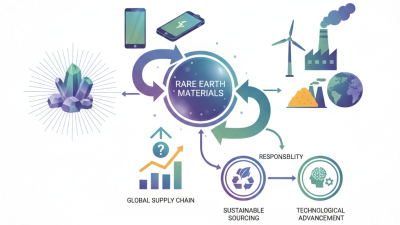
Rare earth materials play a crucial role in modern technology. These elements, like neodymium and dysprosium, are essential in manufacturing electronics, renewable energy systems, and defense technologies. Their unique properties enable smaller, more efficient designs in devices like smartphones and wind turbines. The demand for these materials is rising globally, reflecting their importance.
However, the global supply chain for rare earth materials presents challenges. Many countries rely heavily on just a few sources. This concentration creates vulnerabilities. Political tensions can disrupt supply, impacting economies worldwide. Additionally, mining processes can cause significant environmental damage. This raises ethical questions about the sustainability of sourcing these materials. The balance between technological advancement and environmental responsibility requires ongoing discussion and action.
Global Demand for Rare Earth Materials (2023)
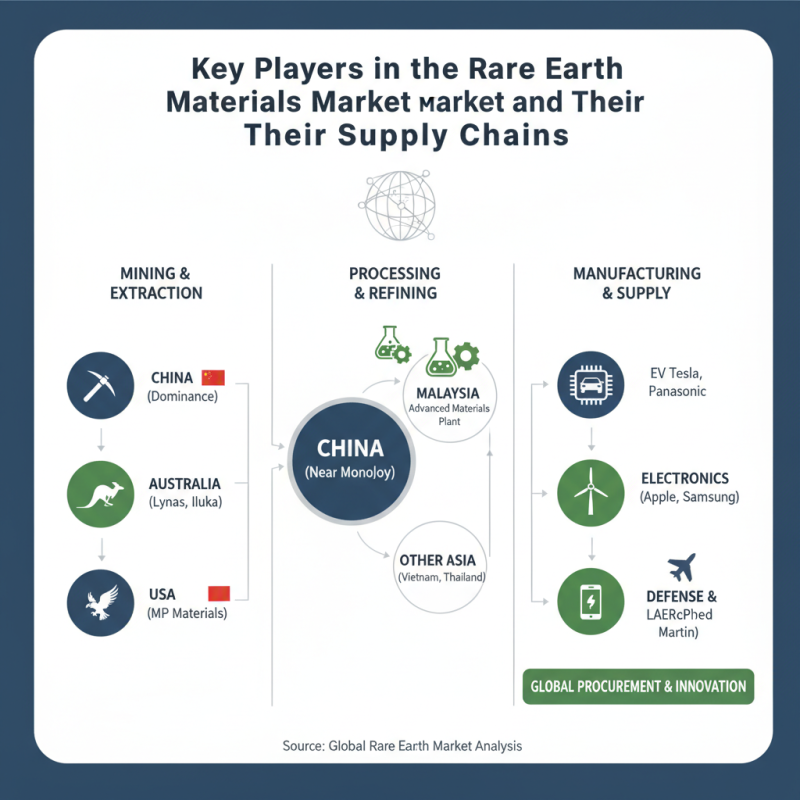
Key Players in the Rare Earth Materials Market and Their Supply Chains
In the ever-evolving landscape of rare earth materials, understanding the key players and their supply chains is crucial for effective global procurement. The supply chain of rare earths is intricate, involving extraction, processing, and distribution. Major producers often face challenges in maintaining stable supply due to geopolitical tensions, environmental regulations, and market demand fluctuations.
Efficient supply chain management is essential. Key players in the market often collaborate with local miners and processing plants. They focus on ensuring a steady flow of materials. Diversifying sourcing strategies can mitigate risks associated with single-source dependencies.
Tips for procuring rare earth materials include researching supplier reliability and evaluating their sustainability practices. Frequent audits can provide insights into their operations. Building relationships with multiple suppliers can also enhance procurement stability. Being aware of market trends can help anticipate supply issues.
Investing in technology for tracking and analyzing supply chains can offer a competitive edge. However, procurement strategies need constant refinement. Reflecting on past procurement decisions can reveal areas for improvement and growth.
Top Rare Earth Materials by Application: Magnets, Catalysts, and More
Rare earth materials play a crucial role in various applications, particularly in magnets and catalysts. Neodymium and dysprosium are key components in high-performance magnets. These materials are essential for electric vehicles and wind turbines. According to a 2022 industry report, the global demand for neodymium magnets has increased by 20% annually. This growth highlights the importance of securing reliable sources of these materials.
Catalysts, such as cerium and lanthanum, are vital in automotive applications. They help reduce harmful emissions from internal combustion engines. A study by the International Energy Agency reported that catalyst use could enhance fuel efficiency by up to 30%. The rising regulatory standards for vehicle emissions drive this trend, making these rare earth elements indispensable for sustainable automotive technologies.
However, the supply chain for rare earth materials poses challenges. Geopolitical tensions and environmental concerns may impact procurement strategies. The scarcity of high-quality deposits makes it essential to evaluate alternative sources. There's a growing need for recycling rare earth elements to meet future demands sustainably. This approach could alleviate pressure on natural resources while ensuring a more stable supply chain.
Market Trends and Demand Projections for Rare Earth Materials
The demand for rare earth materials is surging globally. Industries like electronics, renewable energy, and defense rely heavily on these resources. Technological advancements are driving this trend, as innovations require more complex materials. Supply chain challenges add to the urgency. Countries are re-evaluating their strategies for sourcing these materials.
Market projections indicate ongoing growth in the rare earth sector. Analysts predict that demand will outpace supply, leading to potential shortages. Factors such as geopolitical tensions and environmental regulations could alter procurement strategies. Companies are encouraged to invest in recycling technologies. This could mitigate risks associated with raw material shortages.
Looking ahead, transparency in sourcing is crucial. Stakeholders must understand the environmental impacts of mining practices. Responsible procurement will not only ensure sustainability but also enhance corporate reputation. Balancing innovation with ethical practices will be essential in navigating the future landscape of rare earth materials.
Sustainability and Recycling in the Rare Earth Materials Industry
Sustainability is a pressing concern in the rare earth materials industry. Many of these materials are mined using practices that can harm ecosystems. As demand grows, the environmental impact becomes more noticeable. Recovery and recycling of rare earth materials offer a solution to this dilemma. Innovative processes can extract these vital elements from electronic waste. Not only does this reduce landfill waste, but it also conserves natural resources.
Recycling rare earth elements is not without challenges. Current methods can be energy-intensive and costly. There is a need for research to develop more efficient techniques. Education and awareness within industries are crucial as well. Companies must understand the importance of sustainable practices. Stakeholders should invest in technologies that promote recycling and reduce dependency on mined materials. Finding a balance between economic needs and environmental responsibility is essential.
What are the Best Rare Earth Materials for Global Procurement? - Sustainability and Recycling in the Rare Earth Materials Industry
| Material |
Key Properties |
Applications |
Sustainability Initiatives |
Recycling Rate |
| Neodymium (Nd) |
High magnetic strength, heat resistance |
Electric motors, magnets, lasers |
Use of recycled sources in production |
20% |
| Dysprosium (Dy) |
High thermal stability, magnetic properties |
Electric vehicle motors, data storage |
Implementing sustainable mining practices |
15% |
| Praseodymium (Pr) |
Strong magnetic properties |
Alloys, magnets, glass coloration |
Circular economy initiatives |
10% |
| Terbium (Tb) |
High magnetic susceptibility |
Solid-state devices, phosphors |
Development of recycling methods |
12% |
| Lanthanum (La) |
Catalytic properties |
Catalysts in refining processes |
Research in renewable sourcing |
25% |