Discover the Best Rare Earth Alloy Suppliers in China?
In today's evolving market, Rare Earth Alloys play a pivotal role in various industries. These alloys are critical for manufacturing advanced materials used in electronics, renewable energy, and automotive sectors. With China being a leading supplier, it is essential to identify trustworthy allies in this domain.
Rare Earth Alloys come from metals that are vital in technological applications. Sourcing these materials involves understanding local suppliers' expertise and reliability. Some suppliers may promise low prices but lack quality assurance. It's crucial to analyze their track record and client feedback.
Choosing the right Rare Earth Alloy supplier can significantly impact your business's success. A reliable supplier ensures consistent quality, timely delivery, and flexible terms. However, not every supplier meets these criteria. It is worth taking the time to research and evaluate your options carefully. The right choice will lead to sustainable growth and innovation.
Understanding Rare Earth Alloys: Characteristics and Applications
Rare earth alloys play a vital role in various industries due to their unique characteristics.
These alloys often feature high strength, great ductility, and excellent thermal stability.
According to recent industry reports, the global rare earth alloy market is projected to grow at a compound annual growth rate (CAGR) of around 7% by 2026.
This growth highlights the increasing demand for innovative materials in electronics, renewable energy, and automotive sectors.
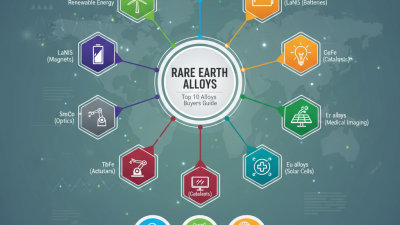
Applications of rare earth alloys are diverse. In the automotive industry, they are used in electric vehicle batteries, improving efficiency and longevity.
The electronics sector utilizes these alloys to produce high-performance magnets, key components in smartphones and computers.
Furthermore, their application in renewable energy systems is expanding, particularly in wind turbines and solar panels.
Some reports suggest that integrating rare earth alloys can enhance energy generation by over 15%.
However, sourcing these materials poses challenges.
Supply chain vulnerabilities and geopolitical factors can affect availability.
Furthermore, the environmental impact of mining rare earth elements is a concern.
Striking a balance between usage and sustainability is crucial for the future of rare earth alloys.
Engaging with suppliers who prioritize ethical practices can be a step towards addressing these issues.
Key Factors to Consider When Choosing Alloy Suppliers in China
When selecting rare earth alloy suppliers in China, several factors play a critical role. Start by understanding the supplier's industry experience. Suppliers with over a decade in the market often demonstrate stability and expertise. According to a recent industry report, nearly 70% of successful companies highlighted supplier experience as crucial for quality assurance.
Next, assess the supplier's production capacity. Reliable suppliers typically have well-equipped facilities. A study indicates that suppliers capable of producing 100 tons monthly often maintain consistent quality levels. Always request certifications and quality control processes to ensure compliance with international standards. This adds another layer of reliability.
Lastly, consider customer service and responsiveness. A supplier that communicates effectively can provide support and troubleshoot issues quickly. Reports show that companies that prioritize customer service often build long-term partnerships. Engaging with suppliers through visits or direct communication can reveal their operational practices and commitment to service. This approach is not just about purchasing materials; it’s about forming a strategic alliance.
Discover the Best Rare Earth Alloy Suppliers in China
| Supplier Location |
Primary Alloys Offered |
Years in Business |
Annual Production Capacity (tons) |
Certifications |
| Shenzhen |
Neodymium Iron Boron |
15 |
5000 |
ISO 9001, RoHS |
| Shanghai |
Samarium Cobalt |
10 |
3000 |
ISO 14001, CE |
| Beijing |
Terfenol-D |
20 |
8000 |
IATF 16949 |
| Guangzhou |
Lanthanum Nickel Alloy |
5 |
1500 |
ISO 45001 |
| Nanjing |
Praseodymium-Alloyed Blends |
12 |
4500 |
NSF |
Top Rare Earth Alloy Manufacturers: A Comprehensive Overview
When exploring rare earth alloy suppliers in China, it’s crucial to understand their expertise and reliability. The industry is complex, with many manufacturers offering various alloys that cater to specific needs. Not all suppliers maintain the same standards, so thorough research is essential. Some companies may provide high-quality materials, while others might focus on volume over quality.
Each manufacturer specializes in different applications, from electronics to defense. Evaluating their production processes and quality control measures can provide insights into their reliability. Remember, not every supplier guarantees longevity in product performance. It’s vital to demand transparency in sourcing and durability tests. Connecting with industry experts can help guide your decisions, ensuring that you choose suppliers with proven track records.
Also, customer reviews can reveal the strengths and weaknesses of potential suppliers. While some may excel in delivery time, others might fall short in maintaining consistent quality. This information can help paint a clearer picture of what to expect. Engaging in discussions with industry peers can further enhance your understanding of the best practices in working with rare earth alloy suppliers.
Evaluating Quality and Standards of Rare Earth Alloys in China
The rare earth alloy market in China has grown significantly in recent years. This sector is essential for various high-tech applications, including renewable energy technologies and advanced electronics. According to a report by the China Rare Earth Industry Association, the demand for rare earth alloys is expected to increase by 7% annually through 2025. As such, evaluating the quality and standards of suppliers becomes crucial.
Quality assurance in rare earth alloys relies on rigorous testing. Suppliers often use advanced methods like spectroscopic analysis to ensure material integrity. However, discrepancies can occur in the processes. For example, some suppliers might not adhere to ISO standards. This lack of consistency can lead to varying alloy performances, which can be costly for manufacturers. Ultimately, companies should actively seek suppliers with established quality control measures and transparent processes.
The challenge lies in navigating the vast network of suppliers. Many claim superior quality, yet few can back it up. Industry data suggests that only 30% of suppliers consistently meet international standards. This statistic highlights the importance of sourcing investigations. Potential buyers should prioritize those who provide third-party testing and certifications. They must also remain vigilant, as the industry lacks universal regulations, leading to variations in practices and reliability.
Logistics and Supply Chain Management for Rare Earth Alloys in China
Logistics and supply chain management play a crucial role in the rare earth alloy industry in China. According to a recent industry report, rare earth alloys represent a significant segment of the global market, valued at over $5 billion in 2023. Efficient logistics is necessary for maintaining the delicate balance of supply and demand.
China has refined its logistics framework to enhance the distribution of rare earth alloys. This includes optimizing transportation networks and warehousing strategies. A report from the International Rare Earth Association indicates that around 70% of the production process depends on robust supply chains. However, challenges such as environmental regulations and fluctuating raw material costs continue to impact operations.
**Tips:** Collaborating with local suppliers can mitigate logistics costs. Understand the regulations that affect supply chains.
Investing in technology can streamline processes. Implementing tracking systems helps monitor shipments in real-time. However, the industry still struggles with compliance and transparency issues. Staying informed about best practices in supply chain management is essential for success in this competitive sector.