2026 Top Rare Earth Magnets Trends for Global Buyers?
As we look towards 2026, the market for Rare Earth Magnets is evolving rapidly. According to a report by Fortune Business Insights, the global rare earth magnet market is projected to reach approximately $20 billion by 2026. This growth is driven by advancements in electric vehicles, renewable energy, and consumer electronics.
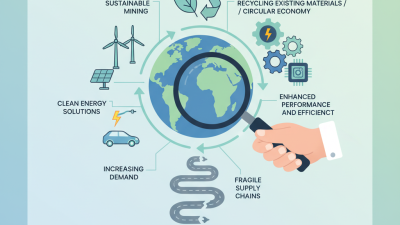
Quality and sustainability are key themes. Industry experts emphasize the importance of sourcing materials responsibly. Companies are urged to implement ethical practices throughout their supply chains. However, with rising demand comes the challenge of rare earth supply fluctuations. Recent geopolitical tensions have raised questions about the stability of supply chains. Buyers need to stay informed about these risks while exploring new suppliers.
Evolving technologies also play a role. Innovations in magnet manufacturing could lead to higher efficiency and lower costs. Understanding these trends is crucial for global buyers. As competition intensifies, it's vital to adapt strategies accordingly. Rare Earth Magnets will remain at the forefront, impacting various industries in unprecedented ways.

Emerging Trends in Rare Earth Magnet Technology for 2026
The rare earth magnet industry is witnessing several exciting trends as we approach 2026. The global market for rare earth magnets is expected to grow significantly, driven by increasing demand in electric vehicles (EVs) and renewable energy sectors. According to a recent industry report, the market for rare earth magnets is projected to reach over $34 billion by 2026. This growth reflects the rising importance of efficient magnet technology, especially in wind turbines and motor applications.
Emerging technologies are reshaping the landscape of rare earth magnets. New alloys are being developed to enhance magnet strength while reducing costs. Additionally, recycling processes are gaining traction, allowing manufacturers to recover valuable rare earth materials from old devices. These advancements not only improve sustainability but also address supply chain vulnerabilities associated with rare earth sourcing.
Here are a couple of considerations for buyers in this evolving market: exploring suppliers who prioritize innovation can provide a competitive edge. Monitor industry reports to stay updated on technological advancements. Also, assess the sustainability practices of potential suppliers; they will likely influence your position in the market as buyer preferences shift towards greener solutions. Understanding these dynamics will ensure you make informed purchasing decisions.
Key Applications of Rare Earth Magnets in Global Industries
Rare earth magnets play a crucial role in various global industries. Their strength and versatility make them essential for high-performance applications. In the automotive sector, these magnets are vital for electric motors and hybrid vehicles. They help enhance energy efficiency and performance, driving the shift to sustainable transportation. As electric vehicle adoption increases, demand for rare earth magnets will rise significantly.
In renewable energy, rare earth magnets are found in wind turbines. They improve the efficiency of generators, ultimately leading to better energy conversion rates. This is particularly important as nations invest in greener energy solutions. The growing focus on sustainability fuels the need for reliable materials. However, sourcing these materials poses challenges. Mining and refining rare earth elements can have environmental impacts that need to be addressed.
Manufacturers are also exploring innovative solutions to reduce dependency on rare earth elements. Research into alternatives and recycling methods is gaining momentum. This fits into a broader trend of improving supply chain reliability. Ensuring that industries can maintain production while being environmentally conscious is a critical ongoing discussion.
Sourcing and Supply Chain Considerations for Rare Earth Magnets
The sourcing and supply chain considerations for rare earth magnets have become increasingly complex. Reports indicate that the global rare earth magnet market is set to reach $8.21 billion by 2026, growing at a CAGR of 11.2%. This surge highlights the necessity for buyers to scrutinize their sourcing strategies thoroughly.
Countries are reconsidering their dependency on specific suppliers. The geopolitical landscape often impacts the availability of these essential materials. For instance, increased trade tensions have led to significant volatility in rare earth supply chains. Companies must assess multiple suppliers to diversify their risk.
Logistical challenges also play a key role. The transportation of rare earth materials is complicated due to strict environmental regulations. Delays often occur, creating uncertainty in delivery timelines. Buyers need flexibility in their supply chains to adapt to these disruptions. They might consider engaging with nearer suppliers to mitigate long-distance shipping challenges.
While rising demand presents opportunities, the complexities emphasize the need for strategic foresight. Buyers who can navigate these factors will be more resilient in the evolving market landscape.
2026 Top Rare Earth Magnets Trends for Global Buyers
| Trend |
Market Demand |
Key Application |
Supply Chain Challenges |
Sourcing Considerations |
| Increased Use in Electric Vehicles |
High |
Automotive Industry |
Material Shortage |
Long-term contracts |
| Advancements in Wind Energy |
Medium |
Renewable Energy Sector |
Regulatory Challenges |
Sustainability certifications |
| Miniaturization of Electronics |
High |
Consumer Electronics |
Cost Fluctuations |
Supplier diversification |
| Growth in Renewable Energy Storage |
Medium |
Energy Storage Systems |
Logistical Issues |
Local sourcing options |
| Emerging Technologies in Aerospace |
Medium |
Aerospace Engineering |
Supply Chain Complexity |
Risk assessment strategies |
Environmental Impact and Sustainability in Rare Earth Magnet Production
The production of rare earth magnets has a notable environmental impact that requires careful consideration. According to a 2023 report by the International Energy Agency (IEA), the mining and processing of rare earth materials contribute significantly to greenhouse gas emissions. These emissions emphasize the need for sustainable practices in the industry. The energy-intensive processes often involve the use of toxic solvents, which can lead to soil and water contamination. Addressing these challenges is crucial for future sustainability.
Improving the sustainability of rare earth magnet production can be achieved through innovative technologies. For instance, companies are now exploring recycling methods to recover rare earth elements from old devices. A recent study in the Journal of Cleaner Production highlights that recycling could lower carbon emissions by up to 30% compared to conventional mining. The potential for circular economy practices in this sector stands as a beacon of hope for environmental impact reduction.
When considering rare earth magnets, think about their lifecycle. Assess the sourcing and manufacturing processes. Engage with suppliers that prioritize environmental responsibility. By making informed choices, buyers can contribute to a more sustainable future. Additionally, monitor industry trends that focus on reducing environmental footprints. Adopting alternative materials may also prove beneficial as research progresses in this field.
Environmental Impact and Sustainability in Rare Earth Magnet Production
Market Forecast: Growth Potential for Rare Earth Magnets in 2026
The global market for rare earth magnets is experiencing a significant shift. With increasing demand across various sectors, the growth potential for these magnets is noteworthy. Applications in electric vehicles and renewable energy are driving this demand. In 2026, we might see a surge in market capitalization as industries seek more sustainable solutions.
Experts predict a strong upward trend in production techniques. Innovations in manufacturing processes could enhance efficiency, lowering costs. These advancements may create opportunities for emerging companies. However, the supply chain still presents challenges. Environmental concerns regarding mining practices require thoughtful solutions.
Buyers should be cautious yet optimistic about this evolving market. As the landscape shifts, staying informed is crucial. Understanding end-user needs will guide better purchasing decisions. Engaging with industry experts can reveal valuable insights. Balancing potential growth with ethical considerations remains imperative.