How to Source Rare Earth Oxides Effectively for Your Business?
Rare Earth Oxides (REOs) play a crucial role in modern technology and industry. These materials are pivotal in manufacturing electronic devices, renewable energy systems, and advanced military applications. In 2022, the global market for rare earth elements reached approximately $9 billion, with significant growth projected in the coming years.
Sourcing high-quality Rare Earth Oxides is not straightforward. The supply chain can be complex and fraught with challenges. Many businesses struggle to find reliable suppliers, often leading to delays and increased costs. A report by the U.S. Geological Survey indicated that China's dominance in the REO market poses risks for international businesses, highlighting the need for effective sourcing strategies.
Companies must adapt to these challenges by investing in research and establishing partnerships. Exploring alternative suppliers is essential. Developing relationships with producers in regions like Australia and the U.S. can mitigate risks. However, reliance on a single source can lead to vulnerabilities. Thoughtful planning and continuous refinement of sourcing strategies will ensure businesses remain competitive in this dynamic market.
Identifying Key Rare Earth Oxides for Your Business Needs
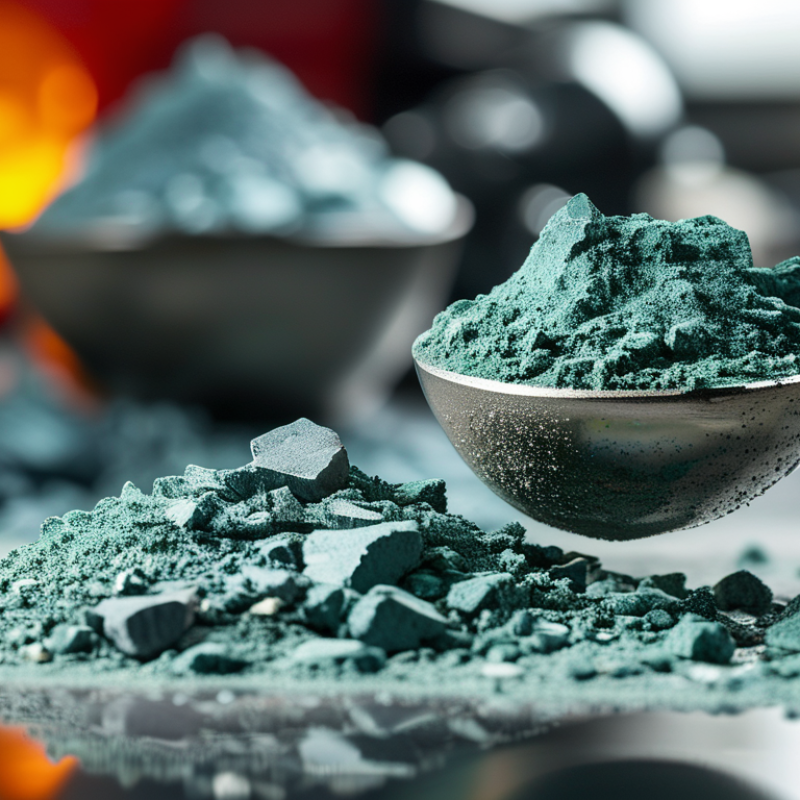
Identifying key rare earth oxides for your business needs is crucial. These materials are essential in various high-tech applications, from electronics to renewable energy systems. According to the U.S. Geological Survey, global production of rare earth elements was around 240,000 metric tons in 2022. This indicates a growing market and an increasing demand.
When sourcing rare earth oxides, businesses need to focus on specific types. Neodymium and dysprosium, for instance, are vital for the manufacturing of strong permanent magnets used in electric vehicles. In contrast, lanthanum is commonly utilized in catalysts for petroleum refining. Reports from the International Energy Agency highlight that these elements will play a pivotal role in the green energy transition, making them increasingly important for future needs.
It's essential to regularly assess suppliers and their practices. Not all sources guarantee the same quality. Engaging with multiple suppliers can lead to inconsistencies in performance and availability. Research shows that over 80% of rare earths are currently sourced from China, creating potential risks. Diversifying your sourcing strategy is not just strategic; it is necessary to mitigate supply chain vulnerabilities.
Demand for Key Rare Earth Oxides in Various Industries
Understanding the Global Market Landscape for Rare Earth Oxides
Understanding the global market landscape for rare earth oxides is crucial for many businesses today. These materials are essential for various technologies, from smartphones to electric vehicles. The demand for rare earth oxides has surged in recent years, driven by advancements in industries like renewable energy and electronics. However, sourcing them is not straightforward. The market is often volatile, influenced by geopolitical factors and mining policies.
Businesses must be aware of the regions where these elements are mined. China dominates the supply chain, controlling a significant portion of the global production. This dominance can create risks for companies relying solely on one source. Diversifying supply chains and establishing partnerships in different regions can provide more stability. It's important to remain informed about the political and economic climates affecting these regions.
Challenges in sourcing rare earth oxides include fluctuating prices and quality inconsistencies. Suppliers may not always guarantee the purity or availability of the materials needed. Engaging with trusted sources and conducting thorough audits can mitigate these risks. Furthermore, ongoing innovations in recycling can offer alternative avenues for obtaining these critical materials. Exploring these options may lead to sustainable practices in the long run.
Establishing Reliable Suppliers for Rare Earth Oxides
Finding reliable suppliers for rare earth oxides is essential for businesses in various industries. Developing strong connections with suppliers can be challenging yet rewarding. Focus on building trust and understanding your supply chain needs.
One effective strategy is to attend industry conferences and trade shows. These events provide networking opportunities and allow you to meet potential suppliers face-to-face. Engaging in direct conversations can help assess their capabilities and reliability. Additionally, leveraging online platforms dedicated to trade can expose you to a wider range of suppliers globally.
Consider establishing a vetting process. Request samples to evaluate quality. Assess their production capabilities and delivery timelines. Communication is key. Frequent updates from suppliers can minimize delays.
Tips:
- Develop a list of critical questions to ask potential suppliers.
- Monitor their performance over time; this helps identify any emerging issues.
- Stay informed on market trends. This knowledge can enhance negotiation power.
Remember, the search for reliable suppliers is an ongoing process. Regularly review and adjust your strategies based on market dynamics. Each experience teaches you more about what works and what doesn't.
Evaluating Quality Standards and Certifications for Rare Earth Oxides
When sourcing rare earth oxides, evaluating quality standards and certifications is crucial. These materials are integral in various industries, from electronics to renewable energy. A reliable source should demonstrate adherence to quality standards. Look for certifications such as ISO 9001, which ensures processes meet international quality management criteria.
Understanding the specific requirements for your application is vital. Not all rare earth oxides are created equal. Each type has different purities and compositions that affect performance. Verify documentation provided by suppliers. Check for laboratory test results and compliance statements. This diligence helps prevent future issues and costly disruptions.
However, not every supplier will have transparent communication. Some may lack complete certifications, making due diligence essential. Be wary of unusually low prices; they often signal compromised quality. Establishing a good relationship with suppliers can aid in understanding their practices. Ask for references or case studies to assess their credibility. Balancing quality and cost requires careful consideration but is paramount for a sustainable business.
Developing a Sustainable Sourcing Strategy for Rare Earth Oxides
Sourcing rare earth oxides requires a well-thought-out strategy. A sustainable approach involves choosing suppliers who prioritize environmental responsibility. Investigating their sourcing methods is essential. Look for transparency in their operations. This builds trust and fosters long-term relationships.
Implementing sustainable practices is not just a trend. It addresses growing concerns about environmental impact. Assess the lifecycle of these materials. Consider the energy usage in processing. Explore options for recycling rare earth materials. This could reduce dependence on mining. Don’t overlook the potential of secondary markets for these resources.
Monitoring market trends can help in balancing demand and supply. Be aware of geopolitical factors that may affect sourcing. Reflect on your current practices and seek improvements. Stay flexible and adaptable. Rare earth markets fluctuate, and a rigid strategy may lead to missed opportunities.
Engaging with industry experts can provide valuable insights. Building a network of knowledgeable contacts can enhance your sourcing strategy significantly.