



News
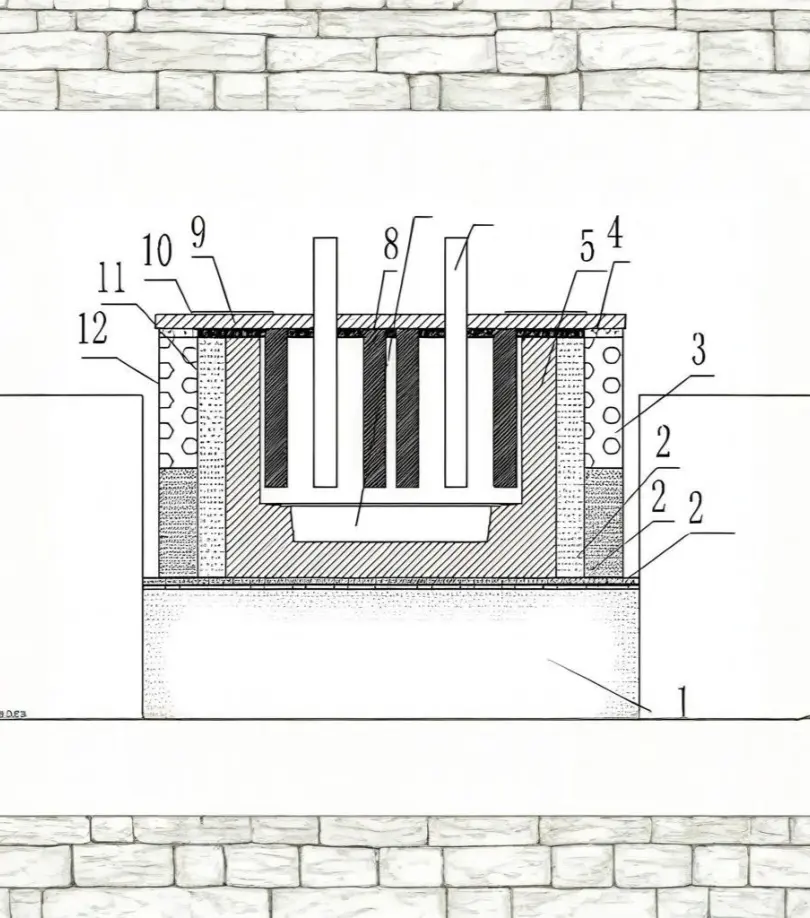
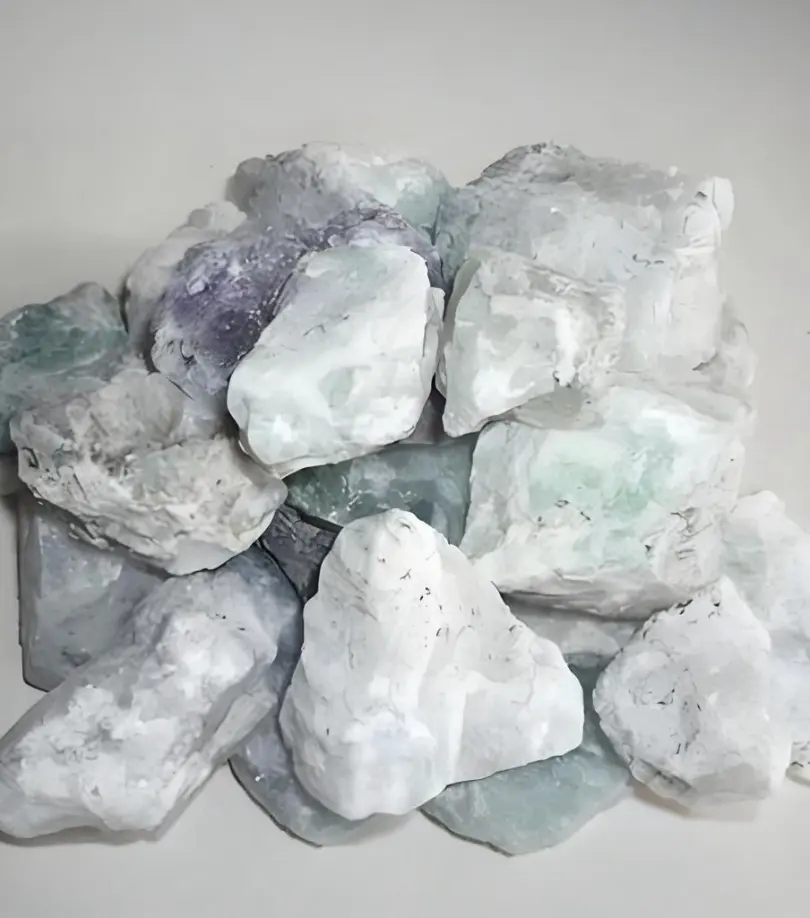
Research progress of rare earth molten salt electrolytes
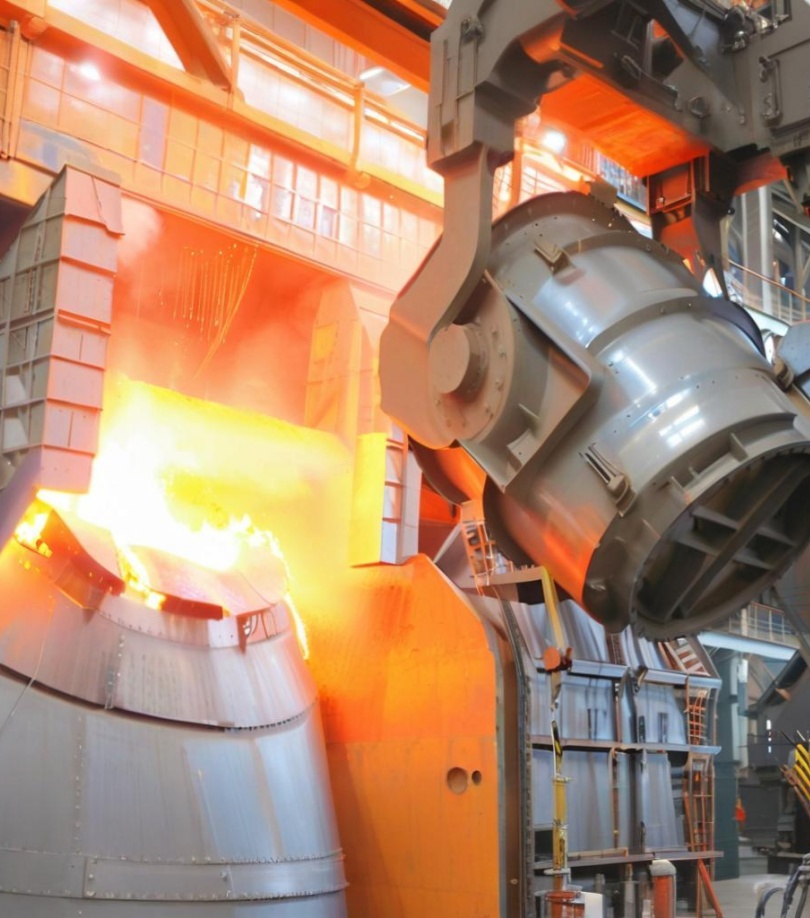
Molten salt electrolysis is the main method for large-scale preparation of Rare Earth metals and their alloys, and it has the lowest cost, highest efficiency, and mature industrial application. Molten salt electrolyte is the main carrier in the electrolysis process, and the physical and chemical properties of the electrolyte are important factors affecting the quality of rare earth metals and the stability of the electrolysis process.
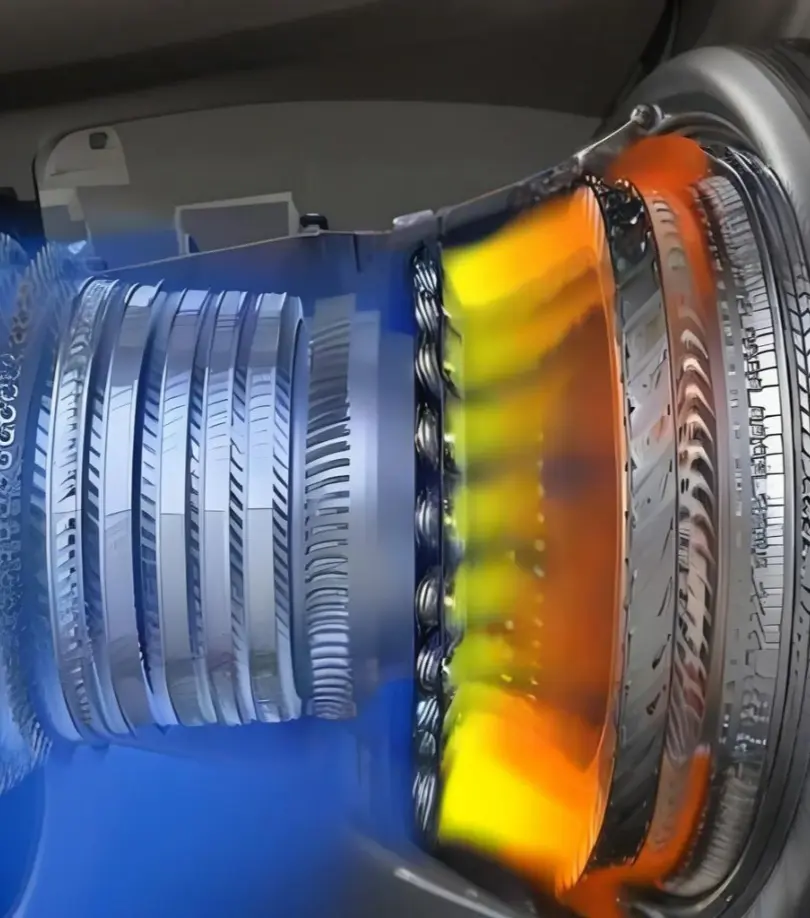
Research on rare earth oxide thermal barrier coatings
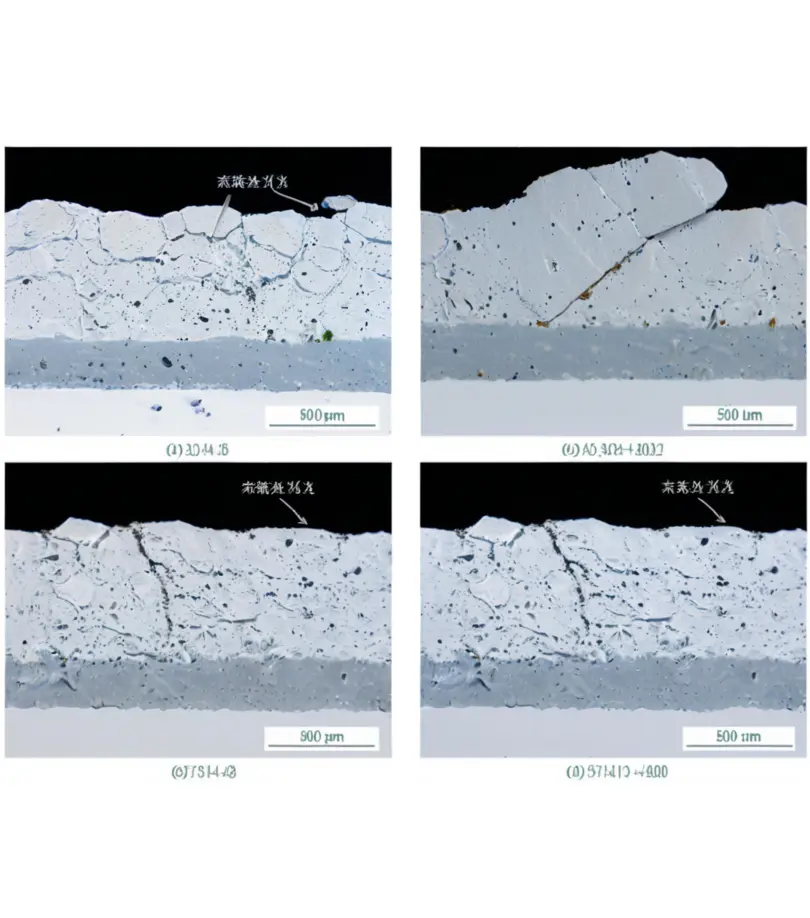
Gas turbines and aircraft engines are important power equipment. In order to improve output power and operating efficiency, gas turbines have been developing towards increasing turbine inlet temperature in recent years. At present, the turbine inlet temperature of ground-based gas turbines is above 1400℃, and the gas temperature of advanced military gas turbines is even 1500-1800℃. Such high temperatures make the operating environment of the hot end components of the gas turbine very harsh, and they need to withstand high-temperature oxidation, corrosion, airflow scouring, high-temperature creep and thermomechanical fatigue.
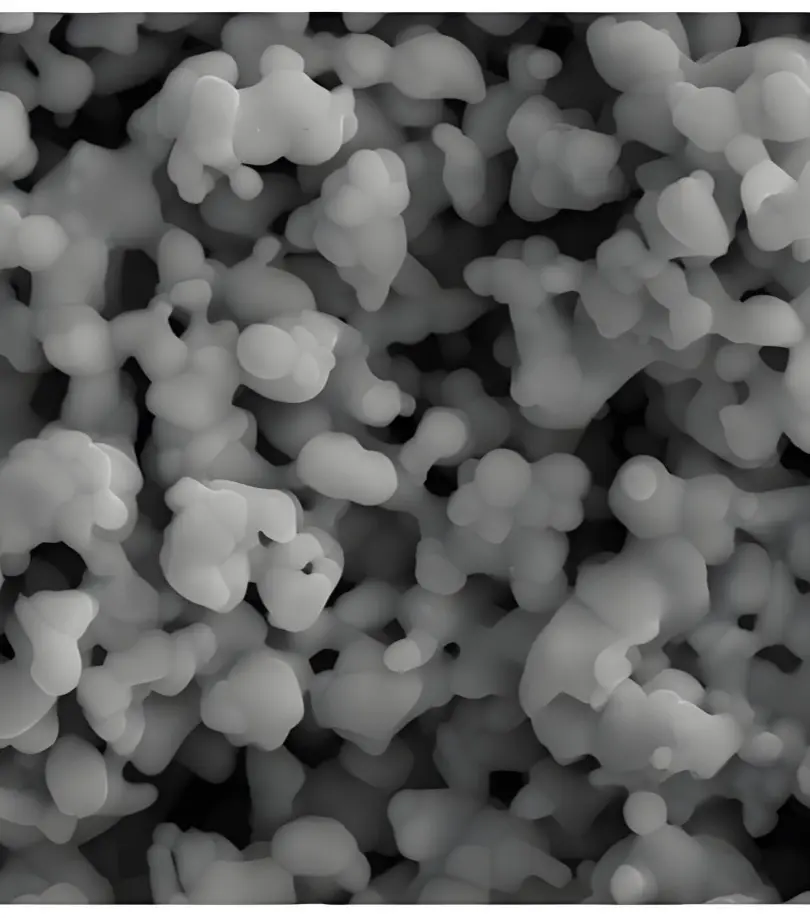
A brief discussion on the preparation process of yttrium nitride powder
Rare earth nitrides have a very high melting point (for example, the melting point of yttrium nitride reaches 2570℃) and are very stable at high temperatures. Yttrium nitride powder can be used in tantalum powder metallurgy to improve the processing properties of tantalum powder. It is also expected to be used in oxide and nitride high temperature ceramics.
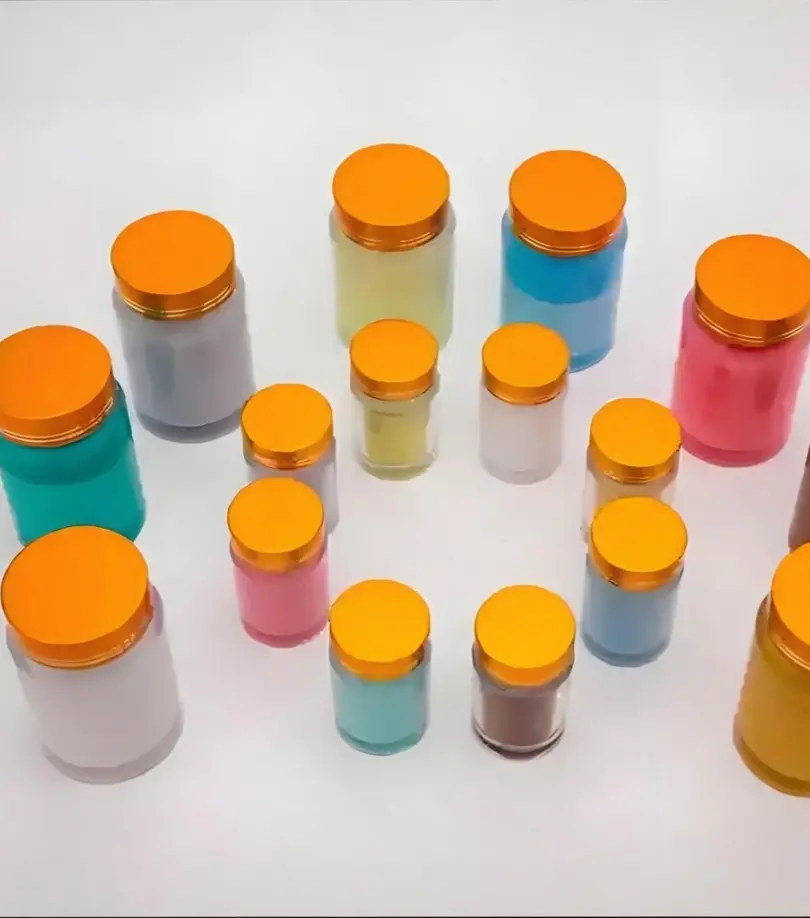
A Brief Discussion on New Non-toxic Color Rare Earth Pigments
Due to the restrictions imposed by health and environmental regulations on the use of traditional heavy metal color pigments, Rhodia of France has successfully developed a new type of non-toxic color inorganic pigment based on rare earth element compounds. The company first launched a rare earth pigment based on cerium sulfide (Ce2S3), the product name is Neolor.
Since rare earth elements can successfully replace cadmium or lead, and play a key role in manufacturing pigments with excellent properties such as high hiding power, heat resistance, light resistance and prevention of warping of plastic products, and because they are non-toxic, rare earth pigments have been welcomed by users of plastics, coatings, ceramics, etc. as soon as they came out.
Application of rare earth sulfides in natural rubber
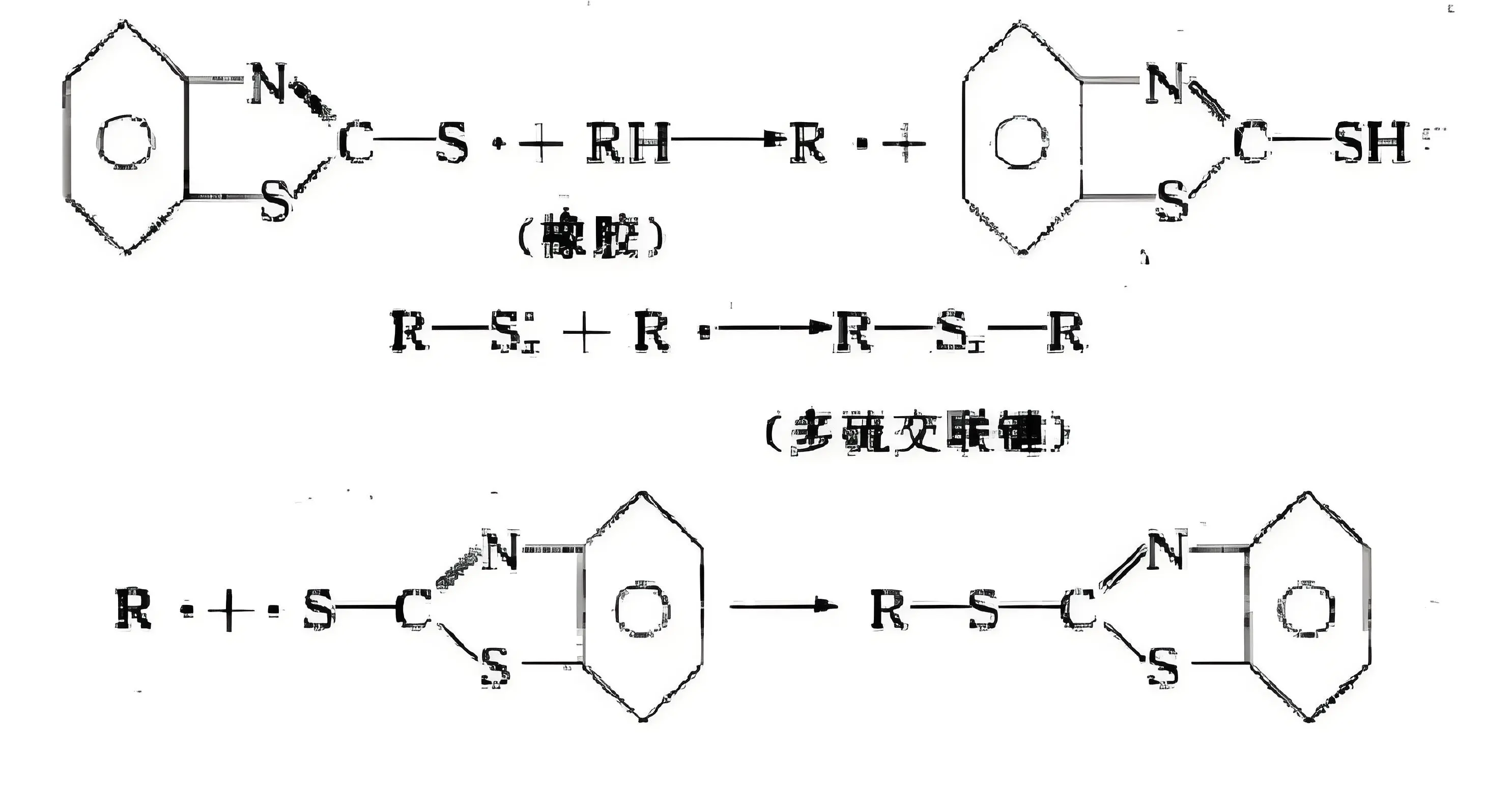
Natural rubber (NR) has a complex composition. In addition to the main component cis-1,4-polyisoprene, it also contains a small amount of non-rubber substances such as protein, fatty acids and ash. NR has excellent properties, not only good elasticity and crack growth resistance, but also low heat generation and hysteresis. Therefore, NR is widely used in many fields such as tires, hoses, sports equipment, and aircraft and automobile parts due to its excellent comprehensive performance, and plays an indispensable and important role in the national economy and national defense construction.
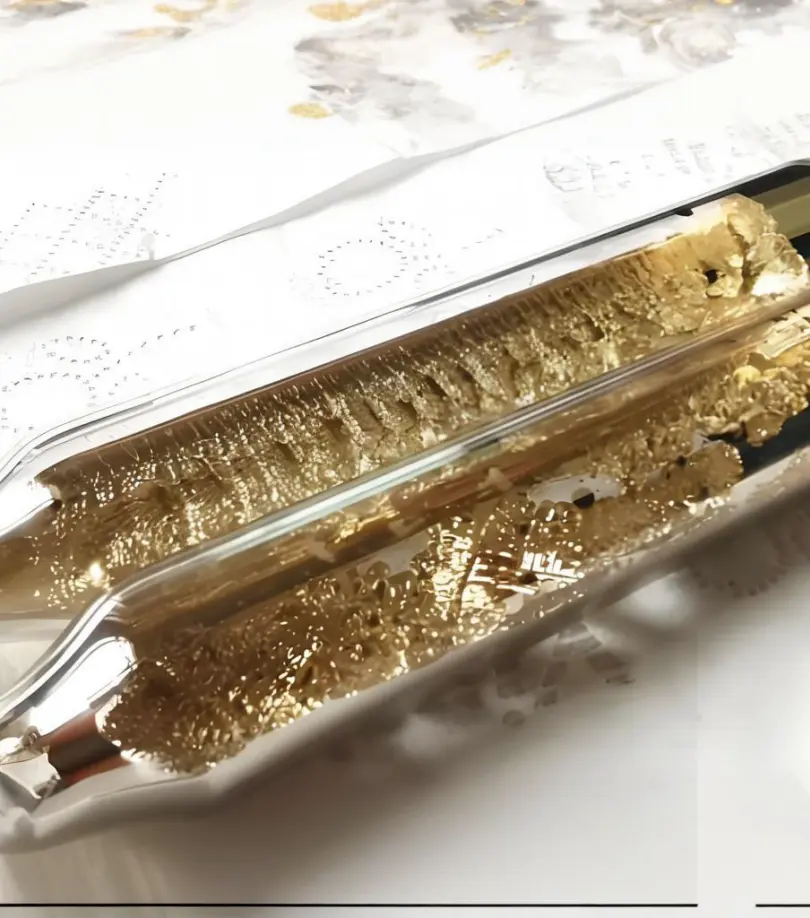
A brief discussion on the preparation and application of high-purity europium oxide and metal europium
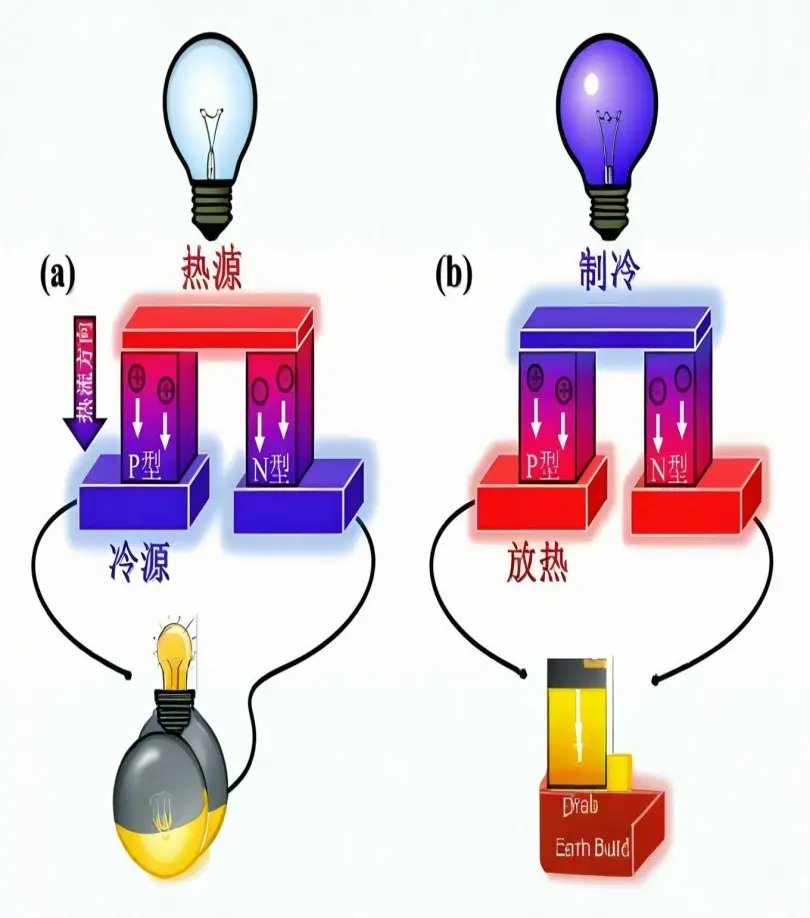
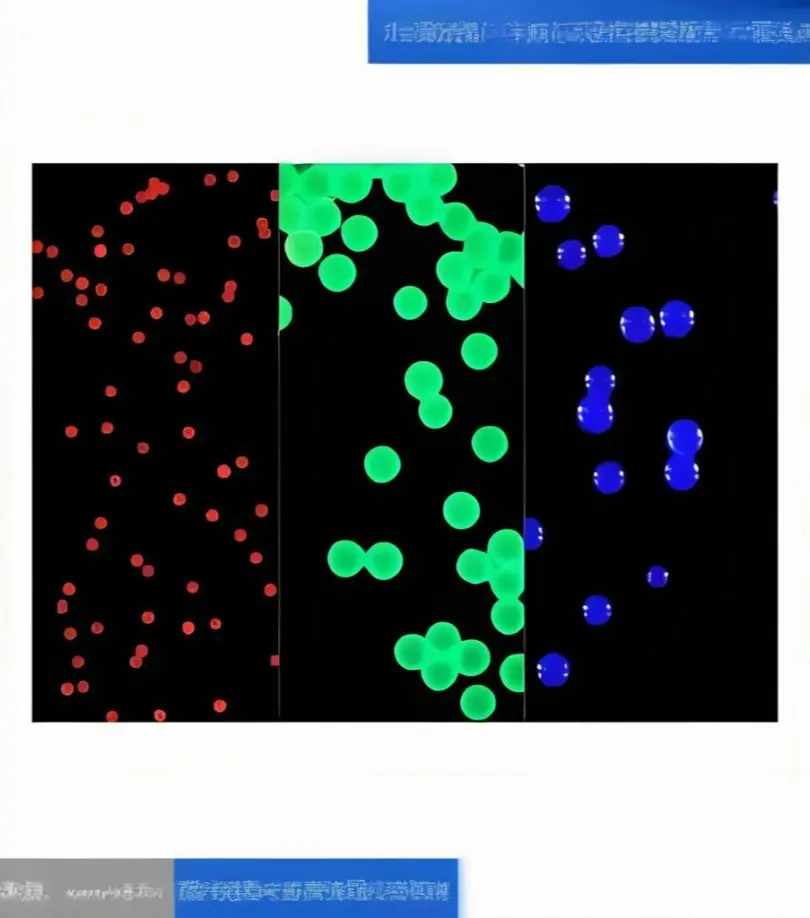
The main uses of Europium Oxide are as an activator for red phosphors in color TV sets, phosphors for high-pressure mercury lamps, stimulated emission phosphors for new X-ray medical diagnostic systems, etc. The rise of white light LEDs has driven the development of phosphors in systems such as nitrides and sulfides. Europium doping is one of the key factors in improving conversion efficiency and service life. High-purity metallic europium is the basic raw material. Europium hydride undergoes valence and structural changes under high hydrogen pressure, and europium hydride coatings have semiconductor properties and can be used to prepare metal semiconductors. Europium can replace barium in the new thermoelectric material Ba8Cu6Si40 to improve alloy performance.
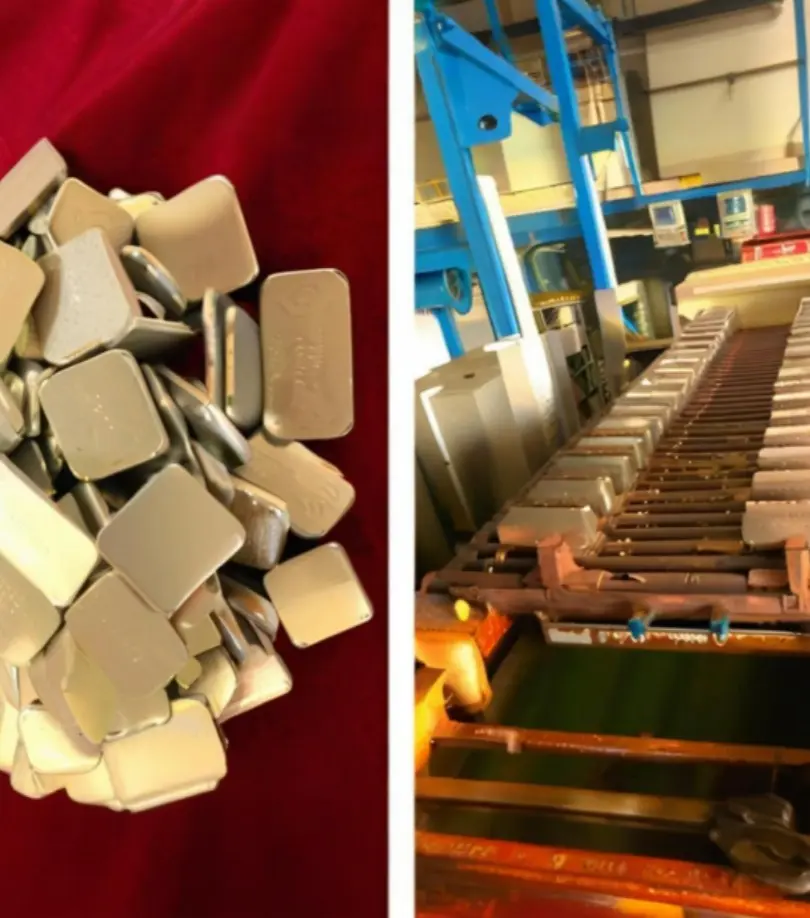
Application of vacuum metallurgy in the preparation and purification of rare earth metals
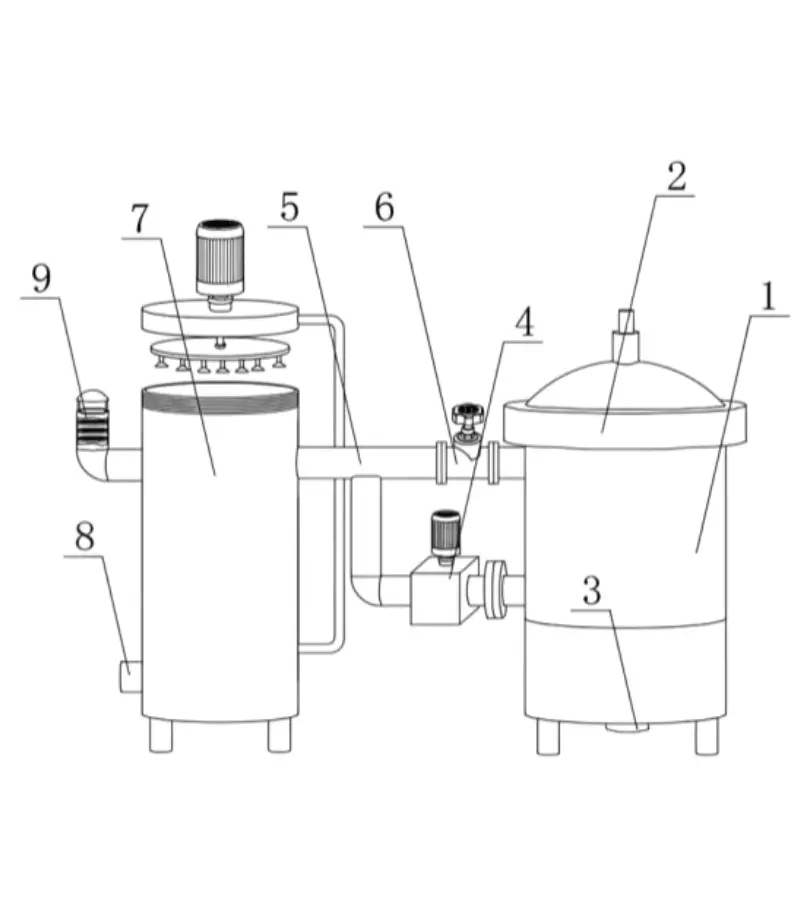
High-purity rare earth metals are key raw materials for the research and development of high-tech materials and the basis for obtaining high-performance materials. A small amount or even a very small amount of impurities will have a significant impact on their physical and chemical properties. The purity of rare earth metals is a key factor affecting the performance of functional and structural materials. For example, high oxygen concentration in rare earth metals will weaken the intrinsic coercivity of permanent magnetic materials; magnetostrictive materials will almost lose their magnetostrictive function when the mass fraction of oxygen exceeds 1×10⁻³; low rare earth purity will lead to unstable performance of rare earth steel.

Effect of adding yttria on the properties of magnesia refractory
Magnesium carbon refractory is a high-quality high-temperature refractory material with excellent refractory and mechanical properties, as well as good corrosion resistance, thermal shock resistance and thermal conductivity. Its preparation process is simple, so it is widely used as lining material for electric furnaces, converters and refining furnaces. It is also used in high-temperature reactors, heating furnaces, pipelines and other mechanical equipment in the petroleum, chemical and other industries.
Research progress of yttria-based transparent ceramics
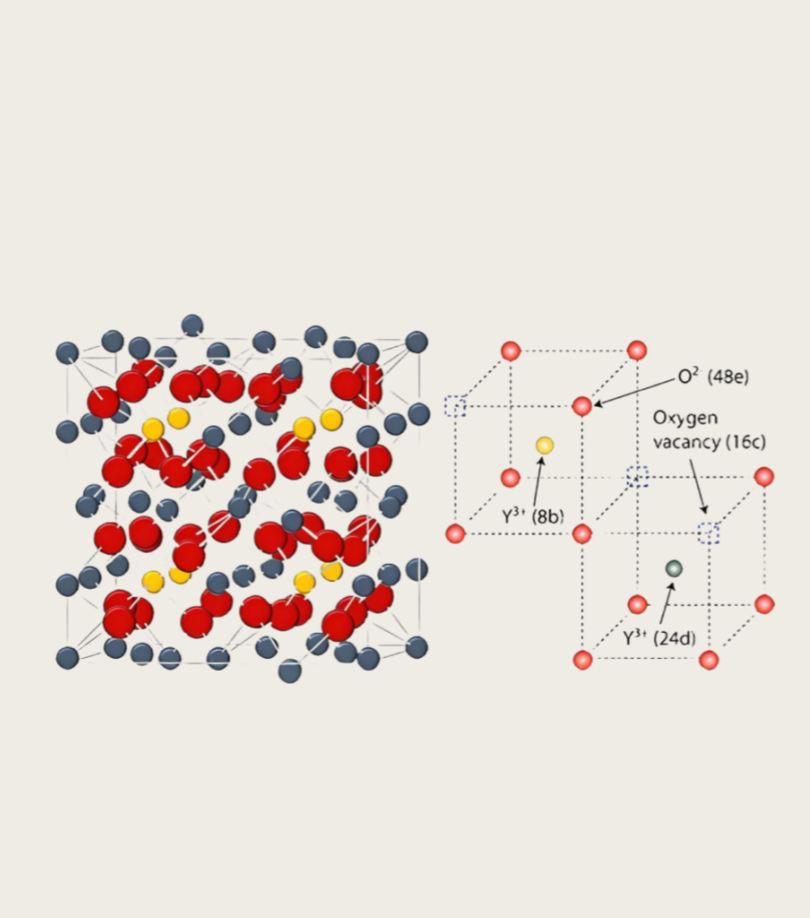
The main characteristics of yttrium oxide (Y2O3) transparent ceramics are: ① The crystal structure is cubic, and there is no birefringence inside the crystal, which can be used as a matrix material for preparing transparent ceramics; ② It has a high melting point, indicating that its physical and chemical properties are stable; ③ High thermal conductivity is conducive to the heat dissipation of the material and reduces the impact of thermal effects on the material; ④ Low phonon energy is conducive to reducing the thermal load of the material and the probability of non-spontaneous radiation transition; ⑤ The wide band gap can be doped with most rare earth ions to achieve applications in different directions. Due to the above characteristics of Y2O3, Y2O3-based transparent ceramics have the potential to be used in infrared windows, laser materials, scintillators, etc.
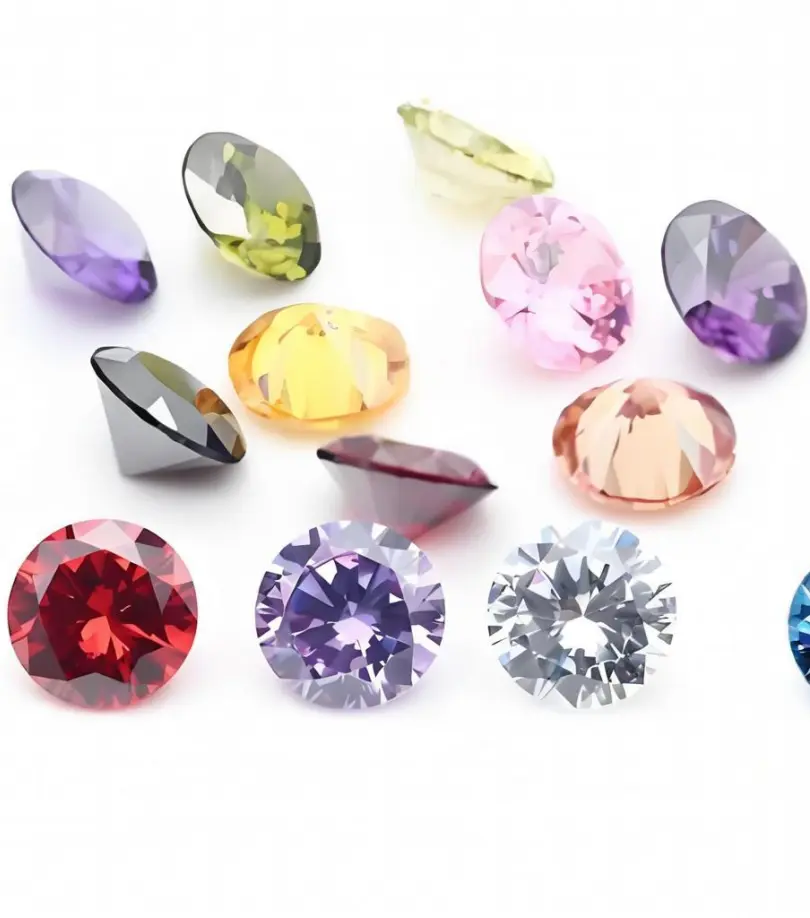
Research on the Industrial Development of Cubic Zirconia Gemstones
Cubic zirconia has not been found in nature so far. It is a natural zirconia (monoclinic phase) that undergoes phase change under certain conditions, and changes from tetragonal phase to cubic phase to a high-level structure cubic phase with the most densely packed atoms. With the phase change, its performance also changes from low-level to high-level. Cubic zirconia has properties such as high refractive index, large dispersion, high hardness, and good chemical stability. Its comprehensive effect is very similar to that of diamond, so cubic zirconia is marketed as a substitute for diamond - imitation diamond.