China Top 10 Rare Earth Metals for Global Buyers?
Rare Earth Metals play a crucial role in modern technology and industry. China stands at the forefront of global production. Understanding the top 10 rare earth metals from China is vital for global buyers. These metals are key in electronics, renewable energy, and automotive sectors.
In the rapidly evolving market, sourcing rare earth metals can be challenging. Buyers must navigate complex supply chains and geopolitical dynamics. Each metal has unique properties and applications, making it essential to identify the right ones. Knowledge of these materials can influence production efficiency and technological advancement.
However, the landscape is not without its challenges. Buyers face issues like price volatility and environmental concerns. Awareness of these factors is critical when considering investment in rare earth metals. Engaging with reputable suppliers is highly advised to ensure the integrity of transactions.
China's Dominance in the Global Rare Earth Metals Market
China's influence in the global rare earth metals market is significant. This country holds around 60% of the world's rare earth reserves. Such control allows China to dictate pricing and supply dynamics, impacting industries worldwide. Key metals include neodymium and dysprosium, vital for manufacturing magnets and batteries. These materials drive advances in technology, including electric vehicles and renewable energy sources.
Despite its dominance, challenges exist. Over-reliance on China raises concerns about supply chain stability. Other nations seek alternatives to reduce dependency. The U.S. and Australia are ramping up their own rare earth production. However, building a competitive edge takes time and investment. China's refining capabilities remain unmatched, making it tough for others to catch up.
Buyers must navigate these complexities. Understanding the market landscape is crucial for making informed decisions. Industry experts recommend diversifying sources to mitigate risks. Collaboration in technology development can also foster innovation. Companies should remain vigilant and adaptable to changing market conditions.
Key Rare Earth Metals: Definition and Importance in Industry
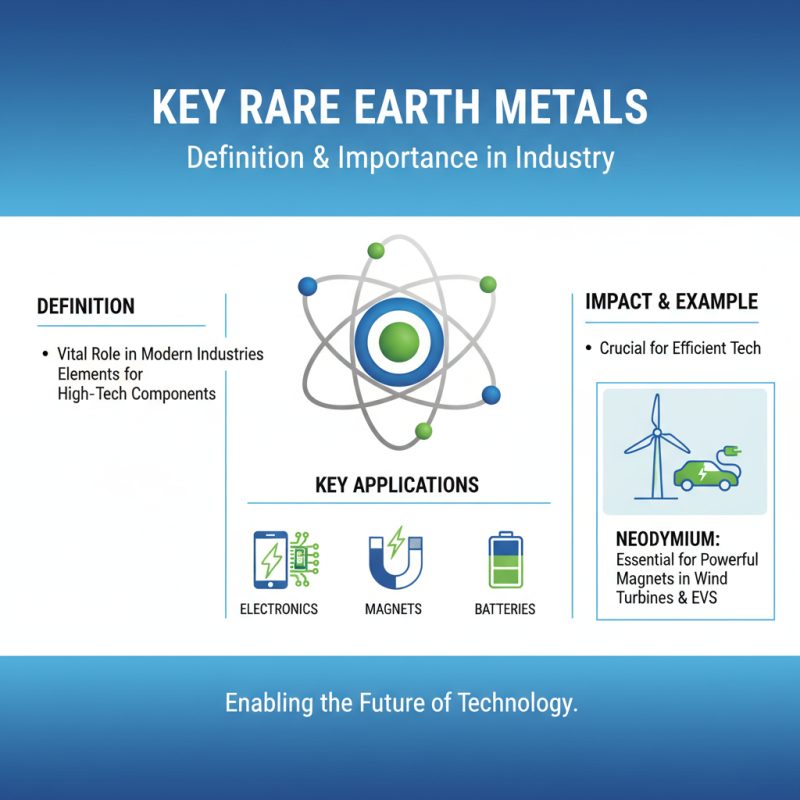
Rare earth metals play a vital role in modern industries. These elements are key in manufacturing electronics, magnets, and batteries. Without them, many technologies would not function efficiently. For instance, neodymium is crucial for making powerful magnets used in wind turbines and electric vehicles.
According to the U.S. Geological Survey, global demand for rare earth elements is projected to grow significantly. In 2022, the demand for these metals reached 170,000 metric tons. This figure is expected to rise as the world shifts toward renewable energy and advanced technologies. China remains the largest producer, controlling over 60% of the supply.
The reliance on rare earth elements raises concerns. Supply chain vulnerabilities can lead to disruptions. Geopolitical tensions may further complicate access. Industry experts often emphasize the need for diversification. Countries are exploring recycling and alternative sources. However, achieving these targets presents its own challenges. Overall, the importance of rare earth metals is undeniable. Their availability directly impacts technological advancement and economic stability.
Top 10 Rare Earth Metals Produced in China and Their Applications
China dominates the global rare earth metals market, supplying around 60% of the world’s total. The following ten rare earth elements are significant in various industries. Neodymium, for example, is essential for powerful magnets used in electric vehicles and wind turbines. It plays a crucial role in the green energy transition.
Lanthanum finds applications in catalysts and batteries. It is indispensable in improving fuel efficiency in gasoline engines. Cerium is another notable element, often used in glass and polishing compounds. Reports indicate that the demand for cerium is expected to rise as the electronics industry grows.
Dysprosium is noteworthy for its role in high-performance magnets in electronics. However, some industry experts caution that excessive reliance on specific rare earths may pose risks. There are challenges in mining and refining activities, which can lead to environmental concerns. The future of rare earth metals in China holds promise, but sustainable practices must be at the forefront.
China Top 10 Rare Earth Metals and Their Applications
This chart illustrates the production volume of the top 10 rare earth metals in China, showcasing their importance in various applications such as electronics, renewable energy, and advanced manufacturing.
Market Trends: China's Rare Earth Exports and Global Demand 2023
China remains a dominant force in the rare earth metals market. In 2023, the global demand for these essential materials is climbing rapidly. According to a report from the International Energy Agency, the demand for rare earth elements could increase by 25% in the next five years. This surge is driven primarily by the green tech industry, automotive sectors, and electronics.
China’s exports of rare earth metals have seen fluctuations recently. In the first half of 2023, exports dropped by 10% compared to the previous year. Analysts attribute this decline to stricter regulations and a focus on domestic production. The country produced 140,000 tons of rare earths in 2023, according to the China Geological Survey.
Despite the challenges, buyers worldwide are increasingly reliant on China. Many countries lack the infrastructure to develop their own rare earth supplies. As a result, experts warn about potential supply chain vulnerabilities. The growing tensions in global trade could further complicate this situation. These dynamics highlight the need for strategic planning and diversification in sourcing rare earth metals.
Analysis of Pricing Trends for China's Rare Earth Metals in 2023
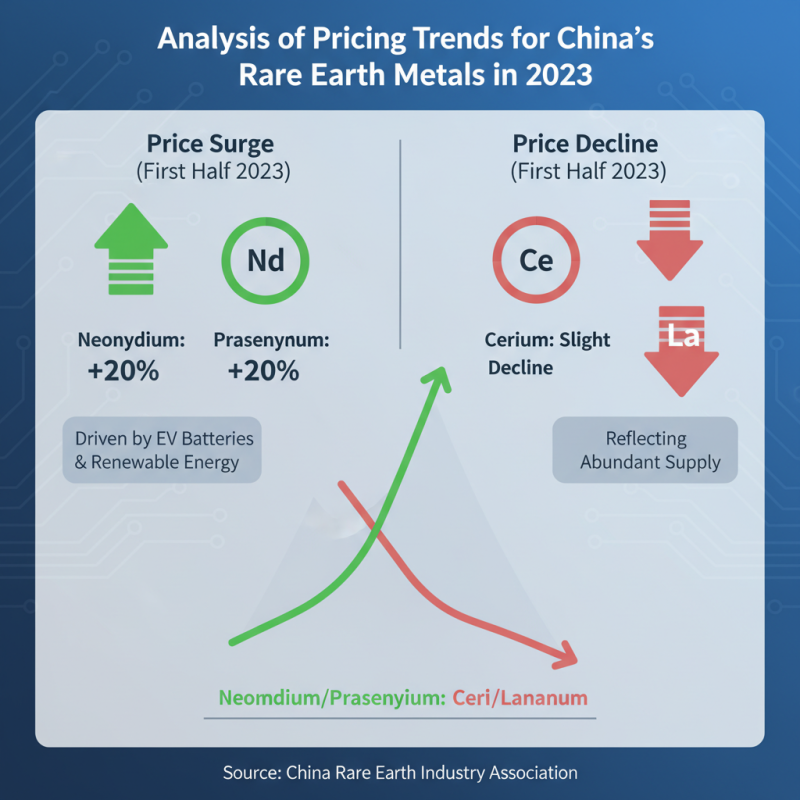
In 2023, the pricing trends for China's rare earth metals have shown significant volatility. According to the China Rare Earth Industry Association, the prices of neodymium and praseodymium surged by around 20% in the first half of the year. This increase reflects the rising global demand for electric vehicle batteries and renewable energy technologies. In contrast, some other rare earth elements like cerium and lanthanum experienced a slight decline in prices, reflecting their abundant supply.
Experts note that geopolitical tensions can impact pricing. Trade policies and export restrictions play crucial roles in shaping the market landscape. A recent report indicated that analysts expect further fluctuations throughout the year as countries seek to secure their supply chains. Investors should keep a close watch on these developments.
Tips: Always analyze multiple data sources before making purchasing decisions. Be aware of market sentiment, as it can shift quickly. Diversifying your supply sources may mitigate risks associated with price volatility.