
In today's rapidly evolving industrial landscape, the strategic sourcing of materials is crucial. Rare Earth Alloys have emerged as vital components in various high-tech applications. These unique materials enhance performance and efficiency across numerous sectors.
Despite their advantages, sourcing Rare Earth Alloys presents challenges. The supply chain can be complex and often volatile. This complexity necessitates a thorough understanding of each alloy's properties and their applications. Companies must engage with reliable suppliers to ensure quality and consistency.
A comprehensive evaluation of the top 10 Rare Earth Alloys offers insights into their potential and risks. These materials are not only valuable but also subject to fluctuating market conditions. A well-informed sourcing strategy can mitigate risks and leverage opportunities in this niche market.
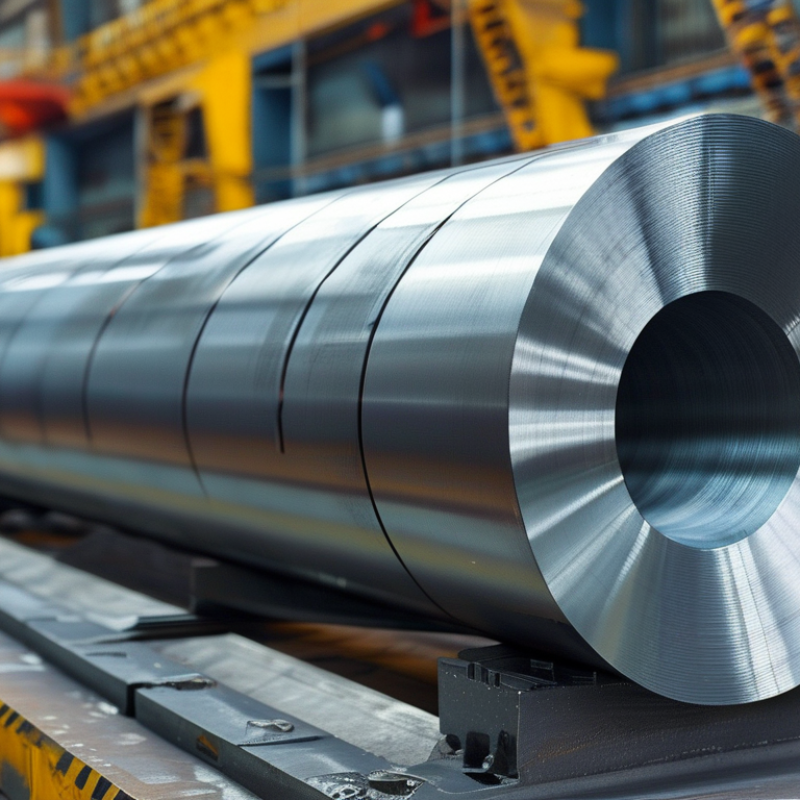
Rare earth alloys play a crucial role in advancing modern technology. Industry reports highlight their significant use in sectors like renewable energy, automotive, and defense. The global demand for these alloys is projected to grow by 7% annually, driven by the need for lightweight materials and enhanced performance.
Rare earth elements enhance various physical properties. For example, they improve the strength and stability of metals, which is vital for aerospace applications. In electric vehicle batteries, these alloys boost efficiency and energy density. Analysts note that companies without a strong sourcing strategy risk falling behind as competition intensifies. The rarity and complexity of sourcing these materials create challenges for manufacturers.
Sourcing rare earth alloys requires careful planning and deep market knowledge. Experts recommend diversifying suppliers to avoid supply chain disruptions. The geopolitical landscape complicates access to these materials. As more countries seek to dominate production, it’s essential for companies to reassess their global sourcing strategies. Not every approach will yield the best outcomes. Continuous evaluation of market trends and supplier reliability is vital.

Rare earth alloys are crucial materials in various industries. They are crafted from a combination of rare earth elements. Their unique properties drive innovation and efficiency in manufacturing. Companies seeking to source these materials must understand their key characteristics.
One significant property is magnetism. Rare earth alloys have exceptional magnetic strength, which is vital for high-performance motors. Durability is another essential factor. These alloys withstand extreme conditions, providing longevity in applications. Thermal stability also plays a role. It ensures that components maintain their performance at elevated temperatures.
Sourcing these materials requires careful consideration of availability. Mining and processing can present challenges, affecting global supply chains. There is a constant fluctuation in market demand. Companies must stay informed about these trends. This approach helps them make strategic decisions. Each alloy serves its unique purpose, and understanding these details enhances sourcing strategies. Investing time in research can yield significant long-term benefits.
Rare earth alloys are vital in many modern applications. These materials combine unique properties of rare earth elements with other metals. They find use in electronics, renewable energy, and aerospace industries. A thorough understanding of these alloys can enhance your global sourcing strategy.
For example, neodymium-iron-boron alloys are crucial in producing powerful magnets. These magnets are used in electric motors and hard drives. Another option is lanthanum-cerium, which improves the performance of batteries. Such alloys help increase the efficiency of energy storage systems.
However, sourcing these materials can be challenging. The supply chain is often complex and may face disruptions. Additionally, not all suppliers may adhere to sustainable practices. It’s essential to evaluate potential partners carefully. Consider their production methods and the environmental impact. This reflection can help ensure the long-term viability of your sourcing strategy.
The demand for rare earth alloys continues to rise due to various market trends. Innovations in technology drive the need for advanced materials. Industries like electronics, automotive, and defense require these alloys for their unique properties. As electric vehicles gain popularity, the demand for lightweight, high-strength materials increases. Rare earth alloys, known for their durability and thermal resistance, play a crucial role in this shift.
Sustainability concerns are also influencing the market. Companies aim to reduce their carbon footprint. Rare earth alloys offer the potential for longer-lasting products, which can minimize waste. However, sourcing these materials presents challenges. Supply chain disruptions and geopolitical tensions can impact availability. Many businesses must adapt their strategies accordingly to navigate these complexities.
Additionally, there is a growing emphasis on recycling. The recovery of rare earth alloys from end-of-life products is becoming more common. It helps address supply issues while supporting environmental goals. Despite these trends, the industry faces hurdles. Increased demand can lead to rushed extraction processes, raising sustainability questions. The need for responsible sourcing will continue to shape the market for rare earth alloys.
Sourcing rare earth alloys requires careful planning. These materials play a vital role in various industries, from electronics to renewable energy. Companies often face challenges in obtaining consistent quality and supply. Understanding regional availability is crucial, as some areas have rich deposits while others do not.
While sourcing, evaluate supplier reliability. Not every supplier can ensure the same quality or adherence to standards. Price fluctuations can also impact your costs. Having a backup plan is wise, as market dynamics can shift. Balancing cost and quality will boost your sourcing strategy.
Consider partnerships with local suppliers. They may provide insights and immediate support. Building relationships can also help in monitoring trends. Be open to discussions about terms and conditions. This flexibility can lead to better deals in the long run. However, be cautious of potential trade-offs. Regular assessments will keep your strategy aligned with changing market conditions, ensuring a resilient supply chain.
| Alloy Name | Composition | Primary Applications | Properties | Global Production Source |
|---|---|---|---|---|
| Neodymium-Iron-Boron (NdFeB) | Nd, Fe, B | Permanent magnets, motors | High magnetic strength, corrosion resistance | China, USA |
| Samarium-Cobalt (SmCo) | Sm, Co | High-temperature magnets | Excellent thermal stability, corrosion resistance | China, Japan |
| Lanthanum-Nickel (LaNi5) | La, Ni | Hydrogen storage | Hydrogen absorption, low cycle degradation | China, USA |
| Cerium Alloys | Ce, various metals | Catalysts, glass manufacturing | Improved catalytic activity, oxidation resistance | China, Australia |
| Praseodymium Alloys | Pr, various metals | Magnets, lasers | High strength, thermal stability | China, USA |
| Dysprosium-Iron (DyFe) | Dy, Fe | Permanent magnets | Enhanced thermal performance | China, Australia |
| Yttrium-Aluminum (YAG) | Y, Al, O | Lasers, phosphors | High durability, efficiency in luminescence | China, Russia |
| Terbium Alloys | Tb, various metals | Phosphors, lasers | High brightness, thermal stability | China, USA |
| Gadolinium Alloys | Gd, various metals | Magnetic refrigeration, MRI contrast agents | Superparamagnetic properties, low toxicity | China, Australia |
| Lutetium Alloys | Lu, various metals | Catalysts, electronic applications | High melting point, effective catalyst support | China, Russia |