2026 Best Rare Earth Materials for Global Buyers?
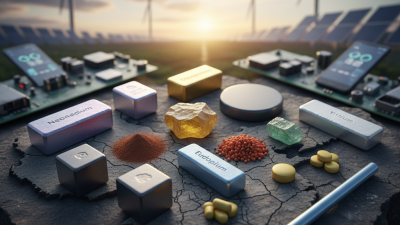
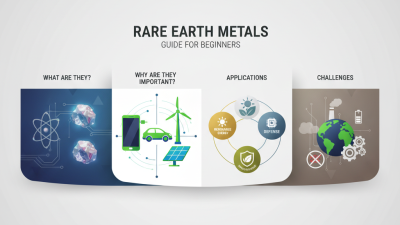
In the ever-evolving global market, the importance of Rare Earth Materials cannot be overstated. These unique resources serve as the backbone of various high-tech industries. With growing demand in electronics, renewable energy, and defense, the spotlight is on these critical materials. However, the rarity of these resources poses challenges for suppliers and buyers alike.
Understanding the landscape of Rare Earth Materials requires expertise and insight. Many buyers are not aware of the complexities involved in sourcing these materials. Ethical sourcing and sustainability should be a priority for all global buyers. The environmental impact of extraction processes often brings about significant concerns that need addressing.
As we look towards 2026, it is crucial to identify the best Rare Earth Materials available. This exploration must include an analysis of quality, pricing, and availability. Despite the urgency of meeting demands, careful consideration is vital. Buyers must reflect on the long-term implications of their choices. Making informed decisions in this arena is essential for the health of the global market.
Emerging Trends in Rare Earth Material Demand for 2026
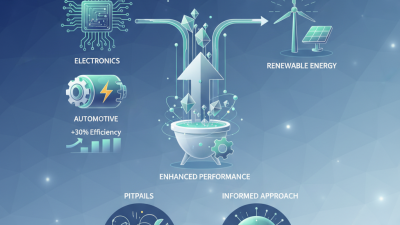
The demand for rare earth materials is evolving significantly as we approach 2026. Green technologies, particularly in electric vehicles (EVs) and renewable energy, are driving this surge. Manufacturers need these materials for batteries, magnets, and various components. The market is seeing a shift toward sustainable sourcing methods to lessen environmental impact.
Investors should keep an eye on emerging trends. For instance, recycling rare earth materials is gaining traction. This approach not only mitigates environmental concerns but also reduces reliance on mining. Experts suggest studying local market dynamics before making significant investments. Understanding regional supply chains is crucial in this rapidly changing landscape.
Tips: Monitor scientific advancements that improve material efficiency. Smaller players are increasingly entering the market. This diversification can disrupt traditional supply chains. Always verify claims concerning material sources and processing methods. Transparency is vital in this industry.
Key Producers and Supply Chains of Rare Earth Materials in 2026
The global landscape of rare earth materials is evolving rapidly. Key producers are diversifying their supply chains to ensure stability. China remains a dominant player but faces increasing competition. Countries like Australia and the USA are investing in new mining operations. This increased activity aims to reduce dependency on a single source.
Supply chain vulnerabilities have been exposed recently. Political tensions and trade disputes affect the availability of these materials. As industries demand more rare earth elements, securing these resources becomes crucial. Countries are now focusing on recycling and alternative sources. Innovations in extraction methods are also gaining attention.
The market is not without challenges. Environmental concerns are a significant issue in mining rare earth materials. The balance between production and sustainability must be addressed. Buyers are urged to consider ethical sourcing. Transparency in supply chains is becoming a selling point for many companies.
2026 Best Rare Earth Materials Supply and Demand
Technological Innovations Driving the Rare Earth Sector Forward
The rare earth materials sector is evolving rapidly, spurred by technological innovations. Demand for these critical materials is growing, driven by advancements in electronics, renewable energy, and electric vehicles. According to a recent report from the International Energy Agency (IEA), the production of electric vehicles alone could require more than 204,000 tons of rare earth elements by 2030. This demand pushes the industry to innovate continually.
New extraction methods, such as bioleaching, are emerging. These methods promise to reduce environmental impact and lower production costs. A study by the U.S. Geological Survey highlighted that these innovative techniques could decrease energy consumption by up to 30%. Furthermore, recycling efforts in rare earth materials are gaining momentum, with some companies aiming to recover over 95% of rare elements from spent electronics.
Tip: Stay informed about the latest industry studies. Understanding trends can help identify potential investment opportunities.
Technological developments are helping to make rare earth extraction more sustainable. However, challenges remain. For instance, reliance on limited geographic locations poses risks. The industry must address these vulnerabilities to secure its future. Having a reliable supply chain is crucial for long-term success.
Market Forecasts: Pricing and Availability of Rare Earth Materials
The rare earth materials market is facing significant fluctuations as we approach 2026. Analysts project varying prices influenced by geopolitical tensions and supply chain disruptions. According to a report from the International Energy Agency, demand for rare earth elements is expected to double by 2030. This trend is driven by the growing need for electric vehicle batteries and renewable energy technologies.
Availability remains a pressing concern. China currently dominates production, accounting for approximately 60% of global supply. However, recent regulatory changes and export restrictions have raised questions about future stability. The U.S. Geological Survey suggests that diversifying sources will be crucial. Countries like Australia and Canada are ramping up production efforts, but they face challenges in scaling up quickly.
A clear gap exists in the supply chain. Research indicates that although recycling of rare earth materials is possible, it remains underdeveloped. Meanwhile, increasing consumption by technology firms further complicates the situation. Understanding these dynamics is essential for industry stakeholders. The rarity and geopolitical implications of these materials warrant close monitoring as we advance toward 2026.
Environmental Impact and Sustainability in Rare Earth Mining Practices
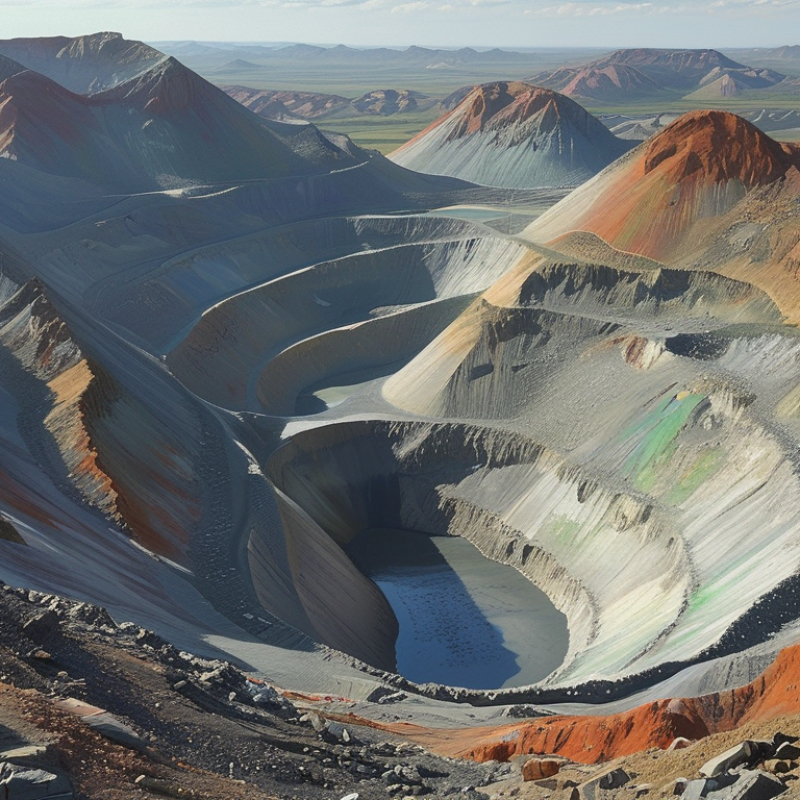
The environmental impact of rare earth mining is significant. Extraction techniques often lead to soil degradation and water contamination. Heavy metals released during the process can poison local ecosystems. This scenario raises serious questions about sustainability.
Sustainable practices are emerging. Some companies are exploring recycling methods for rare earth materials. Using electronic waste as a resource could reduce reliance on mining. However, the effectiveness of these initiatives is still under scrutiny. Regulatory frameworks often lag behind technological advancements.
The need for transparency in mining operations is crucial. Communities should be informed about potential hazards. This openness could foster trust, but many firms are reluctant. Balancing economic growth with environmental stewardship remains a complex challenge. The future of rare earth mining hinges on finding solutions that benefit both people and the planet.
2026 Best Rare Earth Materials for Global Buyers - Environmental Impact and Sustainability in Rare Earth Mining Practices
| Material |
Primary Use |
Environmental Impact |
Sustainability Practices |
Recycling Potential |
| Neodymium |
Permanent Magnets |
High energy consumption during extraction |
Using low-impact extraction methods |
High, with established recycling technologies |
| Lanthanum |
Catalytic Converters |
Potential soil and water contamination |
Reclamation efforts and waste management |
Moderate, with ongoing research |
| Dysprosium |
High-performance Magnets |
Significant carbon footprint |
Corporate sustainability initiatives |
Emerging, recycling infrastructure developing |
| Yttrium |
LEDs and Phosphors |
Toxic byproducts in refining |
Green chemistry approaches |
High, with established recovery methods |
| Samarium |
Magnetic Applications |
Environmental degradation risks |
Environmental monitoring in place |
Low, limited current technologies |