2026 Best Rare Earth Metals for Global Buyers to Consider?
Rare Earth Metals play a pivotal role in modern technology and industry. As global demand increases, understanding these metals becomes essential for buyers. According to recent market analyses, the global rare earth elements market is projected to reach over $10 billion by 2026. This growth signals the importance of strategic sourcing for manufacturers.
Key applications include electronics, renewable energy, and automotive sectors. For instance, neodymium is vital in producing powerful magnets used in electric vehicles. Despite their significance, sourcing these metals presents challenges. Supply chain issues and geopolitical tensions can affect availability and pricing.
Buyers must consider reliable sources and sustainable practices. Transparency in the supply chain is essential for ethical sourcing. Stakes are high, and choosing the right rare earth metals can determine market success. Attention to industry trends and data can guide informed decisions.

Overview of Rare Earth Metals and Their Importance in 2026
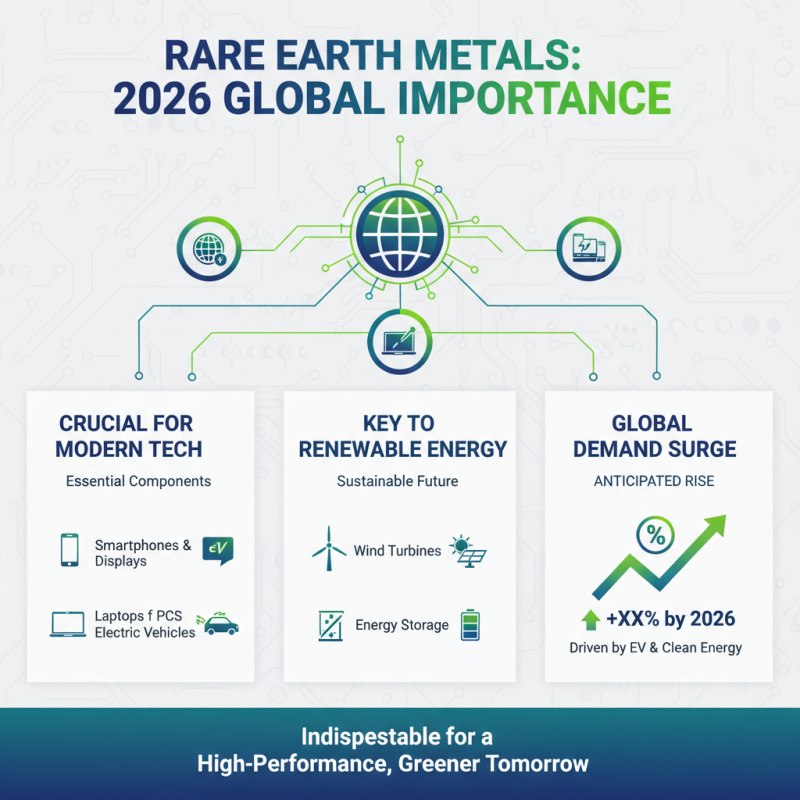
Rare earth metals play a crucial role in modern technology. These materials are essential for manufacturing a wide array of devices. From smartphones to renewable energy solutions, their importance cannot be overstated. In 2026, demand for these metals is anticipated to rise significantly. As industries evolve, the need for efficient, high-performance materials becomes apparent.
However, sourcing these metals can be challenging. Several factors complicate the supply chain. Environmental concerns and geopolitical tensions affect availability. Moreover, the extraction process can leave a considerable ecological footprint. Buyers must navigate these complexities while ensuring sustainable practices.
Investors should consider the long-term implications of rare earth metal sourcing. With increasing global reliance on technology, identifying reliable suppliers is imperative. This sector is dynamic and requires continuous monitoring. Awareness of trends and potential risks is vital for success in this market. Ultimately, understanding the broader implications of rare earth metals will be key for stakeholders.
Key Rare Earth Metals to Watch for Global Buyers in 2026
In the evolving landscape of global trade, rare earth metals play a critical role. Buyers must identify key metals in 2026.
Neodymium, used in high-performance magnets, is essential for renewable energy technologies. Also, dysprosium is vital for enhancing magnet strength. This ensures greater efficiency in electric vehicles and winter turbines.
Tips: Research the supply chain dynamics of these metals. Understand how geopolitical factors may influence availability. Monitor developments in recycling technologies, as they can affect market trends significantly.
Other notable metals include europium and terbium, which are crucial for energy-efficient lighting and display technologies. The demand for these metals continues to rise, reflecting the shift toward greener solutions. However, buyers should recognize the complexities of sourcing. Prices can be volatile, and ethical sourcing is increasingly important.
Tips: Establish relationships with trusted suppliers. Diversifying sources can mitigate risks. Be proactive about environmental impacts and sustainability practices in sourcing decisions.
Geopolitical Considerations Impacting Rare Earth Metal Supply Chains
Geopolitical tensions significantly influence the supply chains of rare earth metals. Countries like China dominate global production, controlling over 60% of the market. This heavy reliance raises concerns for international buyers. Trade wars and export restrictions can lead to supply shortages. Additionally, fluctuating tariffs can impact prices unpredictably.
As the demand for clean energy rises, the importance of rare earths grows. According to a recent market report by the International Energy Agency, the renewable energy sector will need a 50% increase in rare earth elements by 2030. This surge highlights the need for diversified supply chains. Countries are starting to invest in local mining projects to mitigate risks. Yet, these projects often face environmental scrutiny.
Tips: Diversifying suppliers can help mitigate risks. Establish partnerships with multiple sources to improve security. Regularly monitor geopolitical developments, as they can quickly alter market conditions. Staying informed allows buyers to make better decisions. Anticipating shifts in the market may also unlock new opportunities.
Emerging Technologies Driving Demand for Rare Earth Metals
Emerging technologies are reshaping the demand for rare earth metals. As industries strive for sustainability, their reliance on these materials is increasing. According to a 2023 report by the International Energy Agency, demand for rare earth elements in electric vehicle (EV) batteries is projected to grow by 25% annually. This trend highlights the significance of materials like neodymium and dysprosium, essential for producing powerful magnets used in EV motors.
In the realm of renewable energy, wind turbines are another major driver. A recent analysis found that each wind turbine requires approximately 2 tons of rare earth magnets. This surge in installation globally is projected to increase the demand for rare earth metals significantly. However, supply chains remain a concern, as geopolitical tensions can disrupt access to these critical materials. Sustainable sourcing methods are being explored, but challenges persist in balancing environmental impact with growing needs.
Advanced technologies, such as artificial intelligence and augmented reality, also necessitate rare earth elements. They are integral in manufacturing electronic devices and components. The demand in sectors such as consumer electronics could lead to fluctuating prices and market instability. As industries evolve, the importance of having a robust strategy for sourcing and recycling rare earth metals cannot be overstated. Addressing these needs thoughtfully is crucial for long-term sustainability and innovation.
Strategies for Global Buyers to Source Rare Earth Metals Effectively
Sourcing rare earth metals effectively requires a strategic approach. First, understanding the market dynamics is crucial. Buyers must explore various sources, from established suppliers to emerging mines. Engaging with local producers can enhance relationships and provide better pricing options. These connections often yield reliable insights into market trends and demand fluctuations.
Another strategy is diversifying supply chains. Relying on a single supplier can be risky. By collaborating with multiple vendors, buyers can mitigate risks associated with geopolitical tensions. This diversified approach can lead to more stable pricing. Flexibility in sourcing methods also allows companies to adapt to sudden market changes.
Lastly, investing in research is essential. Staying informed about new extraction technologies can improve efficiency. Buyers should also monitor global regulations affecting rare earth metals. This awareness can help avoid compliance issues and ensure smooth operations. Emphasizing these strategies is key to navigating the complex landscape of rare earth metal procurement.
2026 Best Rare Earth Metals for Global Buyers